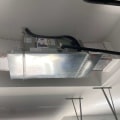
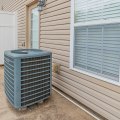
When it comes to understanding your air conditioning (AC) system, it’s essential to recognize the different types available and their respective components. This knowledge not only helps in maintaining your system but also plays a crucial role in deciding whether you should replace just the inside AC unit or the entire system. The two primary types of AC systems are split systems and packaged systems , each with its unique configuration and functionality.
Split systems
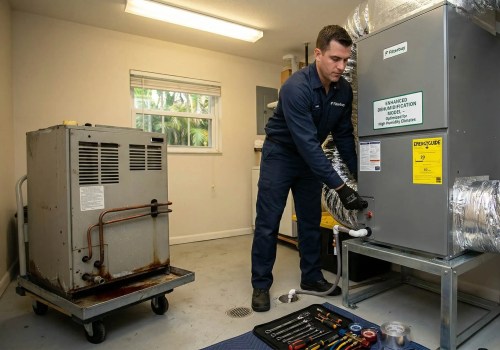
are the most common type of air conditioning system found in residential homes. They consist of two main components: an indoor unit, which houses the evaporator coil and blower, and an outdoor unit, which contains the compressor and condenser coil.
This separation allows for efficient cooling, as the indoor unit circulates cool air throughout the home while the outdoor unit expels heat. One of the significant advantages of split systems is that they allow for flexibility in replacement; if the indoor unit fails or becomes outdated, homeowners can often replace just that component without needing to replace the entire system.On the other hand, packaged systems combine all components into a single outdoor unit. This type is typically installed on rooftops or concrete slabs next to a building. Packaged systems are ideal for homes with limited indoor space or where a centralized system is preferred.
However, because all components are housed together, if one part fails—such as the compressor or evaporator coil—it usually necessitates replacing the entire system rather than just one component. Understanding these distinctions is vital for homeowners contemplating AC replacements, as it directly impacts both cost and efficiency.In addition to knowing the types of systems, it’s also important to familiarize yourself with key components such as the compressor, evaporator coil, condenser coil, and air handler. Each plays a specific role in cooling your home effectively. For instance, the compressor is responsible for circulating refrigerant through the system, while the evaporator coil absorbs heat from indoor air.
By grasping how these components work together within your AC system, you can make more informed decisions regarding maintenance and potential replacements.
Factors to Consider Before Making a Decision
When contemplating whether to replace just the inside AC unit or the entire system, several critical factors come into play. Understanding these elements can significantly influence your decision and ensure that you make a choice that aligns with your long-term comfort and financial goals.Age of the AC Unit
The age of your air conditioning unit is one of the most significant factors to consider. Generally, if your AC unit is less than 10 years old, it may be more feasible to replace only the inside unit. Newer models are often designed with compatibility in mind, allowing for easier integration of replacement parts.The age of your air conditioning unit is one of the most significant factors to consider. Generally, if your AC unit is less than 10 years old, it may be more feasible to replace only the inside unit. Newer models are often designed with compatibility in mind, allowing for easier integration of replacement parts.However, if your unit is over a decade old, it might be wise to consider replacing the entire system. Older units tend to have outdated technology and may not work efficiently with newer components, leading to potential compatibility issues.
Overall Condition of the Unit
The physical condition of your AC unit plays a crucial role in your decision-making process. If the inside unit shows signs of wear and tear but is otherwise functioning well, a replacement might be sufficient. On the other hand, if you notice multiple issues—such as frequent breakdowns, unusual noises, or inconsistent cooling—it could indicate that the entire system is nearing the end of its lifespan.In such cases, investing in a new system may save you money on repairs in the long run.
Potential Compatibility Issues
Compatibility between the inside and outside units is another essential consideration. If you decide to replace only the inside unit, ensure that it can effectively work with your existing outdoor unit. Mismatched systems can lead to inefficiencies and increased energy costs. Consulting with an HVAC professional can provide clarity on whether your current outdoor unit can support a new inside model without compromising performance.In summary, evaluating the age and condition of your AC unit, along with potential compatibility issues, will guide you in making an informed decision about whether to replace just the inside unit or invest in a complete system overhaul.Taking these factors into account will help ensure that you choose an option that meets both your immediate needs and long-term comfort requirements.
The Age of Your AC Unit: When to Replace?
The age of your AC unit plays a crucial role in determining whether you should replace just the inside unit or the entire system. Understanding the lifespan of your air conditioning system can help you make a more informed decision, ultimately saving you time and money.Most air conditioning units have a typical lifespan of 15 to 20 years. However, this can vary based on several factors, including the brand, model, maintenance history, and usage patterns. Here are some key considerations regarding the age of your AC unit:- Units Less Than 10 Years Old: If your AC unit is relatively new, typically under 10 years old, it may be more economical to replace just the inside unit.
Newer models are often designed with improved energy efficiency and compatibility with replacement parts. This means that if the inside unit is malfunctioning, replacing it could restore optimal performance without the need for a full system replacement.
- Units Between 10 to 15 Years: As your AC unit approaches the 10-year mark, it’s essential to evaluate its performance closely. Signs of wear and tear may start to appear, such as inconsistent cooling or increased energy bills. If you notice these issues but the unit is still functioning reasonably well, replacing just the inside unit might be a viable option.
However, consider consulting with an HVAC professional to assess whether other components are also nearing the end of their lifespan.
- Units Over 15 Years Old: If your AC unit is over 15 years old, it’s generally advisable to consider replacing the entire system. Older units are more prone to breakdowns and may not operate efficiently. Additionally, finding replacement parts for older models can be challenging and costly. Investing in a new system can provide better energy efficiency and reliability, ultimately leading to lower utility bills and fewer repair costs.
- Frequent Repairs: If you find yourself calling for repairs multiple times a year, it may be time to consider a full system replacement.
- Increased Energy Bills: A sudden spike in your energy bills can indicate that your AC unit is working harder than it should be due to inefficiency.
- Uneven Cooling: If certain rooms in your home are significantly warmer or cooler than others, this could signal that your AC unit is struggling to maintain consistent temperatures.
Regular maintenance and timely assessments by a qualified HVAC technician can also help extend the life of your air conditioning system.
Cost Considerations: Inside Unit vs. Entire System Replacement
When considering whether to replace just the inside AC unit or the entire system, understanding the cost implications is crucial. The financial aspects can significantly influence your decision, as they encompass not only the immediate expenses but also long-term savings and potential future costs.Cost of Replacing the Inside Unit
- The average cost to replace an inside AC unit typically ranges from $1,500 to $3,000, depending on the brand, model, and efficiency rating.
- Installation costs can add another $500 to $1,500, depending on your location and the complexity of the installation.
- If your existing ductwork is in good condition, you may save on additional costs associated with duct replacement or modification.
- Keep in mind that if your inside unit is relatively new (less than 10 years old), it may be more compatible with newer components, potentially reducing costs further.
Cost of Replacing the Entire System
- Replacing an entire AC system can be a more significant investment, with costs typically ranging from $4,000 to $12,000, depending on the size of your home and the system's efficiency.
- This price includes both the inside and outside units, as well as any necessary modifications to ductwork or electrical systems.
- While this upfront cost is higher, a new system often comes with improved energy efficiency ratings, which can lead to substantial savings on your monthly energy bills.
- Additionally, a complete system replacement may qualify for various rebates or tax credits, further offsetting initial expenses.
Long-Term Financial Considerations
- When evaluating costs, consider the long-term implications. An older system may require frequent repairs and maintenance, which can add up over time.
- A new system typically comes with warranties that cover parts and labor for several years, providing peace of mind and reducing unexpected expenses.
- Energy-efficient systems can lower utility bills by up to 30-50%, making them a wise investment in the long run.
Consulting with an HVAC professional can provide tailored insights based on your specific situation and help you make an informed decision that aligns with your budget and comfort needs.
Warranty Implications: What You Need to Know
When considering whether to replace just the inside AC unit or the entire system, understanding the implications of your warranty is crucial. Warranties can significantly influence your decision-making process, as they dictate what components are covered and under what circumstances. Here are some key points to consider regarding AC warranties and their impact on replacement strategies.1.Review Your Warranty Documentation
- Before making any decisions, carefully read through your warranty documentation. This will provide insights into what is covered and any stipulations that may apply.
- Look for specific clauses related to component replacements.
Some warranties may only cover the entire system, while others might allow for individual parts to be replaced.
2.Understand Coverage Limitations
- Many warranties have limitations based on the age of the unit and the type of failure. For instance, if your inside unit fails but the outside unit is still operational, your warranty may not cover a partial replacement.
- Check if there are any exclusions for labor costs or specific parts that might not be covered under your warranty.
3.Warranty Transferability
- If you purchased your home with an existing HVAC system, find out if the warranty is transferable. This can affect your decision if you plan to sell the home in the near future.
- A transferable warranty can add value to your property and may influence potential buyers' decisions.
4.Consult with Professionals
- Before proceeding with any replacement, consult with a qualified HVAC technician who can help interpret your warranty terms and assess your system's condition.
- A professional can also advise you on whether replacing just the inside unit is feasible under your current warranty.
5.Long-Term Considerations
- Even if your warranty covers a partial replacement, consider the long-term implications of keeping an older outside unit with a new inside unit. Compatibility issues may arise, leading to inefficiencies and higher energy costs.
- In some cases, investing in a new complete system may be more beneficial in terms of energy efficiency and reliability, despite initial costs.
By reviewing your documentation, understanding limitations, consulting professionals, and considering long-term implications, you can make a more informed decision that aligns with both your immediate needs and future plans.
Professional Assessment: The Importance of Expert Advice
When it comes to making decisions about AC replacements, the value of a professional assessment cannot be overstated. Consulting with a qualified HVAC technician provides homeowners with insights that are crucial for determining whether to replace just the inside AC unit or the entire system. Here’s what you can expect during an assessment and why expert advice is essential.What to Expect During an HVAC Assessment
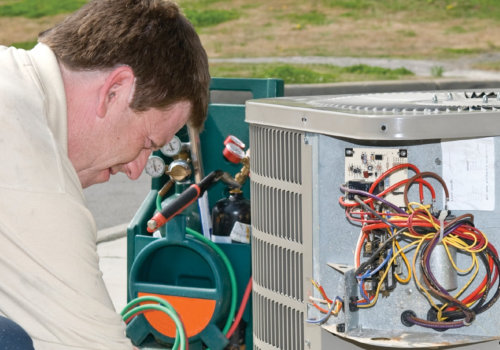
- Comprehensive Inspection: A professional technician will conduct a thorough inspection of your current system. This includes evaluating the inside unit, the outside condenser, ductwork, and any other components that may affect performance.
- Performance Evaluation: The technician will assess how well your current system is functioning.
They will check for issues such as refrigerant levels, airflow problems, and any signs of wear and tear that could indicate the need for replacement.
- Age and Efficiency Analysis: The age of your AC unit plays a significant role in the decision-making process. An expert can provide insights into whether your unit is nearing the end of its lifespan and if it’s operating efficiently compared to newer models.
- Cost-Benefit Analysis: A professional will help you weigh the costs of replacing just the inside unit against the potential savings from upgrading to a more efficient system. This analysis can include long-term energy savings and maintenance costs.
The Importance of Expert Opinion
Expert advice is invaluable when navigating the complexities of HVAC systems. Here are several reasons why consulting with a professional is crucial:
- Tailored Recommendations: Every home is unique, and so are its heating and cooling needs.
An HVAC technician can provide personalized recommendations based on your specific situation, ensuring that you make an informed choice.
- Access to Industry Knowledge: Professionals stay updated on the latest technologies and trends in HVAC systems. Their knowledge can help you choose a system that not only meets your current needs but also anticipates future requirements.
- Avoiding Costly Mistakes: Making decisions without expert guidance can lead to costly errors, such as purchasing an incompatible unit or underestimating installation costs. A technician can help you avoid these pitfalls.
Maintenance Tips to Prolong Your AC Unit's Lifespan
Maintaining your air conditioning unit is crucial for ensuring its longevity and efficiency.Regular maintenance not only helps in preventing unexpected breakdowns but also enhances the overall performance of your system. Here are some practical tips to help you prolong the lifespan of your AC unit:
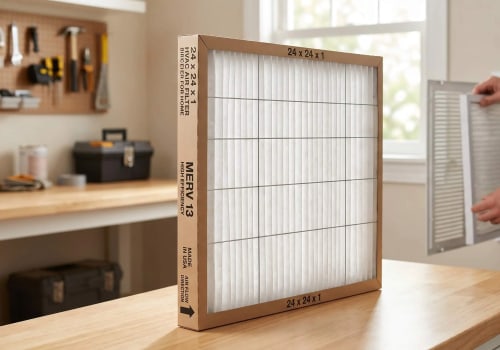
- Change or Clean Filters Regularly: One of the simplest yet most effective maintenance tasks is to check and replace or clean the air filters. Clogged filters restrict airflow, making your AC work harder and reducing its efficiency. Aim to check your filters every month and replace them every 1-3 months, depending on usage.
- Keep the Outdoor Unit Clear: Ensure that the outdoor condenser unit is free from debris such as leaves, dirt, and grass.
A clear space around the unit allows for proper airflow, which is essential for efficient operation. Trim any nearby shrubs or plants to maintain at least two feet of clearance around the unit.
- Schedule Annual Professional Maintenance: While DIY maintenance is important, having a professional HVAC technician inspect your system annually can catch potential issues before they become major problems. During this visit, they will clean coils, check refrigerant levels, and ensure all components are functioning correctly.
- Monitor Thermostat Settings: Using a programmable thermostat can help manage your AC's workload. Set it to higher temperatures when you are away from home and lower it when you return.
This not only saves energy but also reduces wear on the system.
- Inspect Ductwork for Leaks: Leaky ducts can lead to significant energy loss and reduced efficiency. Regularly inspect your ductwork for any signs of wear or damage, and seal any leaks with appropriate materials to ensure optimal airflow.
- Check Drain Lines: Clogged drain lines can cause water damage and affect the performance of your AC unit. Periodically check the drain line for blockages and clean it as necessary to prevent buildup.
- Keep an Eye on Performance: Pay attention to how your AC unit operates. If you notice unusual noises, reduced cooling efficiency, or increased energy bills, these could be signs that maintenance is needed.
Addressing these issues promptly can prevent more extensive repairs down the line.
Frequently Asked Questions (FAQs)
When considering AC replacements, many homeowners have questions about whether to replace just the inside unit or the entire system. Here are some frequently asked questions that can help clarify your options:- What factors should I consider when deciding between replacing the inside unit or the entire system?
The decision largely depends on the age of your current system, its overall condition, and the compatibility of new parts with existing components. If your inside unit is relatively new and in good condition, it may be more economical to replace just that part.However, if your system is older and has multiple issues, replacing the entire system might be more beneficial in the long run.
- How do I know if my AC unit is too old to justify a partial replacement?
Generally, if your AC unit is over 10 years old, it may be time to consider a full system replacement. Older units often face compatibility issues with newer parts and may require frequent repairs, which can add up in costs. - Are there any warranties that affect my decision?
Yes, warranties can significantly influence your choice. Some warranties cover only complete system replacements, while others may allow for individual component replacements. Always check the terms of your warranty before making a decision. - What are the cost implications of replacing just the inside unit versus the entire system?
Replacing just the inside unit can be less expensive upfront; however, if your entire system is outdated or inefficient, you might end up spending more on repairs and energy bills in the long run.A full system replacement may have a higher initial cost but can lead to savings through improved efficiency.
- Can I replace my inside AC unit myself?
While some homeowners may feel comfortable tackling this project, it’s generally recommended to hire a professional HVAC technician. They can ensure that the installation is done correctly and safely, which can prevent future issues.
Conclusion: Making an Informed Decision on Your AC Replacement
Deciding whether to replace just the inside AC unit or the entire system is a significant choice that can impact your comfort, finances, and the efficiency of your home’s cooling system. Throughout this article, we have explored various factors that play a crucial role in making this decision.First and foremost, understanding the type of AC system you have is essential.Split systems allow for the replacement of the inside unit independently, while packaged systems necessitate a full replacement. This distinction is vital as it directly influences your options and potential costs.Another critical factor is the age of your current unit. If your AC unit is relatively new—typically less than ten years old—it may be more economical to replace just the inside unit. Newer models are often designed with compatibility in mind, making repairs and replacements more straightforward.
Conversely, if your unit is older, it may be more prudent to invest in a complete system replacement to avoid ongoing repair costs and inefficiencies.Additionally, consider the overall condition of your AC system. If you find that your unit requires frequent repairs or has multiple issues, replacing the entire system could save you money in the long run. Regular maintenance can extend the life of your unit, but if it’s showing signs of significant wear and tear, it might be time to upgrade.Lastly, don’t overlook warranty considerations. Some warranties may limit your options to replacing the entire system or may only cover specific components.
Always review your warranty terms before making a decision.In conclusion, making an informed decision about whether to replace just the inside AC unit or the entire system involves careful consideration of several factors: system type, age, condition, and warranty status. Consulting with a professional HVAC technician can provide valuable insights tailored to your specific situation. They can help assess your needs and guide you toward the most cost-effective and efficient solution for your home.