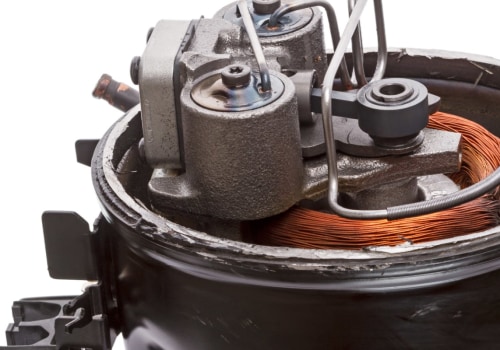
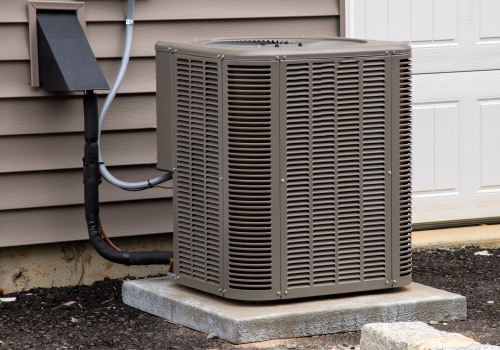
Understanding the intricacies of air conditioning systems is essential for homeowners looking to maintain comfort in their living spaces. At the heart of these systems are two critical components: the condenser and the air handler. Each plays a unique role in the cooling process, and knowing how they work together can help you make informed decisions about AC replacements.The condenser , typically located outside your home, is responsible for releasing heat absorbed from the indoor air. It does this by compressing refrigerant gas, which then circulates through coils to dissipate heat into the atmosphere.
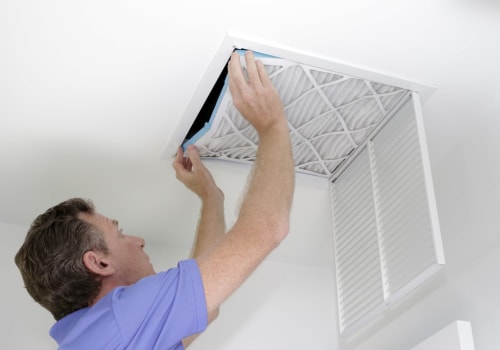
This process is vital for maintaining a cool indoor environment, especially during hot summer months. On the other hand, the air handler , usually found indoors, is tasked with distributing cooled air throughout your home. It contains a blower fan and an evaporator coil that works in tandem with the condenser to ensure that your living space remains comfortable.When considering AC replacements, understanding these components becomes even more crucial. If your condenser fails, you might wonder whether you can simply replace it without also upgrading the air handler.
While it is possible to replace just one component, doing so can lead to inefficiencies and potential compatibility issues. For instance, if your air handler is outdated or incompatible with a new condenser, you may end up facing higher energy bills or frequent repairs.In this article, we will delve deeper into the relationship between these components and explore whether replacing just the condenser is a viable option or if a full system replacement is more beneficial in the long run. By grasping how these elements function together, you can better navigate your options when it comes to maintaining or upgrading your air conditioning system.
What is a Condenser and Air Handler?
In an air conditioning (AC) system, two critical components work in tandem to ensure effective cooling: the condenser and the air handler. Understanding their roles is essential for anyone looking to maintain or replace their AC system.What is a Condenser?
The condenser is typically located outside your home and plays a vital role in the refrigeration cycle.Its primary function is to release heat absorbed from inside your home to the outside environment. When the refrigerant, which has absorbed heat from your indoor air, flows into the condenser, it undergoes a phase change from gas to liquid. This process occurs as the refrigerant releases its heat, aided by a fan that blows air over the condenser coils.Key functions of the condenser include:
- Heat Dissipation: The condenser expels heat from the refrigerant, allowing it to cool down and return to a liquid state.
- Pressure Regulation: It helps maintain the necessary pressure levels within the AC system, ensuring efficient operation.
- Energy Efficiency: A well-functioning condenser contributes to the overall energy efficiency of your AC system, reducing electricity costs.
What is an Air Handler?
The air handler is typically located indoors and is responsible for circulating conditioned air throughout your home. It contains several key components, including a blower fan, heating elements (if applicable), and often an evaporator coil.The air handler works in conjunction with the condenser to provide cool air during hot weather.The main functions of an air handler include:
- Air Circulation: The blower fan pulls warm air from your home through return ducts, passes it over the evaporator coil (where it cools down), and then distributes it back into your living spaces.
- Humidity Control: By cooling the air, the air handler also helps reduce humidity levels, contributing to overall comfort.
- Filtration: Most air handlers are equipped with filters that trap dust, allergens, and other particles, improving indoor air quality.
Can You Replace Just the Condenser?
When considering whether to replace the condenser only in your air conditioning system, several factors come into play. While it is technically possible to replace just the condenser unit, the decision should be made with careful consideration of the overall system's condition and compatibility.One of the primary factors influencing this decision is the age of your existing air handler.If your air handler is relatively new and in good working condition, replacing only the condenser may be a viable option. However, if your air handler is older or showing signs of wear, it might be more cost-effective in the long run to replace both units simultaneously.
Compatibility Issues
Another critical aspect to consider is air handler compatibility. Not all condensers are designed to work seamlessly with every air handler. Mismatched components can lead to inefficiencies, increased energy costs, and potential system failures.For instance, if you replace an older condenser with a newer model that operates on a different refrigerant type, such as moving from R-22 to R-410A, you may also need to replace or modify the air handler to ensure compatibility.Moreover, when replacing just the condenser, it’s essential to evaluate the SEER (Seasonal Energy Efficiency Ratio) ratings of both units. A significant disparity in SEER ratings can result in suboptimal performance and higher operational costs. Ideally, both units should have similar efficiency ratings to maximize energy savings and comfort levels.
Cost Considerations
From a financial perspective, while replacing only the condenser may seem like a cost-saving measure initially, it could lead to higher expenses down the line if other components fail shortly after. If your system is nearing the end of its lifespan—typically around 10-15 years—it may be more prudent to invest in a complete system replacement rather than risk ongoing repairs.In conclusion, while you can replace just the condenser in your air conditioning system, it’s crucial to assess the age and condition of your air handler, ensure compatibility between components, and consider long-term costs.Consulting with a qualified HVAC professional can provide valuable insights tailored to your specific situation.
Factors to Consider Before Replacing Your Condenser
When considering whether to replace your air conditioning condenser, several critical factors come into play. Understanding these elements can help you make an informed decision that balances cost, efficiency, and comfort.Age of Your AC Unit
The age of your air conditioning system is one of the most significant factors to consider. Most air conditioning units have a lifespan of about 10 to 15 years. If your condenser is nearing or has surpassed this age, it may be more cost-effective to replace the entire system rather than just the condenser.An older unit is likely to have other components that are also nearing the end of their lifespan, which could lead to additional repairs shortly after replacing the condenser.
Efficiency Considerations
Another essential factor is the efficiency of your current system. Newer condensers are designed with advanced technology that improves energy efficiency, often rated with higher SEER (Seasonal Energy Efficiency Ratio) ratings. If your existing condenser has a low SEER rating, replacing it with a modern, high-efficiency model can significantly reduce your energy bills and improve overall comfort in your home.Compatibility with Existing Components
Before deciding on a replacement, consider how well the new condenser will work with your existing air handler and other components. Mismatched systems can lead to inefficiencies and increased wear and tear on both units.If your air handler is also old or inefficient, it may be wise to replace both units simultaneously to ensure optimal performance.
Repair Costs vs. Replacement Costs
Evaluate the costs associated with repairing your current condenser versus replacing it. If repairs are frequent and costly, investing in a new unit may save you money in the long run. Additionally, consider any warranties that may still be in effect; if your unit is under warranty, repairs might be more affordable.Environmental Impact
Lastly, consider the environmental impact of your decision.Older units often use refrigerants that are harmful to the environment. By upgrading to a newer model that uses eco-friendly refrigerants, you not only comply with regulations but also contribute positively to environmental conservation.In summary, before making a decision about replacing your condenser, assess the age of your unit, its efficiency, compatibility with existing components, repair costs versus replacement costs, and environmental considerations. Taking these factors into account will help you make a choice that enhances comfort while being mindful of your budget and ecological footprint.
The Importance of Matching Components
When considering an AC replacement , one of the most critical factors is ensuring that the new condenser is compatible with the existing air handler. This compatibility extends beyond mere physical dimensions; it encompasses aspects such as SEER ratings , refrigerant types, and overall system efficiency.SEER Ratings
The Seasonal Energy Efficiency Ratio (SEER) is a measure of an air conditioning system's efficiency over a typical cooling season.
When replacing a condenser, it’s essential to match its SEER rating with that of the air handler. If the new condenser has a significantly higher SEER rating than the existing air handler, it can lead to inefficiencies. The air handler may not be able to keep up with the increased cooling capacity, resulting in uneven temperatures and higher energy bills.Conversely, if the new condenser has a lower SEER rating, you may not be maximizing your energy savings potential. Ideally, both components should have similar SEER ratings to ensure optimal performance and efficiency.
Refrigerant Compatibility
Another crucial aspect to consider is the type of refrigerant used in both the condenser and the air handler.
Many older systems utilize R-22 refrigerant, while newer models typically use R-410A. Mixing these refrigerants can lead to system failure and void warranties. If your existing air handler uses R-22, but you install a new condenser designed for R-410A, you will face significant compatibility issues.To avoid these problems, it’s advisable to replace both components simultaneously if they use different refrigerants. This ensures that your entire system operates efficiently and reduces the risk of costly repairs down the line.
Conclusion
In summary, when contemplating whether to replace just the condenser or both components of your AC system, consider the importance of matching AC components.
Ensuring compatibility in terms of SEER ratings and refrigerant types is vital for achieving optimal performance and efficiency. A well-matched system not only enhances comfort but also extends the lifespan of your HVAC equipment.
Cost Implications of Replacing Only the Condenser
When considering whether to replace just the condenser of your air conditioning system, it’s essential to evaluate the cost implications involved. While replacing only the condenser may seem like a more economical choice in the short term, it’s crucial to analyze the long-term financial impact and efficiency gains that come with replacing both the condenser and the air handler.One of the primary factors influencing the decision is the cost of condenser replacement. Typically, replacing a condenser unit can range from $1,500 to $3,000, depending on the brand, model, and installation complexity.However, if your air handler is older or less efficient, you may find yourself facing additional costs sooner than expected. If the air handler fails shortly after replacing the condenser, you’ll end up spending more money overall.In contrast, opting to replace both units at once can lead to significant long-term savings. Newer systems are designed with improved energy efficiency ratings, which can reduce your monthly energy bills. For instance, upgrading to a system with a higher SEER (Seasonal Energy Efficiency Ratio) rating can save homeowners anywhere from 20% to 50% on cooling costs compared to older models.
This means that while the initial investment may be higher, the return on investment through energy savings can be substantial over time.Moreover, when both units are replaced simultaneously, you minimize the risk of compatibility issues that can arise from mismatched systems. A new condenser paired with an older air handler may not operate at peak efficiency, leading to increased wear and tear and potentially higher repair costs down the line.In summary, while replacing only the condenser might seem like a cost-effective solution initially, it’s vital to consider the broader financial picture. Investing in a complete system replacement not only enhances efficiency but also provides peace of mind against future repairs and operational inefficiencies. Ultimately, making an informed decision based on both immediate costs and long-term benefits will lead to greater satisfaction and savings in your home cooling system.
When to Consider Replacing Both Units
When contemplating whether to replace just the condenser or both the condenser and air handler, several factors come into play.Understanding these factors can help you make a more informed decision that ultimately benefits your home’s comfort and efficiency.
1.Age of the System
- If your air conditioning system is over 10 years old, it may be wise to consider replacing both units. Systems of this age are often less efficient and more prone to breakdowns.
- Newer models offer improved energy efficiency ratings, which can lead to significant savings on your energy bills.
2.Performance Issues
- If you notice that your air conditioning system is struggling to maintain a comfortable temperature, it may indicate that both the condenser and air handler are not functioning optimally.
- Replacing only one component might provide a temporary fix, but if the other unit is also nearing the end of its lifespan, you could face additional costs in the near future.
3.Compatibility Concerns
- When replacing just the condenser, there’s a risk that it may not work efficiently with an older air handler. Mismatched components can lead to reduced efficiency and increased wear and tear on both units.
- By replacing both units simultaneously, you ensure compatibility and optimal performance.
4.Warranty Considerations
- If your air handler is still under warranty, it might be tempting to keep it while replacing the condenser. However, consider whether the warranty will cover potential issues that arise from using mismatched components.
- In many cases, warranties do not cover failures caused by incompatible parts.
5.Long-Term Savings
- While replacing both units may seem like a larger upfront investment, it can lead to long-term savings through improved energy efficiency and reduced repair costs.
- A new system can also enhance your home’s resale value, making it a worthwhile investment.
By considering these factors, you can make a decision that not only addresses immediate issues but also sets you up for long-term comfort and efficiency in your home.
Common Questions About AC Replacements
When it comes to AC replacements, homeowners often have numerous questions and concerns. Understanding these can help you make informed decisions about your air conditioning system.Can I replace just the condenser without changing the air handler?
Yes, it is possible to replace only the condenser unit of your air conditioning system. However, this decision should be made with caution. If your air handler is relatively new and in good working condition, replacing just the condenser can be a cost-effective solution.
On the other hand, if your air handler is older or showing signs of wear, it may be more beneficial to replace both units simultaneously to ensure compatibility and efficiency.
What are the risks of not replacing both units?
When you replace only one component of your AC system, you risk creating an imbalance. For instance, if the new condenser operates at a higher efficiency than an older air handler, it may lead to issues such as:
- Increased energy costs due to inefficiency.
- Frequent breakdowns as older components struggle to keep up with newer technology.
- Potential warranty issues if the units are not compatible.
How do I know if my air handler needs replacement?
Several signs indicate that your air handler may need replacement:
- Age: If your air handler is over 10-15 years old, it may be nearing the end of its lifespan.
- Frequent repairs: If you find yourself calling for repairs multiple times a year, it might be time for a replacement.
- Inefficiency: Rising energy bills can indicate that your system is not operating efficiently.
What should I consider before making a replacement?
Before deciding on an AC replacement, consider the following factors:
- System compatibility: Ensure that any new condenser or air handler is compatible with existing components.
- Energy efficiency: Look for units with high SEER ratings to save on energy costs in the long run.
- Warranty coverage: Check if your current system is still under warranty, as this could affect your decision.
Conclusion: Making Informed Decisions on AC Replacements
In conclusion, the decision to replace a condenser without also replacing the air handler is not a straightforward one. It requires careful consideration of several factors, including the age of your system, its overall condition, and the compatibility of the components involved. As discussed, while it is technically possible to replace just the condenser unit, doing so may not always be the most cost-effective or efficient choice.When evaluating your options for AC replacements, consider the following:- Age of the System: If your air conditioning system is over a decade old, it may be more beneficial to invest in a new, energy-efficient model rather than replacing individual components.
Newer systems offer improved technology and efficiency that can lead to significant savings on energy bills.
- Compatibility: Ensure that any new condenser you consider is compatible with your existing air handler. Mismatched components can lead to inefficiencies and increased wear and tear on your system.
- Refrigerant Type: If your current system uses R-22 refrigerant, transitioning to a new condenser that uses R-410A may necessitate replacing the air handler as well. This is crucial to avoid contamination and ensure optimal performance.
- Cost Considerations: Weigh the costs of repairing versus replacing. While replacing just the condenser might seem cheaper initially, ongoing repairs on an aging system can add up quickly.
- Warranty Status: If your system is still under warranty, check what components are covered.
This could influence whether you opt for repairs or a full replacement.