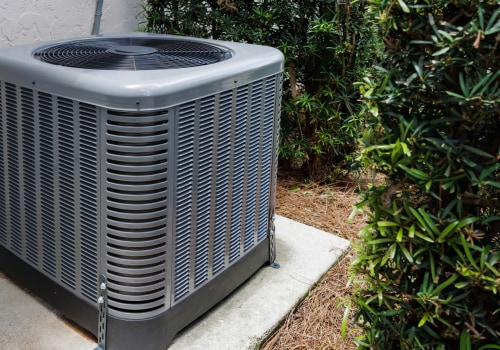
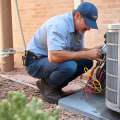
Understanding the importance of refrigerant in air conditioning systems is crucial for any homeowner looking to maintain a comfortable living environment. Refrigerant, often referred to by its brand name Freon, is the lifeblood of your AC unit, playing a pivotal role in the cooling process. It circulates through the system, absorbing heat from the indoor air and releasing it outside, thereby lowering the temperature within your home. Without an adequate supply of refrigerant, your air conditioning system cannot function effectively, leading to inadequate cooling and increased energy consumption.The role of refrigerant extends beyond mere temperature control; it is integral to the overall performance and efficiency of your air conditioning unit.
When refrigerant levels are optimal, your AC operates smoothly, providing consistent cooling while consuming less energy. However, when leaks occur, the system struggles to maintain desired temperatures, resulting in higher energy bills and potential long-term damage to the unit. This not only affects comfort but can also lead to costly repairs or even necessitate AC replacements.Moreover, understanding air conditioning basics helps homeowners appreciate how vital refrigerant is to their systems. The refrigerant undergoes phase changes—evaporating to absorb heat and condensing to release it—creating a continuous cycle that cools your home efficiently.
This cycle is delicate; any disruption, such as a freon leak, can compromise the entire system's functionality. Therefore, recognizing the signs of low refrigerant levels and addressing them promptly is essential for maintaining both comfort and efficiency.
What Causes Freon Leaks?
Understanding the causes of freon leaks is essential for homeowners who want to maintain their air conditioning units effectively. Freon, or refrigerant, is vital for the cooling process in your AC system, and leaks can lead to significant performance issues and increased energy costs. Here are some of the primary factors that contribute to freon leaks:- Corrosion: One of the most common causes of freon leaks is corrosion, particularly in older AC units.
The coils, which are responsible for circulating refrigerant, can corrode over time due to exposure to moisture and environmental elements. This corrosion can create tiny holes that allow freon to escape.
- Wear and Tear: Just like any mechanical system, air conditioning units experience wear and tear as they age. Components such as seals and gaskets can degrade over time, leading to potential leaks. Regular maintenance can help identify these issues before they become significant problems.
- Punctures or Damage: Physical damage to the AC unit can also result in freon leaks.
This could be caused by improper installation, accidental impacts from lawn equipment, or even wildlife. Ensuring that your unit is installed correctly and protected from external damage is crucial.
- Improper Installation: If an air conditioning unit is not installed correctly, it may lead to various issues, including refrigerant leaks. Poorly fitted connections or inadequate sealing can create pathways for freon to escape.
- Environmental Factors: External conditions such as extreme temperatures or humidity can also affect the integrity of your AC unit. For instance, high humidity levels can accelerate corrosion, while extreme cold can cause components to contract and expand, potentially leading to leaks.
Regular inspections and maintenance are key strategies in identifying potential issues early on. Additionally, being aware of the age and condition of your AC unit can help you make informed decisions about repairs or replacements when necessary.
Signs Your AC Unit Has a Freon Leak
Identifying a freon leak in your air conditioning unit is crucial for maintaining its efficiency and prolonging its lifespan. Homeowners should be vigilant for several key signs that indicate a potential issue with refrigerant levels.- Reduced Cooling Efficiency: One of the most noticeable symptoms of a freon leak is a significant drop in cooling performance. If your AC unit is running but the air coming out of the vents is warm or only slightly cool, it may be struggling due to low refrigerant levels.
This can lead to discomfort during hot weather and increased energy bills as the unit works harder to achieve the desired temperature.
- Increased Energy Bills: If you notice a sudden spike in your energy costs without any changes in usage patterns, it could be a sign of a freon leak. An AC unit that is low on refrigerant will consume more energy as it attempts to cool your home, leading to higher utility bills.
- Ice Formation: Another telltale sign of a freon leak is ice buildup on the evaporator coils or refrigerant lines. When there isn’t enough refrigerant, the coils can become too cold, causing moisture in the air to freeze. If you see ice forming, it’s essential to turn off your AC and call a professional for inspection.
- Unusual Noises: Pay attention to any strange sounds coming from your AC unit.
Hissing or bubbling noises can indicate that refrigerant is leaking from the system. These sounds are often accompanied by other performance issues, making them a critical sign to address.
- Frequent Cycling: If your air conditioner frequently turns on and off (a phenomenon known as short cycling), it may be struggling due to insufficient refrigerant. This not only affects comfort levels but can also lead to further damage if not addressed promptly.
Regular maintenance checks can also help catch these issues before they escalate, ensuring your air conditioning system operates efficiently throughout its lifespan.
The Financial Impact of Freon Leaks
Freon leaks in your air conditioning unit can lead to significant financial repercussions that extend beyond the immediate costs of repair. Understanding these implications is crucial for homeowners who want to maintain both comfort and budget.When a freon leak occurs, the first noticeable effect is often a decline in cooling efficiency. As the refrigerant level drops, your AC unit has to work harder to maintain the desired temperature, which can lead to increased energy consumption. This spike in energy usage can result in higher monthly utility bills, sometimes by as much as 20% or more, depending on the severity of the leak and the age of the unit.In terms of repair costs, addressing a freon leak can vary widely based on several factors:- Location of the Leak: If the leak is easily accessible, repairs may be straightforward and less expensive.
However, leaks in hard-to-reach areas can significantly increase labor costs.
- Type of AC Unit: The cost to repair a freon leak in a central air conditioning system typically differs from that of a window or portable unit. Central systems often require more extensive work and higher parts costs.
- Age of the Unit: Older units may not only have more frequent leaks but also require additional repairs or part replacements, which can escalate costs.
Components such as compressors may fail due to excessive strain from low refrigerant levels, leading to even higher repair or replacement costs. Therefore, timely intervention is not just about fixing a leak; it’s about protecting your overall investment in your home’s HVAC system.In summary, the financial impact of freon leaks encompasses not only immediate repair expenses but also long-term increases in energy bills and potential damage to your AC unit. Homeowners should prioritize regular maintenance and prompt repairs to mitigate these costs effectively.
Repairing vs. Replacing: Making the Right Choice
When faced with a freon leak in your air conditioning unit, homeowners often grapple with the decision of whether to repair the leak or replace the entire system.This choice can significantly impact both comfort and finances, making it essential to weigh the pros and cons of each option carefully.
Understanding Repair Costs
Repairing a freon leak typically involves locating the source of the leak, which can be a time-consuming process. The costs associated with this repair can vary widely based on several factors:
- Location of the Leak: If the leak is easily accessible, repairs may be less expensive. However, leaks in hard-to-reach areas can increase labor costs.
- Type of AC Unit: The complexity of your air conditioning system plays a significant role in repair costs. For instance, window units may be cheaper to fix than central air systems.
- Age of the Unit: Older units may require more extensive repairs or parts that are harder to find, potentially increasing costs.
When to Consider Replacement
While repairing a freon leak can be a viable option, there are circumstances where replacing the entire AC unit may be more beneficial:
- Frequent Breakdowns: If your AC unit has a history of frequent repairs, it may be more cost-effective to invest in a new system rather than continually patching up an aging unit.
- Energy Efficiency: Newer models are often significantly more energy-efficient than older units.
Upgrading can lead to lower utility bills and improved comfort.
- Age of the Unit: If your air conditioner is over 10 years old and requires major repairs, replacement might be a better long-term investment.
Cost Comparison: Repair vs. Replacement
The financial implications of repairing versus replacing an AC unit can be substantial. On average, repairing a freon leak might cost between $200 and $1,500 depending on the factors mentioned earlier. In contrast, replacing an entire AC unit can range from $3,000 to $7,000 or more, depending on the size and efficiency of the new system.Ultimately, making an informed decision requires evaluating your specific situation.
Consider factors such as your budget, the age and condition of your current unit, and how often you use your air conditioning. Consulting with an HVAC professional can also provide valuable insights tailored to your needs.
Preventive Measures to Avoid Freon Leaks
Preventing freon leaks in your air conditioning unit is essential for maintaining its efficiency and prolonging its lifespan. By implementing a few proactive measures, homeowners can significantly reduce the risk of leaks and avoid costly repairs or replacements.1.Schedule Regular HVAC Maintenance
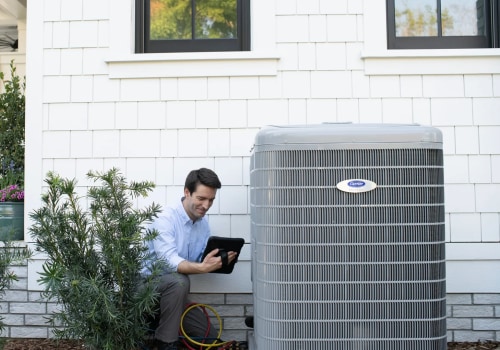
- One of the most effective ways to prevent freon leaks is to schedule regular maintenance with a qualified HVAC technician. Annual inspections can help identify potential issues before they escalate into major problems.
- During these maintenance visits, technicians will check for signs of wear and tear, inspect the coils, and ensure that all components are functioning correctly.
2.Keep the AC Unit Clean
- Regularly cleaning your air conditioning unit is crucial.
Dirt and debris can accumulate on the coils and filters, leading to reduced efficiency and increased wear on the system.
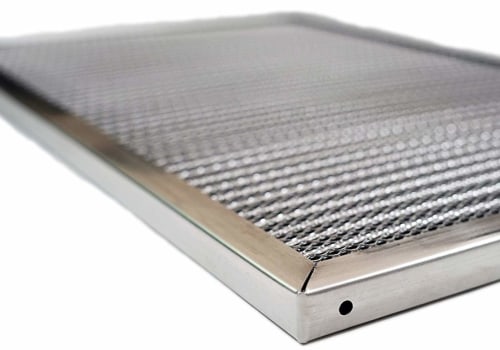
- Make it a habit to clean or replace filters every one to three months, depending on usage. This simple task can improve airflow and reduce strain on the unit.
3.Monitor Refrigerant Levels
- Keeping an eye on refrigerant levels can help you catch leaks early. If you notice that your AC is not cooling effectively, it may be a sign of low refrigerant due to a leak.
- Consider investing in a refrigerant gauge to monitor levels or consult with your HVAC technician during maintenance checks.
4.Insulate Ductwork
- Proper insulation of ductwork can prevent temperature fluctuations that may lead to condensation and corrosion over time. Ensure that ducts are sealed and insulated to maintain optimal performance.
- This not only helps in preventing freon leaks but also improves overall energy efficiency.
5.Address Corrosion Issues Promptly
- If you live in an area with high humidity or salt exposure, be vigilant about corrosion on your AC unit's components.
Regularly inspect for rust or deterioration, especially if your unit has copper coils.
- Addressing these issues promptly can prevent leaks from developing in the first place.
6.Educate Yourself on Signs of Trouble
- Being aware of the signs of potential freon leaks can save you time and money. Look out for unusual noises, ice buildup on coils, or inconsistent cooling throughout your home.
- If you notice any of these symptoms, contact a professional immediately to assess the situation.
The Role of Professional HVAC Services in Leak Detection and Repair
When it comes to addressing freon leaks in your air conditioning unit, the expertise of professional HVAC services is invaluable. While some homeowners may consider DIY methods for leak detection and repair, the complexities involved in handling refrigerants and the potential for further damage make it essential to rely on trained professionals.Why Choose Professional HVAC Services?
Professional HVAC technicians possess the necessary training and experience to accurately diagnose and repair freon leaks.
They utilize advanced tools and techniques that are not typically available to the average homeowner. For instance, many professionals employ nitrogen detection methods, which involve pressurizing the system with nitrogen to identify leak points through audible sounds. This method is both effective and safe, ensuring that the integrity of your AC unit is maintained during the process.
What to Look for in an HVAC Service Provider
- Licensing and Certification: Ensure that the HVAC service provider is licensed and certified. This not only guarantees that they meet industry standards but also provides peace of mind that they are qualified to handle refrigerants safely.
- Experience: Look for companies with a proven track record in leak detection and repair.
Experienced technicians are more likely to identify issues quickly and provide effective solutions.
- Customer Reviews: Check online reviews and testimonials from previous customers. Positive feedback can indicate a reliable service provider who values customer satisfaction.
- Comprehensive Services: Choose a company that offers a full range of HVAC services, including maintenance, repairs, and replacements. This ensures that they can address any related issues that may arise during the repair process.
- Transparent Pricing: A reputable HVAC service should provide clear estimates before beginning any work. This transparency helps you understand the costs involved and avoid unexpected charges.
The Importance of Regular Maintenance
In addition to leak detection and repair, regular maintenance by professional HVAC services can significantly reduce the likelihood of freon leaks occurring in the first place.
Routine inspections can identify potential issues before they escalate, saving you money in the long run. Technicians can clean coils, check refrigerant levels, and ensure that all components are functioning optimally.In conclusion, when faced with a freon leak in your AC unit, enlisting the help of professional HVAC services is crucial. Their expertise not only ensures accurate detection and repair but also contributes to the longevity and efficiency of your air conditioning system.
Frequently Asked Questions About Freon Leaks and AC Replacements
When it comes to freon leaks and the potential need for AC replacements, homeowners often have numerous questions. Understanding these concerns can help you make informed decisions about your HVAC system.What are the signs of a freon leak?
Identifying a freon leak early can save you from costly repairs and discomfort.Common signs include:
- Inadequate cooling: If your air conditioner is running but not cooling your home effectively, it may be low on refrigerant due to a leak.
- Ice buildup: Ice forming on the evaporator coils can indicate that the refrigerant level is too low.
- Hissing or bubbling sounds: These noises can signal that refrigerant is escaping from the system.
- Increased energy bills: A freon leak can cause your AC unit to work harder, leading to higher energy costs.
How do I know if I need to replace my AC unit?
Deciding whether to repair or replace your air conditioning system depends on several factors:- Age of the unit: If your AC is over 10 years old and requires frequent repairs, replacement may be more cost-effective.
- Cost of repairs: If repair costs exceed 50% of the price of a new unit, consider replacing it.
- Energy efficiency: Newer models are often more energy-efficient, which can lead to savings on utility bills.
Can I fix a freon leak myself?
While some homeowners may attempt DIY repairs, fixing a freon leak typically requires professional expertise. Handling refrigerants improperly can be dangerous and is often illegal without proper certification. It's best to consult with a licensed HVAC technician who can accurately diagnose and repair the issue.What should I expect during an AC replacement?
The process of replacing an air conditioning unit generally involves several steps:- Assessment: A technician will evaluate your home’s cooling needs and recommend an appropriate system.
- Removal of the old unit: The existing AC will be safely disconnected and removed.
- Installation of the new unit: The new system will be installed according to manufacturer specifications, ensuring optimal performance.
- Testing: After installation, the technician will test the system to ensure it operates correctly.
Conclusion: Understanding Costs and Making Informed Decisions About Your AC Unit
In conclusion, understanding the true cost of freon leaks in your air conditioning unit is essential for making informed decisions about repairs or replacements. As we have explored, freon leaks can lead to significant inefficiencies in your AC system, resulting in higher energy bills and discomfort in your home.Addressing these leaks promptly not only helps maintain the performance of your unit but also prevents further damage that could lead to more costly repairs.When faced with a freon leak, homeowners must consider several factors before deciding on a course of action. The age of the unit plays a crucial role; older systems may be more prone to leaks and require extensive repairs, while newer models might be easier and less expensive to fix. Additionally, the location of the leak can influence repair costs, as some leaks are more accessible than others.Moreover, it is vital to weigh the costs of repairing a freon leak against the potential benefits of AC replacements. In many cases, investing in a new air conditioning unit can provide long-term savings through improved energy efficiency and reduced maintenance costs.
If your system is over ten years old and requires significant repairs, replacing it may be the most economical choice.Regular maintenance is another key aspect to consider. Scheduling annual tune-ups can help identify potential issues before they escalate into costly repairs. Keeping your AC unit clean and well-maintained not only extends its lifespan but also enhances its efficiency.Ultimately, making informed decisions about your air conditioning system involves understanding both the immediate costs associated with freon leaks and the long-term implications of repairs versus replacements. By staying proactive and informed, you can ensure that your home remains comfortable while managing your HVAC expenses effectively.