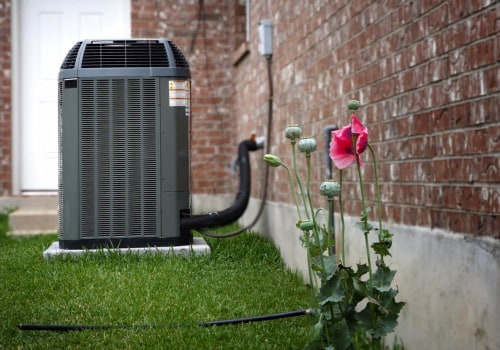
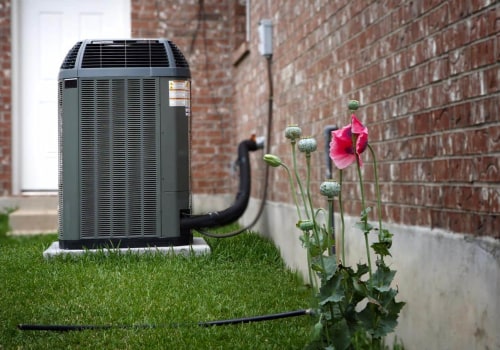
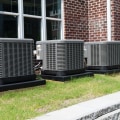
To fully appreciate the importance of your air conditioning system, it is essential to understand the role of the AC unit's condenserAC unit's condenser. The condenser is a critical component that plays a vital part in the cooling process. Essentially, it is responsible for releasing the heat absorbed from your home into the outside air, allowing your AC unit to cool the indoor environment effectively. Without a properly functioning condenser, your air conditioning system would struggle to maintain a comfortable temperature, leading to increased energy consumption and potential system failure.
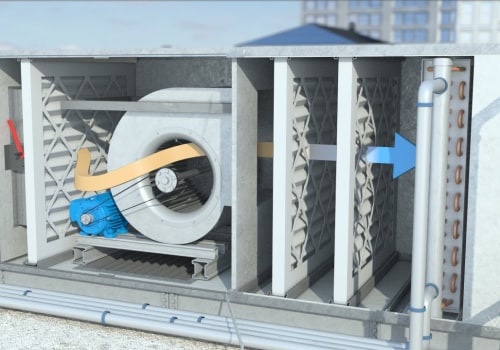
Similarly, if you encounter issues with your freezer, seeking professional freezer repairs can help ensure it operates efficiently.So, what exactly is an Similarly, if you encounter issues with your freezer, seeking professional freezer repairs can help ensure it operates efficiently.So, what exactly is an AC condenser ? This component typically consists of a series of coils and fins that facilitate heat exchange. When refrigerant circulates through these coils, it absorbs heat from inside your home and carries it outside. As the refrigerant passes through the condenser coils, it releases this heat into the outdoor air, transforming from a gas back into a liquid state. This process is crucial for maintaining the efficiency and effectiveness of your cooling system.The function of an AC condenser extends beyond just heat release; it also plays a role in ensuring that the refrigerant cycle operates smoothly.
A well-maintained condenser allows for optimal pressure levels within the system, which is essential for efficient cooling. If the condenser becomes dirty or damaged, it can lead to reduced efficiency, higher energy bills, and even premature wear on other components of your AC unit. Understanding these functions highlights why regular maintenance and timely replacements are necessary for keeping your air conditioning system running at peak performance.
Signs That Your AC Condenser May Need Replacement
Recognizing the signs that your AC condenser may be failing is crucial for maintaining a comfortable home environment and avoiding costly repairs. Here are some key indicators that suggest it might be time to consider AC replacements.- Increased Energy Bills: If you notice a sudden spike in your energy bills without a corresponding increase in usage, it could indicate that your AC condenser is struggling to operate efficiently.
A failing condenser often requires more energy to cool your home, leading to higher costs.
- Inconsistent Cooling: If certain rooms in your home are warmer than others or if the overall cooling is uneven, this could be a sign of a malfunctioning condenser. A properly functioning unit should distribute cool air evenly throughout your space.
- Unusual Noises: Pay attention to any strange sounds coming from your AC unit. Grinding, hissing, or clanking noises can indicate mechanical issues within the condenser. These sounds often signal that components are wearing out or have become loose.
- Frequent Cycling: If your air conditioning system frequently turns on and off, this could be a sign of a failing condenser.
This behavior not only affects comfort but can also lead to increased wear and tear on the system.
- Age of the Unit: The age of your AC unit plays a significant role in its performance. If your condenser is over 10 years old and showing signs of wear, it may be more cost-effective to replace the entire system rather than just the condenser.
- Refrigerant Leaks: If you notice any signs of refrigerant leaks around your AC unit, this is a serious issue. Low refrigerant levels can lead to inadequate cooling and may indicate that the condenser is failing.
Early detection of these signs can save you money and ensure that your home remains comfortable during the hot months.
Evaluating the Age and Condition of Your AC Unit
Understanding the lifespan of your air conditioning unit is crucial when considering whether to replace its condenser or the entire system. Typically, most AC units have a lifespan ranging from 10 to 15 years, depending on various factors such as usage, maintenance, and the quality of the unit itself. However, the age of your AC unit is not the only factor to consider; the overall condition of the system plays a significant role in determining whether a replacement is necessary.To assess the age of your AC unit, check the manufacturer’s label, usually located on the side or top of the outdoor condenser. This label will provide you with the manufacturing date, which can help you gauge how much life your system has left.If your unit is approaching or has surpassed the 10-year mark, it’s essential to evaluate its performance and efficiency.Here are some signs that may indicate it’s time to consider a replacement:
- Frequent Repairs: If you find yourself calling for repairs multiple times a year, it may be more cost-effective to invest in a new system rather than continuing to patch up an aging unit.
- Increased Energy Bills: An older AC unit often operates less efficiently, leading to higher energy costs. If you notice a significant spike in your utility bills without any changes in usage, this could be a red flag.
- Inconsistent Cooling: If certain rooms in your home are warmer than others or if your AC struggles to maintain a consistent temperature, it may indicate that the system is failing.
- Unusual Noises: Sounds like grinding, squealing, or hissing can signal serious issues within your AC unit that may warrant replacement.
Cost Considerations: Repair vs.
ReplacementWhen faced with the decision of whether to repair or replace your AC unit's condenser, understanding the cost implications is crucial. This section will explore the financial aspects of both options, helping you make an informed choice based on your budget and long-term needs.
Repairing Your AC Condenser
Repairing a faulty condenser can often seem like the most economical choice. The average cost to repair an AC condenser typically ranges from $150 to $600 , depending on the specific issue and labor costs in your area. Common repairs may include:
- Replacing a capacitor or contactor
- Fixing refrigerant leaks
- Cleaning or replacing coils
- Addressing electrical issues
If you find yourself frequently calling for service, the cumulative costs can quickly add up, potentially leading to a point where replacement becomes more financially viable.
Replacing Your AC Condenser
If your condenser is over 10 years old or has significant issues, replacement might be the better option. The cost to replace an AC condenser can range from $1,500 to $4,000 , depending on the brand, efficiency rating, and installation complexity. While this is a larger upfront investment, there are several factors that can make it worthwhile:
- Energy Efficiency: Newer models are designed to be more energy-efficient, which can lead to lower utility bills.
- Warranty Benefits: A new unit typically comes with a warranty that covers parts and labor for several years.
- Increased Home Value: A new air conditioning system can enhance your home’s marketability and value.
Financial Considerations for AC Replacement
When weighing the costs of repair versus replacement, consider the following:
- Total Cost of Ownership: Factor in not just the initial cost but also ongoing maintenance and energy costs.
- Age of Your System: If your system is nearing its expected lifespan (typically 15-20 years), replacement may be more prudent.
- Comfort and Reliability: A new system may provide better comfort levels and reliability compared to an aging unit.
Energy Efficiency and Environmental Impact
When considering whether to replace your AC unit's condenser, one of the most compelling reasons is the potential for enhanced energy efficiency.Modern air conditioning systems are designed with advanced technology that significantly improves their performance compared to older models. This means that by upgrading your condenser, you can enjoy a more efficient cooling process that uses less energy, ultimately leading to lower utility bills.Newer AC units often feature inverter technology , which allows the compressor to operate at variable speeds. This capability enables the system to adjust its cooling output based on the current temperature and humidity levels, rather than simply turning on and off. As a result, these systems consume less energy while maintaining a comfortable indoor environment.In addition to energy savings, replacing an old condenser can have a positive impact on the environment.
Older air conditioning units often use refrigerants that are harmful to the ozone layer and contribute to global warming. By investing in a new system that utilizes eco-friendly refrigerants, such as R-410A or R-32, homeowners can reduce their carbon footprint and support sustainability efforts.Moreover, many modern AC units are designed with energy efficiency ratings such as SEER (Seasonal Energy Efficiency Ratio). A higher SEER rating indicates a more efficient unit. When replacing your condenser, look for models with a SEER rating of 16 or higher, as these units not only save energy but also qualify for various rebates and incentives offered by utility companies.In summary, replacing your AC unit's condenser can lead to significant improvements in both energy efficiency and environmental impact.
By choosing a modern system equipped with the latest technology and eco-friendly refrigerants, you can enjoy a comfortable home while contributing to a healthier planet. If you're considering an upgrade, consult with a professional to explore the best options available for your specific needs.
Consulting with HVAC Professionals: When to Seek Help
When it comes to making decisions about your air conditioning system, particularly regarding AC replacements, consulting with HVAC professionals is crucial. These experts possess the knowledge and experience necessary to evaluate your system comprehensively and provide tailored recommendations based on your specific situation.When to Call an HVAC Technician
- If your AC unit is not cooling effectively, despite regular maintenance.
- When you notice unusual noises or smells coming from the unit.
- If your energy bills have spiked unexpectedly, indicating potential inefficiencies.
- When the system is over ten years old and showing signs of wear.
- If you are considering a major repair or replacement of any component, including the condenser.
What to Expect During a Professional HVAC Consultation
During a consultation, the technician will assess various aspects of your AC unit, including:
- The age and condition of the system.
- The efficiency ratings of your current unit.
- The size of your home and the cooling requirements.
- Any existing warranties or service agreements.
- Your budget and preferences for energy efficiency.
They can also help you understand the potential long-term savings associated with newer, more efficient models.
Benefits of HVAC Inspection
Regular inspections by HVAC professionals offer numerous benefits:
- Enhanced Efficiency: Regular check-ups ensure that your system operates at peak efficiency, reducing energy costs.
- Prolonged Lifespan: Timely maintenance can extend the life of your AC unit, delaying costly replacements.
- Improved Air Quality: Professionals can identify issues that may affect indoor air quality, ensuring a healthier environment for your family.
- Peace of Mind: Knowing that a qualified expert has evaluated your system provides reassurance that you are making informed decisions regarding repairs or replacements.
The Replacement Process: What to Expect
Replacing your AC condenser is a significant step in maintaining your home’s cooling system. Understanding the replacement process can help you prepare for what to expect and ensure a smooth installation.Here’s a detailed overview of the steps involved in replacing an AC condenser.
1.Initial Assessment
The first step in the replacement process is a thorough assessment of your current system. A qualified technician will evaluate the existing condenser, checking for any additional issues that may need addressing. This assessment helps determine whether a simple condenser replacement is sufficient or if other components require attention.
2.Selecting the Right Condenser
Once it’s confirmed that the condenser needs replacement, the next step is selecting a suitable replacement unit. Factors to consider include:
- Size: The new condenser must match the specifications of your existing system to ensure optimal performance.
- Efficiency Ratings: Look for units with high SEER (Seasonal Energy Efficiency Ratio) ratings to maximize energy savings.
- Brand and Warranty: Choose reputable brands that offer solid warranties for peace of mind.
3.Preparing for Installation
Before installation begins, it’s essential to prepare your home.
Clear the area around the outdoor unit to provide easy access for technicians. Additionally, ensure that any pets are secured away from the work area to prevent accidents.
4.Removal of the Old Condenser
The technician will start by disconnecting power to the unit and removing refrigerant from the old condenser, following safety protocols. After that, they will carefully detach the old unit from its connections and remove it from your property.
5.Installing the New Condenser
The new condenser will be positioned in place, ensuring proper alignment with existing ductwork and electrical connections. The technician will then connect refrigerant lines, electrical wiring, and any necessary drainage systems.
6.Testing and Final Adjustments
After installation, the technician will conduct thorough testing to ensure everything operates correctly.
This includes checking refrigerant levels, testing electrical connections, and running the system to confirm efficient operation.
7.Clean-Up and Maintenance Tips
Once testing is complete, the technician will clean up the work area, disposing of the old unit responsibly. They may also provide maintenance tips to help you keep your new condenser in optimal condition.By understanding these steps, you can feel more confident about what to expect during your AC condenser replacement process. Proper preparation and knowledge can lead to a successful installation and improved cooling efficiency in your home.
Frequently Asked Questions About AC Replacements
When considering AC replacements, homeowners often have numerous questions. Here are some of the most frequently asked questions regarding AC unit replacements, along with clear and concise answers to help you make informed decisions.1.How do I know if my AC unit needs to be replaced?
There are several signs that indicate it may be time for a replacement:- Age of the Unit: If your air conditioning system is over 10-15 years old, it may be less efficient and more prone to breakdowns.
- Frequent Repairs: If you find yourself calling for repairs multiple times a year, it might be more cost-effective to invest in a new unit.
- Rising Energy Bills: An increase in your energy costs can signal that your AC unit is working harder than it should, often due to inefficiency.
- Inconsistent Temperatures: If some rooms are too hot or too cold, it could indicate that your system is struggling to maintain a consistent temperature.
2.What factors should I consider when replacing my AC unit?
When contemplating an AC replacement, consider the following:- Size of the Unit: Ensure that the new unit is appropriately sized for your home.
An oversized or undersized unit can lead to inefficiency and discomfort.
- Energy Efficiency Ratings: Look for units with high SEER (Seasonal Energy Efficiency Ratio) ratings to save on energy costs.
- Warranty and Maintenance: Check the warranty terms and consider maintenance plans that can extend the life of your new system.
3.Can I replace just the condenser instead of the entire unit?
In some cases, replacing just the condenser can be a viable option, especially if:- The rest of the system is relatively new and functioning well.
- The condenser is under warranty, which can significantly reduce costs.
4.How long does an AC replacement take?
The installation of a new AC unit typically takes between 4 to 8 hours, depending on the complexity of the installation and any additional modifications needed for your home. It's best to consult with a professional for a more accurate estimate based on your specific situation.By addressing these common questions about AC replacements, homeowners can feel more confident in their decision-making process and ensure they choose the best option for their cooling needs.Conclusion: Making the Right Choice for Your Home's Comfort
In conclusion, determining whether to replace your AC unit's condenser is a multifaceted decision that requires careful consideration of various factors. Throughout this article, we have explored the critical aspects that influence this choice, emphasizing the importance of understanding your specific situation and the condition of your air conditioning system.First and foremost, it is essential to assess the age and warranty status of your condenser. If your unit is still under warranty, replacing the condenser can be a financially sound decision, as you will primarily incur labor costs.However, for units older than ten years or those out of warranty, it may be prudent to consider a full system replacement. This is particularly true if your current system is showing signs of inefficiency or frequent breakdowns.Additionally, we discussed the potential long-term savings associated with investing in a new air conditioning system. Modern units are designed to be more energy-efficient, which can lead to significant reductions in your monthly energy bills. By upgrading, you not only enhance your home’s comfort but also contribute to a more sustainable environment.Moreover, it is crucial to evaluate the specific issues affecting your AC unit.
If the condenser is the sole component requiring replacement and the rest of the system is in good condition, then replacing just that part may be sufficient. However, if other components are also aging or malfunctioning, a complete replacement could save you from future headaches and expenses.Ultimately, consulting with a qualified HVAC professional can provide invaluable insights tailored to your unique circumstances. They can conduct a thorough assessment of your system and help you weigh the pros and cons of replacing just the condenser versus opting for a new unit altogether.In summary, making an informed decision about whether to replace your AC unit's condenser involves understanding its current performance, age, warranty status, and any existing issues. By taking these factors into account and seeking professional advice, you can ensure that you make the best choice for your home’s comfort and efficiency.