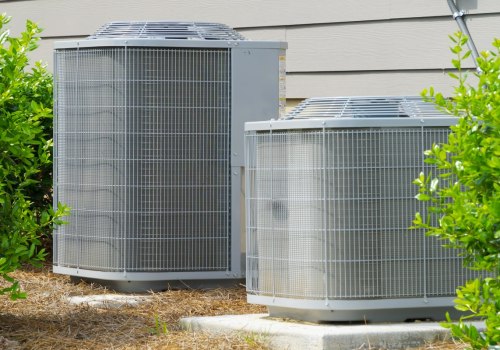
To fully grasp the complexities of air conditioning systems, it is essential to understand their fundamental components, particularly the compressor and condenser. These two parts play pivotal roles in the cooling process, and their functionality directly impacts the efficiency and longevity of your system. The compressor acts as the heart of the air conditioning unit, responsible for compressing refrigerant gas and circulating it through the system. This process is crucial for maintaining the cooling cycle, as it transforms low-pressure refrigerant into a high-pressure gas that can absorb heat from your home.On the other hand, the condenser serves as a heat exchanger, where the refrigerant releases the heat it has absorbed from inside your home to the outside environment.
As the refrigerant passes through the condenser coils, it cools down and condenses back into a liquid state, ready to return to the compressor and continue the cycle. Understanding these roles is vital when considering AC replacements, as issues with either component can lead to significant performance problems.When faced with a malfunctioning air conditioning system, homeowners often wonder whether they should replace just one component or both. This decision can be influenced by various factors, including the age of your system, the extent of damage, and potential debris left behind from a failed compressor. By comprehending how these components work together, you can make more informed decisions about repairs or replacements, ensuring that your home remains comfortable during those hot summer months.
The Role of the Compressor in Air Conditioning
The compressor is often referred to as the heart of an air conditioning system, playing a pivotal role in its overall functionality.Understanding the function of the compressor is essential for homeowners, especially when considering AC replacements.At its core, the compressor's primary function is to compress refrigerant gas and circulate it throughout the air conditioning system. This process begins when the compressor draws in low-pressure refrigerant gas from the evaporator coil. Once inside, the compressor increases the pressure of this gas, transforming it into a high-pressure gas. This high-pressure refrigerant then flows to the condenser coil, where it releases heat and condenses back into a liquid state.In addition to its role in refrigerant circulation, the compressor also helps maintain the necessary pressure levels within the system.
This pressure regulation is crucial for efficient cooling and ensures that the air conditioning unit operates effectively.
Common Causes of Compressor Failure
Despite its importance, compressors can experience failures due to various factors. Understanding these common issues can help homeowners take preventive measures:- Lack of Maintenance: Regular maintenance is vital for any HVAC system. Neglecting routine checks can lead to dirt buildup and reduced efficiency, ultimately causing compressor failure.
- Refrigerant Leaks: If there is insufficient refrigerant in the system due to leaks, the compressor has to work harder to maintain pressure, which can lead to overheating and eventual failure.
- Electrical Issues: Problems with electrical components, such as faulty wiring or capacitor issues, can prevent the compressor from starting or cause it to run inefficiently.
- Overheating: Compressors are designed to operate within specific temperature ranges. If they overheat due to poor airflow or excessive strain from other failing components, they can fail prematurely.
If it shows signs of failure or if your system is older than 10-15 years, replacing both the compressor and condenser may be a wise investment. This not only ensures compatibility but also enhances overall system efficiency and longevity.In summary, understanding the role of the compressor in your air conditioning system is vital for making informed decisions about maintenance and potential replacements. By recognizing common failure points and their implications, homeowners can better prepare for future HVAC needs.
The Function of the Condenser in Your AC System
The condenser plays a pivotal role in the operation of your air conditioning system. Its primary function is to release heat from the refrigerant, which is essential for the cooling process.When the refrigerant leaves the compressor, it is in a high-pressure gas state and carries a significant amount of heat. The condenser's job is to cool this gas down, allowing it to transform back into a liquid state before it returns to the evaporator coil to absorb more heat from your home.Understanding how the condenser works can help you appreciate its importance in maintaining system efficiency. As the hot refrigerant gas flows through the condenser coils, it comes into contact with cooler air from outside. This heat exchange process causes the refrigerant to lose its heat and condense into a liquid.
The efficiency of this process directly impacts your air conditioning system's performance; if the condenser is not functioning properly, it can lead to increased energy consumption and reduced cooling capacity.
Common Issues with Condensers
Despite their robust design, condensers can encounter several issues that may hinder their performance:- Dirty Coils: Over time, dust, dirt, and debris can accumulate on the condenser coils, obstructing airflow and reducing heat exchange efficiency. Regular cleaning is essential to maintain optimal performance.
- Refrigerant Leaks: If there is a leak in the refrigerant lines connected to the condenser, it can lead to insufficient refrigerant levels. This not only affects cooling but can also cause compressor damage if not addressed promptly.
- Fan Problems: The condenser unit typically includes a fan that helps dissipate heat. If this fan malfunctions or fails, it can lead to overheating and reduced efficiency.
- Electrical Issues: Faulty wiring or electrical components within the condenser can disrupt its operation, leading to system failures or intermittent cooling.
Regular maintenance checks by a qualified HVAC technician can help identify potential problems before they escalate into costly repairs or necessitate AC replacements.In summary, the condenser is an integral component of your air conditioning system that ensures effective heat release and overall efficiency. Understanding its function and potential issues can empower homeowners to take proactive measures in maintaining their systems.
When to Replace Your Compressor and Condenser
Determining when to replace your compressor and condenser is crucial for maintaining an efficient air conditioning system. Several indicators can help you assess whether it’s time for AC replacements, ensuring you make informed decisions that enhance your home’s comfort.Signs That Indicate a Compressor Replacement
- Frequent Breakdowns: If your compressor is breaking down often, it may be a sign of underlying issues that could warrant a replacement. Frequent repairs can add up quickly, making a new unit a more cost-effective solution.
- Increased Energy Bills: A sudden spike in your energy bills can indicate that your compressor is struggling to operate efficiently.
If the unit is working harder than it should, it may be time to consider a replacement.
- Unusual Noises: Strange sounds such as grinding, squealing, or clanking can signal mechanical failure within the compressor. If these noises persist, replacing the unit may be necessary to avoid further damage.
- Age of the Unit: Compressors typically last around 10-15 years. If your unit is approaching or exceeding this age, it may be wise to consider a replacement, especially if you’re experiencing other issues.
Indicators for Condenser Replacement
- Visible Damage: Inspect your condenser for any visible signs of damage, such as dents or corrosion. Physical damage can affect performance and may necessitate a replacement.
- Poor Cooling Performance: If your air conditioning system is not cooling effectively, the condenser could be at fault.
A failing condenser can lead to inadequate heat exchange, resulting in poor system performance.
- Refrigerant Leaks: If you notice refrigerant leaks around the condenser, this could indicate a serious issue. Leaks not only reduce efficiency but can also lead to compressor failure if not addressed promptly.
- Age and Compatibility: Similar to compressors, condensers have a lifespan of about 10-15 years. If your condenser is old and you’re considering replacing the compressor, it might be more beneficial to replace both components simultaneously for optimal performance.
The Cost Considerations of Replacing AC Components
When it comes to AC replacements, understanding the financial implications of replacing key components like the compressor and condenser is crucial for homeowners.Each component carries its own set of costs, and knowing these can help you make informed decisions.
Cost of Compressor Replacement
The compressor is often considered the heart of your air conditioning system, and its replacement can be a significant expense. On average, the cost of a new compressor ranges from $1,200 to $2,500, depending on the brand and model. This price typically includes the part itself as well as labor costs, which can add another $300 to $800 to your total bill. Factors influencing these costs include:
- Brand and Model: Premium brands may charge more for their compressors.
- System Type: Central air systems may have different pricing compared to ductless mini-splits.
- Location: Labor rates can vary significantly based on geographic location.
Cost of Condenser Replacement
Replacing the condenser can also be a hefty investment.
The cost for a new condenser typically falls between $1,000 and $2,500, similar to that of a compressor. Labor costs for installation usually range from $300 to $600. Key factors affecting these costs include:
- Size and Efficiency: Larger or more energy-efficient models tend to be pricier.
- Compatibility: Ensuring compatibility with existing systems may require additional modifications.
- Seasonal Demand: Prices may fluctuate based on the time of year; peak summer months often see higher rates.
Potential Savings from Replacing Both Components
If you find yourself needing to replace both the compressor and condenser, consider the potential savings of doing so simultaneously. While the upfront cost may seem daunting—averaging between $2,500 and $5,000—it can save you money in the long run.
Here’s why:
- Reduced Labor Costs: Many HVAC technicians offer discounts for combined services, meaning you could save on labor by having both components replaced at once.
- Avoiding Future Repairs: Replacing both parts together minimizes the risk of future breakdowns caused by debris left in the system from a failed compressor.
- Improved Efficiency: Newer models often come with enhanced energy efficiency ratings, leading to lower utility bills over time.
Benefits of Replacing Both Compressor and Condenser Together
When considering AC replacements, one of the most significant decisions homeowners face is whether to replace both the compressor and condenser simultaneously. While it may seem like an added expense, there are numerous benefits to opting for a dual replacement that can lead to long-term savings and improved system performance.1.Enhanced Efficiency
Replacing both the compressor and condenser at the same time can significantly enhance the overall efficiency of your air conditioning system. When these components are new and compatible, they work together seamlessly, allowing for optimal refrigerant flow and heat exchange. This synergy not only improves cooling performance but also reduces energy consumption, leading to lower utility bills.
2.Reduced Risk of Future Failures
One of the primary reasons for replacing both components together is to mitigate the risk of future failures.
A failing compressor can introduce debris into the system, which may compromise the condenser's functionality. By replacing both parts, you eliminate the potential for this debris to cause further damage, ensuring that your new compressor operates efficiently without being hindered by a compromised condenser.
3.Cost-Effectiveness
While the upfront cost of replacing both components may seem high, it can be more cost-effective in the long run. If you were to replace only the compressor now and face issues with the condenser later, you would incur additional labor costs and potential downtime. By addressing both components at once, you save on labor costs and avoid the hassle of multiple service calls.
4.Improved Comfort Levels
A new compressor and condenser can significantly enhance your home's comfort levels.
An efficient system will maintain consistent temperatures throughout your home, reducing hot or cold spots that can occur with older systems. This improvement in comfort is particularly beneficial during extreme weather conditions when reliable cooling is essential.
5.Increased System Lifespan
Investing in a dual replacement can extend the lifespan of your air conditioning system. New components are less likely to fail prematurely, allowing your entire system to operate more reliably over time. This longevity means you can enjoy a comfortable home without frequent repairs or replacements.In conclusion, while it may be tempting to replace only one component of your air conditioning system, opting for a simultaneous replacement of both the compressor and condenser offers numerous advantages.
From enhanced efficiency and reduced risk of future failures to improved comfort levels and increased system lifespan, this decision can lead to significant long-term savings and peace of mind for homeowners.
Assessing the Age and Condition of Your AC System
When it comes to making decisions about your air conditioning system, understanding its age and condition is crucial. The lifespan of an air conditioning unit typically ranges from 10 to 15 years, depending on various factors such as usage, maintenance, and the quality of the installation. Knowing how old your system is can significantly influence whether you should consider AC replacements or simply repair existing components.Evaluating the Age of Your AC System
- Check the Manufacturer's Label: Most air conditioning units have a label that indicates the manufacturing date. This label is usually found on the outdoor condenser unit.
If you can't find it, you can also look up the model number online to determine its age.
- Consider the Installation Date: If you are unsure about the manufacturing date, consider when the unit was installed. If it has been in service for over a decade, it may be time to start thinking about a replacement.
- Review Maintenance Records: Regular maintenance can extend the life of your AC system. Check your maintenance records to see how often your system has been serviced and if any major repairs have been made.
Assessing the Condition of Your AC System
Once you have determined the age of your air conditioning system, it's essential to assess its current condition. Here are some key indicators to look for:
- Performance Issues: If your AC struggles to cool your home effectively or frequently cycles on and off, these could be signs of underlying problems that may warrant a replacement.
- Increased Energy Bills: A sudden spike in energy costs can indicate that your system is working harder than it should be, often due to inefficiencies associated with older units.
- Noisy Operation: Unusual sounds such as grinding, squealing, or banging can signal mechanical issues that may require costly repairs or a full replacement.
- Frequent Repairs: If you find yourself calling for repairs multiple times a year, it might be more economical in the long run to invest in a new system rather than continuing to patch up an aging unit.
Consulting with a qualified HVAC technician can provide additional insights tailored to your specific situation, ensuring that you choose the best path forward for your home comfort needs.
Consulting with HVAC Professionals: What to Expect
When it comes to making informed decisions about your air conditioning system, consulting with HVAC professionals is an essential step. Homeowners should approach this process with a clear understanding of what to expect during the consultation. This not only helps in making educated choices regarding AC replacements but also ensures that you receive tailored advice suited to your specific needs.Initial Assessment
The first part of the consultation typically involves an initial assessment of your current air conditioning system. The HVAC technician will examine various components, including:
- The age and condition of the compressor and condenser
- Refrigerant levels and potential leaks
- Overall system efficiency and performance
- Any visible signs of wear or damage
Discussion of Options
After the assessment, the HVAC professional will discuss your options.
This is a crucial moment where you can ask questions and express any concerns you may have. Key points to cover include:
- The necessity of replacing both the compressor and condenser versus just one component
- The potential benefits of upgrading to a more energy-efficient model
- Cost estimates for repairs versus full system replacement
- Financing options or available rebates for new installations
Long-Term Considerations
A reputable HVAC technician will also help you consider long-term implications. They may discuss:
- The expected lifespan of your current system versus a new installation
- Energy savings associated with newer models
- The impact on home comfort and air quality
Final Recommendations
At the end of the consultation, the HVAC professional will provide their recommendations based on their findings and your preferences. It’s important to take this advice seriously, as they possess the expertise needed to guide you through the complexities of AC replacements.
Remember, investing in professional assessment can save you time, money, and stress in the long run.
Common Myths About AC Replacements Debunked
When it comes to AC replacements, there are numerous myths and misconceptions that can cloud homeowners' judgment. Understanding the truth behind these myths is essential for making informed decisions about your air conditioning system.- Myth 1: You Always Need to Replace Both the Compressor and Condenser
Many believe that if one component fails, the other must be replaced as well. While it’s true that replacing both can prevent future issues, it’s not a hard and fast rule. If the condenser is in good condition and free of debris, you may only need to replace the compressor. - Myth 2: All AC Units Are Created Equal
Not all air conditioning systems are designed the same way.Different brands and models have varying efficiencies, lifespans, and compatibility with existing components. It’s crucial to consult with a professional to determine the best fit for your home.
- Myth 3: A New Compressor Will Always Solve Your Problems
While a new compressor can resolve certain issues, it may not address underlying problems within the system. For instance, if there are leaks or other mechanical failures, simply replacing the compressor could lead to further complications down the line. - Myth 4: DIY Replacements Are Cost-Effective
Some homeowners consider replacing their AC components themselves to save money. However, without proper training and tools, DIY replacements can lead to improper installations, which may result in more costly repairs later on. - Myth 5: Older Units Are Always Better Off Being Repaired
While repairing an older unit might seem like a cost-effective solution, it’s important to consider its age and efficiency.If your system is over 15 years old, investing in a new unit may provide better energy efficiency and lower utility bills in the long run.
Conclusion: Making Informed Decisions About Your AC System
In conclusion, navigating the complexities of AC replacements requires a thorough understanding of your air conditioning system's components and their interdependencies. As we have discussed, the decision to replace either the compressor or the condenser—or both—should not be taken lightly. Each component plays a vital role in the overall efficiency and functionality of your system.When faced with a compressor failure, it is essential to consider the potential implications for the condenser.Debris left behind from a malfunctioning compressor can lead to further complications if not addressed. Therefore, replacing both components simultaneously can often be a prudent choice, ensuring that your new compressor operates optimally without the risk of contamination from the old unit.Moreover, the age of your air conditioning system is a critical factor in making informed decisions. If your system is nearing or has surpassed the 15-year mark, it may be more beneficial to invest in a complete system replacement rather than piecemeal repairs. A new system not only enhances efficiency but also provides improved comfort and reliability for your home.Cost considerations also play a significant role in this decision-making process.
While replacing a compressor can be costly, it is crucial to weigh this against the potential expenses of ongoing repairs and inefficiencies associated with an aging system. Consulting with a qualified HVAC technician can provide valuable insights tailored to your specific situation, helping you make an informed choice that aligns with your budget and comfort needs.Ultimately, understanding when and why to replace components in your air conditioning system empowers you as a homeowner. By taking the time to evaluate your options and seek professional advice, you can ensure that your investment leads to long-term satisfaction and comfort in your living space.