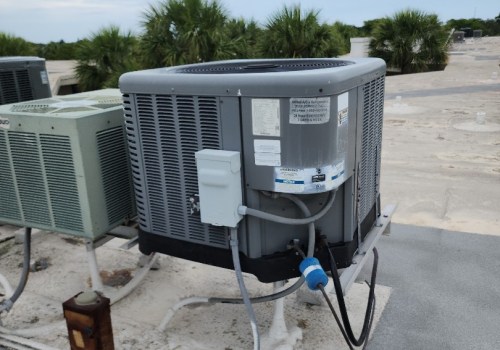
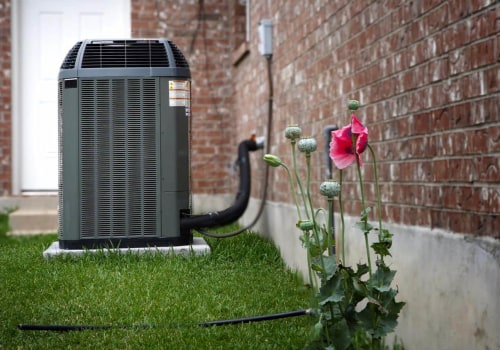
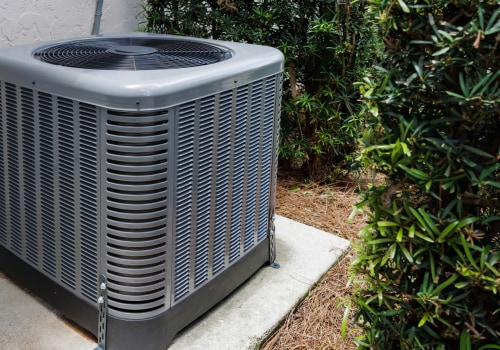
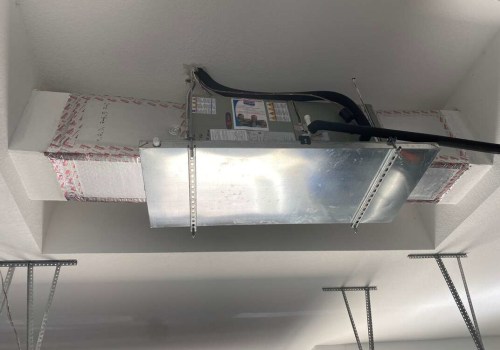
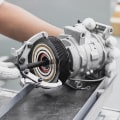
To make an informed decision about whether to replace just the compressor or the entire AC unit, it is essential to understand how air conditioning systems operate and the key components involved. An air conditioning unit is a complex system designed to regulate indoor temperatures by removing heat and humidity from the air. The primary components of an AC system include the compressor, condenser, evaporator coil, expansion valve, and refrigerant. Each of these parts plays a crucial role in ensuring that your home remains cool and comfortable during the sweltering summer months.The compressor is often referred to as the heart of the AC system.
It compresses the refrigerant and circulates it through the system, allowing heat to be absorbed from inside your home and released outside. The condenser , located outside, dissipates this heat into the atmosphere, while the evaporator coil , found indoors, absorbs heat from the air in your home. The expansion valve regulates the flow of refrigerant into the evaporator coil, ensuring that it operates efficiently. Understanding these components is vital because when one part fails, it can affect the entire system's performance.Moreover, knowing how these components work together helps homeowners recognize signs of potential issues.
For instance, if your compressor is malfunctioning, it may lead to inadequate cooling or increased energy bills. In contrast, if other components are also aging or failing, it might indicate that replacing the entire system could be more cost-effective in the long run. By grasping the intricacies of your AC unit's operation and its components, you can better assess whether a simple compressor replacement will suffice or if a full system replacement is warranted.
Signs Your AC Unit Needs Replacement
Recognizing the signs that your air conditioning unit may need replacement is crucial for maintaining a comfortable home environment. Ignoring these indicators can lead to more significant issues and higher costs down the line.Here are some key signs to watch for:
- Age of the Unit: If your AC unit is over 10 years old, it’s time to start considering a replacement. Most air conditioning systems have a lifespan of 15 to 20 years, and as they age, their efficiency tends to decline.
- Frequent Repairs: If you find yourself calling for repairs multiple times a year, it may be more cost-effective to invest in a new system. Frequent breakdowns can indicate that your unit is nearing the end of its life.
- Rising Energy Bills: A sudden spike in your energy bills can be a sign that your AC unit is working harder than it should. This inefficiency often results from wear and tear on the system, which can be a precursor to failure.
- Inconsistent Temperatures: If certain rooms in your home are warmer or cooler than others, it could indicate that your AC unit is struggling to maintain consistent temperatures.
This inconsistency can stem from various issues, including duct problems or an aging compressor.
- Unusual Noises: Sounds such as grinding, squealing, or banging can signal serious mechanical issues within your AC unit. These noises often indicate that components are failing and may require replacement.
- Refrigerant Leaks: If you notice any signs of refrigerant leaks, such as puddles around your unit or a hissing sound, it’s essential to address this immediately. Low refrigerant levels can lead to inadequate cooling and further damage to the system.
- Humidity Issues: An effective air conditioning system should help regulate humidity levels in your home. If you notice excessive humidity or dampness indoors, it may be time to consider replacing your unit.
Early detection of these indicators can save you money and ensure that your home remains comfortable throughout the warmer months.
The Role of the Compressor in Your AC System
The compressor is often referred to as the heart of your air conditioning system, and for good reason. It plays a crucial role in the cooling process by compressing refrigerant gas and circulating it through the system. This process not only helps to cool the air inside your home but also ensures that the entire AC unit operates efficiently.Function of the Compressor
At its core, the compressor's primary function is to increase the pressure of the refrigerant gas. When the refrigerant enters the compressor, it is in a low-pressure gaseous state.
The compressor then compresses this gas, raising its pressure and temperature before sending it to the condenser coils. Here, the refrigerant releases heat and transforms into a liquid state, which is essential for the cooling cycle to continue.This cycle is vital for maintaining a comfortable indoor environment, as it allows for effective heat exchange. Without a functioning compressor, your AC system cannot cool your home effectively, leading to discomfort and increased energy costs.
Importance of a Well-Functioning Compressor
A well-functioning compressor is essential not only for cooling efficiency but also for the longevity of your entire AC system. If the compressor fails, it can lead to a cascade of issues throughout your unit.
For instance, a malfunctioning compressor can cause excessive wear on other components, such as the evaporator and condenser coils, leading to more extensive repairs or even complete system failure.
Common AC Compressor Issues
- Refrigerant Leaks: One of the most common issues with compressors is refrigerant leaks. These can occur due to wear and tear or damage to the compressor itself. Low refrigerant levels can lead to inadequate cooling and increased energy consumption.
- Electrical Failures: The compressor relies on electrical components to function properly. Issues such as faulty wiring or blown fuses can prevent the compressor from starting or operating efficiently.
- Overheating: If a compressor overheats, it can lead to severe damage.
This can be caused by insufficient lubrication, blocked airflow, or excessive strain from an overworked system.
- Noisy Operation: Unusual noises coming from your AC unit can indicate problems with the compressor. Sounds like grinding or clanking may suggest internal damage that requires immediate attention.
Cost Analysis: Replacing the Compressor vs. the Entire System
When considering AC replacements, one of the most critical factors is the cost associated with either replacing just the compressor or the entire air conditioning system.Understanding these costs can significantly influence your decision-making process.Replacing a compressor typically ranges from $1,500 to $2,500 , depending on the brand and model of your AC unit. This price includes labor, which can account for a significant portion of the total cost. Additionally, if your compressor is under warranty, you may only need to pay for labor, which can reduce your expenses considerably.On the other hand, replacing the entire AC system can be a much larger financial commitment. The average cost for a complete system replacement can range from $3,500 to $7,500 , depending on various factors such as:
- System Size: Larger systems designed to cool bigger spaces will naturally cost more.
- Energy Efficiency: Higher SEER (Seasonal Energy Efficiency Ratio) ratings often come with a higher price tag but can lead to long-term savings on energy bills.
- Installation Complexity: If your home requires additional ductwork or modifications, installation costs will increase.
A new system typically comes with a warranty that can last up to 10 years or more, providing peace of mind against future repairs. In contrast, an older system may continue to incur repair costs even after replacing the compressor.Moreover, if your current AC unit is over 10 years old and requires a compressor replacement, it may be nearing the end of its lifespan. In such cases, investing in a new system could be more economical in the long run. Frequent repairs can add up quickly and may lead to unexpected expenses that outweigh the initial savings from replacing just the compressor.Ultimately, when evaluating cost comparison, it’s crucial to assess not only the upfront costs but also potential future expenses and energy efficiency benefits.
Consulting with an HVAC professional can provide tailored insights based on your specific situation and help you make an informed decision.
Lifespan and Efficiency Considerations
Understanding the lifespan of your air conditioning unit is crucial for making informed decisions about repairs and replacements. On average, most AC units have a lifespan of 15 to 20 years. However, this can vary significantly based on factors such as usage, maintenance, and the quality of the installation. A well-maintained system can often last longer, while one that has been neglected may fail much sooner.The compressor, being one of the most vital components of an AC system, typically has a lifespan that aligns closely with that of the entire unit.If your compressor is showing signs of wear and your system is approaching the 10-year mark, it may be time to consider whether a full replacement is more cost-effective than just replacing the compressor.
Efficiency of New Systems
When contemplating AC replacements, efficiency is a key consideration. Newer air conditioning systems are designed with advanced technology that significantly improves energy efficiency compared to older models. For instance, modern units often feature higher SEER (Seasonal Energy Efficiency Ratio) ratings, which indicate better energy performance. Upgrading to a new system can lead to substantial savings on your energy bills, sometimes reducing costs by up to 30-50% .Old vs New AC Units
Comparing old and new AC units reveals stark differences not only in efficiency but also in environmental impact.Older units tend to use refrigerants that are harmful to the ozone layer, while newer models utilize eco-friendly alternatives. Additionally, advancements in technology have led to quieter operation and improved air quality features in new systems.Ultimately, when deciding between repairing an old unit or investing in a new one, consider both the cost of repairs and the potential savings from increased efficiency. If your current system is over 10 years old and requires significant repairs, it may be more prudent to invest in a new unit that will provide reliable service for years to come.In summary, understanding the lifespan and efficiency considerations of your AC unit can guide you in making a decision that not only meets your immediate needs but also supports long-term comfort and savings.
Environmental Impact of AC Replacements
When considering AC replacements, it is essential to evaluate the environmental impact of your decision. Air conditioning units are significant contributors to energy consumption and greenhouse gas emissions, making it crucial to choose options that minimize harm to the planet.One of the primary environmental concerns associated with AC units is the type of refrigerant they use.Traditional refrigerants, such as R-22 (Freon), have been found to deplete the ozone layer and contribute to global warming. As a result, many countries have phased out these harmful substances in favor of more eco-friendly alternatives. For instance, R-410A is a popular replacement that does not harm the ozone layer, but it still has a high global warming potential. Newer refrigerants like R-32 and R-454B are being introduced, which offer lower global warming potential and improved energy efficiency.When replacing an AC unit or compressor, consider opting for models that utilize these advanced refrigerants.
Not only do they have a reduced environmental impact, but they also often provide better energy efficiency, which can lead to lower utility bills and a smaller carbon footprint over time.In addition to refrigerant considerations, energy efficiency ratings play a vital role in determining the environmental impact of your AC system. The Seasonal Energy Efficiency Ratio (SEER) measures how efficiently an air conditioning unit operates over a typical cooling season. Higher SEER ratings indicate greater efficiency, meaning less energy consumption and reduced emissions. When selecting a new unit, look for models with a SEER rating of 16 or higher to ensure you are making an environmentally responsible choice.Furthermore, many manufacturers are now focusing on sustainable practices in their production processes.
This includes using recyclable materials and reducing waste during manufacturing. By choosing brands that prioritize sustainability, you can further lessen your environmental impact.Lastly, regular maintenance of your AC system can also contribute to its overall efficiency and longevity. Keeping your unit clean and well-maintained ensures it operates at peak performance, reducing energy consumption and extending its lifespan. This proactive approach not only benefits the environment but also saves you money in the long run.In conclusion, when contemplating AC replacements, it is vital to consider the environmental implications of your choices.
By selecting eco-friendly refrigerants, prioritizing energy-efficient models, and supporting sustainable manufacturing practices, you can make a positive impact on the environment while enjoying a comfortable indoor climate.
FAQs About AC Unit Replacement Decisions
When considering AC replacements, many homeowners have questions about the best course of action. Below are some frequently asked questions that can help clarify your options and guide your decision-making process.1.What are the signs that my AC unit needs replacement?
Several indicators suggest it might be time for a replacement:- Age of the Unit: If your air conditioning system is over 10-15 years old, it may be nearing the end of its lifespan.
- Frequent Repairs: If you find yourself calling for repairs multiple times a year, it may be more cost-effective to replace the unit.
- Increased Energy Bills: A sudden spike in your energy costs can indicate that your AC unit is working harder than it should, often due to inefficiency.
- Inconsistent Temperatures: If certain rooms are warmer or cooler than others, this could signal a failing system.
2.Should I replace just the compressor or the entire system?
This decision largely depends on the age and condition of your current system. If your compressor fails and your unit is older than 10 years, replacing the entire system may be more beneficial in the long run. A new system will not only provide better efficiency but also come with a warranty, offering peace of mind.3.How much does it cost to replace an AC unit?
The cost of replacing an AC unit can vary widely based on several factors, including:- Type of System: Central air conditioning systems typically cost more than window units or ductless systems.
- Installation Complexity: If additional ductwork or electrical work is needed, this can increase installation costs.
- Brand and Efficiency Ratings: Higher efficiency models may have a higher upfront cost but can save you money on energy bills over time.
4.What should I look for in a new AC unit?
When shopping for a new air conditioning system, consider the following:- Energy Efficiency Ratio (EER): Look for units with high EER ratings to ensure lower energy consumption.
- Warranty Options: A good warranty can protect you from unexpected repair costs.
- Size and Capacity: Ensure that the unit is appropriately sized for your home to maximize efficiency and comfort.
Conclusion: Making the Right Choice for Your Home's Comfort
In conclusion, the decision between replacing just the compressor or the entire AC system is not one to be taken lightly.Each option carries its own set of advantages and disadvantages, and understanding these can significantly impact your home's comfort and your wallet.When considering AC replacements , it’s essential to evaluate the age of your current system. If your air conditioning unit is approaching or has surpassed the 10-year mark, it may be more prudent to invest in a new system rather than pouring money into a compressor replacement. A new unit not only offers improved energy efficiency but also comes with modern features that can enhance your comfort.Additionally, think about the overall condition of your AC system. If you’ve been experiencing multiple issues, such as refrigerant leaks or inconsistent cooling, these could be signs that other components are also nearing failure.
In such cases, replacing the entire system might save you from ongoing repair costs and provide peace of mind.Moreover, consider the long-term financial implications. While replacing a compressor may seem like a less expensive option upfront, it could lead to higher energy bills and more frequent repairs down the line. On the other hand, investing in a new system can lead to significant savings on energy costs due to improved efficiency.Finally, don’t hesitate to consult with a professional HVAC technician. They can provide valuable insights tailored to your specific situation, helping you weigh the pros and cons of each option based on your home’s unique needs.Ultimately, making an informed decision about AC replacements will ensure that you maintain a comfortable living environment while also protecting your investment in your home.
Take the time to assess all factors involved, and choose wisely for your family's comfort and well-being.