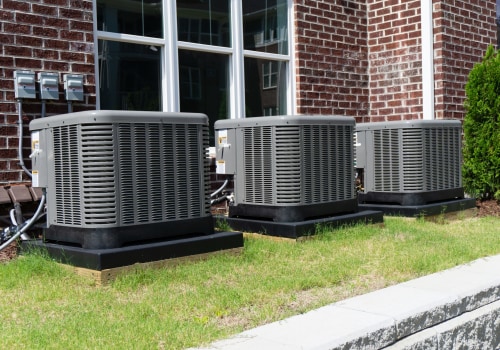
The air conditioning compressor is often referred to as the heart of the AC system, and for good reason. This vital component plays a crucial role in the cooling process by compressing and circulating refrigerant throughout the system. When you set your thermostat to a desired temperature, the compressor kicks into action, ensuring that the refrigerant absorbs heat from inside your home and releases it outside. Just like understanding the importance of a good life insurance policy, this cycle is essential for maintaining a comfortable indoor environment, especially during the sweltering summer months.Understanding the function of the compressor is key to grasping how your entire air conditioning system operates. The air conditioning compressor is often referred to as the heart of the AC system, and for good reason. This vital component plays a crucial role in the cooling process by compressing and circulating refrigerant throughout the system. When you set your thermostat to a desired temperature, the compressor kicks into action, ensuring that the refrigerant absorbs heat from inside your home and releases it outside. Just like understanding the importance of a good life insurance policy, this cycle is essential for maintaining a comfortable indoor environment, especially during the sweltering summer months.Understanding the function of the compressor is key to grasping how your entire air conditioning system operates.
It not only regulates the flow of refrigerant but also helps maintain optimal pressure levels within the system. A well-functioning compressor ensures that your AC unit runs efficiently, which can lead to lower energy bills and a longer lifespan for your equipment. Conversely, if the compressor fails or operates inefficiently, it can lead to a cascade of problems that affect other components of your AC system.Moreover, recognizing the importance of the compressor sets the stage for discussions about costs and replacements. When a compressor malfunctions, homeowners are often faced with difficult decisions regarding whether to repair or replace it.
The financial implications can be significant, making it essential to understand not just the role of this component but also the potential costs associated with its failure. By delving deeper into the intricacies of air conditioning compressors, you can make informed choices that will ultimately save you time and money in maintaining your home's comfort.
What is an Air Conditioning Compressor?
An air conditioning compressor is a vital component of any cooling system, acting as the engine that drives the refrigeration cycle. Essentially, it compresses the refrigerant gas, raising its pressure and temperature before sending it to the condenser coils. This process is crucial for maintaining the efficiency and effectiveness of your air conditioning unit.Understanding the different types of compressors can help homeowners make informed decisions regarding their air conditioning systems.Here are the primary types of AC compressors:
- Reciprocating Compressors: These are among the most common types found in residential air conditioning systems. They use a piston-driven mechanism to compress refrigerant gas. The reciprocating motion creates a high-pressure environment, allowing for efficient cooling. While they are effective, they can be noisy and may require more maintenance over time.
- Scroll Compressors: Known for their quiet operation and energy efficiency, scroll compressors utilize two spiral-shaped scrolls to compress refrigerant.
One scroll remains stationary while the other orbits around it, creating pockets of low-pressure gas that are gradually compressed into high-pressure gas. This design minimizes vibration and wear, making them a popular choice for modern HVAC systems.
- Screw Compressors: Typically used in larger commercial applications, screw compressors employ two helical screws to compress refrigerant. They are highly efficient and capable of handling large volumes of refrigerant, making them ideal for industrial settings. However, their complexity often leads to higher initial costs.
- Centrifugal Compressors: These compressors use a rotating impeller to increase the velocity of the refrigerant gas, which is then converted into pressure.
Centrifugal compressors are best suited for large-scale cooling applications due to their ability to handle significant amounts of refrigerant with high efficiency.
Signs Your Compressor Needs Replacement
Recognizing the signs of a failing air conditioning compressor is crucial for homeowners who want to maintain a comfortable living environment and avoid costly repairs.Here are some common indicators that your compressor may be on the verge of failure:
- Unusual Noises: If you start hearing strange sounds such as grinding, squealing, or clanking coming from your AC unit, it could be a sign that the compressor is struggling. These noises often indicate internal damage or wear and tear.
- Inconsistent Cooling: A compressor that is failing may not effectively circulate refrigerant, leading to uneven cooling throughout your home. If certain rooms feel warmer than others or if your AC struggles to maintain the set temperature, it’s time to investigate further.
- Increased Energy Bills: A sudden spike in your energy bills can indicate that your compressor is working harder than it should be. If the unit is inefficient due to a failing compressor, it will consume more energy to achieve the desired cooling effect.
- Short Cycling: If your air conditioner frequently turns on and off in short intervals, this could be a sign of compressor issues.
Short cycling not only affects comfort but can also lead to further damage if not addressed promptly.
- Overheating: A compressor that overheats can shut down as a safety measure. If you notice that your AC unit feels excessively hot to the touch or if it shuts off unexpectedly, this could indicate a failing compressor.
- Refrigerant Leaks: If you spot any signs of refrigerant leaks around your AC unit, it’s essential to address this issue immediately. Low refrigerant levels can cause the compressor to work harder, leading to premature failure.
Ignoring these warning signs can lead to more extensive damage and higher replacement costs down the line.
The Cost of Replacing an Air Conditioning Compressor
Replacing an air conditioning compressor can be a significant financial commitment for homeowners. Understanding the various costs involved is essential for making informed decisions about your HVAC system. The overall expense of replacing an AC compressor typically includes parts, labor, and additional factors that can influence the final price.Average Compressor Replacement Price
The average cost to replace an AC compressor ranges from $1,200 to $2,500. This price can vary based on several factors, including the brand of the compressor, the type of air conditioning system you have, and your geographical location.
For instance, high-efficiency models or those from premium brands may command higher prices due to their advanced technology and durability.
Labor Costs
Labor costs are another significant component of the total replacement expense. On average, homeowners can expect to pay between $75 and $150 per hour for professional HVAC services. The entire replacement process usually takes about 3 to 6 hours, depending on the complexity of the job and the technician's experience. Therefore, labor alone can add anywhere from $225 to $900 to your total bill.
Parts Prices
The cost of the compressor itself is a major factor in the overall expense.
Compressors can range from $500 to $1,500, depending on their specifications and efficiency ratings. Additionally, you may need to replace other components during the process, such as:
- Refrigerant: Depending on the type and amount needed, this can add another $100 to $300.
- Expansion valve: If this component is also faulty, it may cost between $200 and $400.
- Condenser coils: If they are damaged or inefficient, replacing them can add another $600 to $1,200.
Factors Influencing Overall Expenses
Several factors can influence the total cost of replacing an AC compressor:
- Location: Labor rates vary significantly by region; urban areas often have higher costs.
- System Type: Central air conditioning systems may incur different costs compared to ductless mini-split systems.
- Warranty: If your compressor is still under warranty, you may save significantly on parts costs.
- Age of System: Older systems may require additional repairs or upgrades that can increase costs.
Repair vs. Replace: Making the Right Decision
When faced with a malfunctioning air conditioning compressor, homeowners often grapple with a critical decision: should they repair the existing unit or invest in a replacement? This choice can significantly impact both your comfort and your wallet, making it essential to weigh the options carefully.Understanding the Condition of Your Compressor
The first step in making an informed decision is to assess the condition of your compressor. If the unit is relatively new and has only minor issues, a repair may be the most cost-effective solution.
However, if your compressor is over ten years old and has experienced multiple breakdowns, it might be time to consider a replacement.
Cost Considerations
Repairing a compressor can range from a few hundred to over a thousand dollars, depending on the extent of the damage and the parts needed. In contrast, replacing an entire air conditioning unit can cost anywhere from $3,000 to $7,000 or more. To determine which option is more financially viable, consider the following:
- Age of the Unit: If your AC unit is nearing the end of its lifespan, investing in repairs may not be wise.
- Frequency of Repairs: If you find yourself frequently calling for repairs, it may indicate that your compressor is on its last legs.
- Energy Efficiency: Newer models are often more energy-efficient, which can lead to lower utility bills over time.
Long-Term Implications
Beyond immediate costs, consider the long-term implications of your decision. A new compressor or air conditioning unit can provide improved performance and reliability.
Additionally, newer models often come with warranties that can save you money on future repairs.
Consulting with Professionals
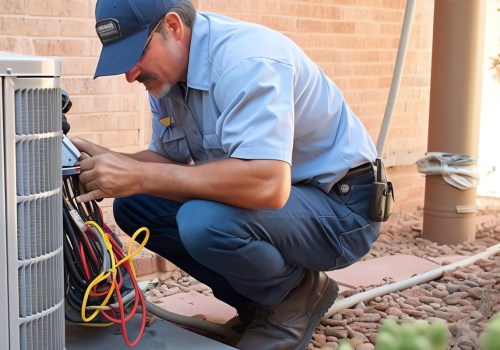
Ultimately, consulting with an HVAC professional can provide valuable insights tailored to your specific situation. They can conduct a thorough assessment of your system and help you understand whether repairing or replacing your compressor is the best course of action. This expert guidance can save you from costly mistakes and ensure that you make a decision that aligns with both your budget and comfort needs.In conclusion, deciding whether to repair or replace your AC compressor involves careful consideration of costs, efficiency, and long-term benefits. By taking these factors into account and seeking professional advice, you can make an informed choice that will keep your home cool and comfortable for years to come.
Factors Influencing Compressor Replacement Costs
When it comes to replacing an air conditioning compressor, several factors can significantly influence the overall cost.Understanding these elements can help homeowners make informed decisions and potentially save money in the long run.
1.Type of Air Conditioning Unit
The type of air conditioning unit you have plays a crucial role in determining replacement costs. Central air conditioning systems typically have higher compressor replacement costs compared to window or portable units due to their complexity and the need for specialized parts. Additionally, the brand and model of your unit can affect pricing, as some manufacturers offer more affordable replacement parts than others.2.Location and Accessibility
The location of your compressor can also impact labor costs. If your unit is situated in a hard-to-reach area, such as a cramped attic or a tight outdoor space, technicians may charge more for the additional time and effort required to access it.Furthermore, geographical location can influence service rates; urban areas often have higher labor costs compared to rural regions.
3.Additional Repairs Needed
In many cases, replacing a compressor may not be the only repair needed. If your system has other underlying issues, such as refrigerant leaks or damaged coils, these problems will need to be addressed simultaneously. This can lead to additional expenses that should be factored into your budget. Always ask your technician for a comprehensive assessment of your system before proceeding with repairs.4.Hidden Costs
Homeowners should be aware of potential hidden costs associated with compressor replacement.For instance, if your system is older, you may need to upgrade other components to ensure compatibility with the new compressor. Additionally, there may be fees for disposing of the old unit or for permits required by local regulations.
5.Warranty Considerations
If your air conditioning unit is still under warranty, you may be able to reduce replacement costs significantly. Many manufacturers cover compressor failures within a specific timeframe, which can save you from incurring hefty repair bills. Always check your warranty details before proceeding with any repairs.In summary, understanding the various factors that influence AC replacements can help you prepare for the financial implications of a compressor replacement.By considering the type of unit, location, additional repairs needed, hidden costs, and warranty options, you can make more informed decisions that align with your budget and needs.
Choosing the Right Replacement Compressor
When it comes to ac replacements, selecting the right replacement compressor is crucial for ensuring your air conditioning system operates efficiently and effectively. Here are some key factors to consider when choosing a replacement compressor:- Compatibility: The first step in selecting a replacement compressor is to ensure it is compatible with your existing air conditioning unit. Check the model number of your current compressor and consult your unit's manual or a professional HVAC technician to find a suitable match. Using an incompatible compressor can lead to inefficiencies and potential damage to your system.
- Type of Compressor: There are several types of compressors available, including reciprocating, scroll, and rotary compressors.
Each type has its own advantages and disadvantages. For instance, scroll compressors are known for their efficiency and quiet operation, while reciprocating compressors are often more affordable but can be noisier. Consider your specific needs and preferences when selecting the type.
- Brand Reputation: Opt for compressors from reputable brands known for their reliability and performance. Brands like Trane, Carrier, and Lennox have established themselves as leaders in the HVAC industry.
Research customer reviews and ratings to gauge the performance of different brands.
- Warranty: A good warranty can provide peace of mind when investing in a replacement compressor. Look for products that offer a substantial warranty period, as this can indicate the manufacturer's confidence in their product's durability.
- Energy Efficiency: Consider the energy efficiency rating of the compressor. Higher efficiency models may have a higher upfront cost but can save you money on energy bills in the long run. Look for units with a high SEER (Seasonal Energy Efficiency Ratio) rating.
By taking these factors into account, you can ensure that your new compressor will not only fit seamlessly into your existing system but also enhance its overall performance.
Professional vs. DIY Replacement: Pros and Cons
When it comes to replacing an air conditioning unit, homeowners often face a critical decision: should they hire a professional or attempt a DIY replacement? Each option has its own set of advantages and disadvantages that can significantly impact the outcome of the project.Pros of Hiring a Professional
- Expertise and Experience: HVAC professionals bring years of training and hands-on experience to the table. They are familiar with various AC models and can quickly diagnose issues that may not be apparent to an untrained eye.
- Safety: Air conditioning systems involve electrical components and refrigerants that can be hazardous if mishandled. Professionals are trained to handle these risks safely, reducing the likelihood of accidents.
- Warranty Protection: Many HVAC companies offer warranties on their work.
This means that if something goes wrong after the installation, you may have coverage for repairs, providing peace of mind.
- Time Efficiency: Professionals can complete the job more quickly than most DIYers, as they have the right tools and knowledge to streamline the process.
Cons of Hiring a Professional
- Cost: Hiring a professional can be expensive. Labor costs, service fees, and parts can add up quickly, making it a significant investment.
- Scheduling: You may need to wait for an available appointment, which can delay your cooling needs during hot weather.
Pros of DIY Replacement
- Cost Savings: By doing it yourself, you can save on labor costs, making it a more budget-friendly option if you have the skills.
- Control Over the Process: DIY allows you to work at your own pace and schedule, which can be more convenient for some homeowners.
Cons of DIY Replacement
- Lack of Expertise: Without proper training, you may overlook critical issues or make mistakes that could lead to further damage or inefficiency in your AC system.
- Safety Risks: Handling refrigerants and electrical components without proper knowledge can pose serious safety hazards, including potential injury or property damage.
- No Warranty: If something goes wrong after a DIY installation, you may not have any recourse for repairs or replacements, leading to additional costs down the line.
<strong>Conclusion</strong>
In summary, the journey through understanding air conditioning compressors and their replacements reveals a complex landscape of costs, options, and considerations.As we have discussed, the compressor is not just a component; it is the vital organ of your air conditioning system, responsible for ensuring that cool air circulates throughout your home. When it fails, the implications can be both immediate and costly.One of the most critical takeaways is the importance of recognizing when to repair versus when to replace your compressor. While minor issues may be resolved with simple repairs, significant failures often necessitate a complete replacement. This decision should not be taken lightly, as it can have long-term financial implications.
Homeowners should weigh the age of their unit, the cost of repairs, and the potential for future breakdowns when making this choice.Additionally, understanding the various types of compressors available can empower homeowners to make informed decisions. From scroll to reciprocating compressors, each type has its own set of advantages and disadvantages that can affect both performance and cost. Investing in a more efficient model may lead to savings on energy bills in the long run, despite a higher initial investment.Moreover, it is essential to consider external factors that can influence replacement costs. Home warranties may cover some expenses, but it’s crucial to read the fine print.
For renters, communication with landlords about maintenance responsibilities can prevent misunderstandings and unexpected costs.Ultimately, being proactive about your air conditioning system can save you from costly surprises down the line. Regular maintenance checks can extend the life of your compressor and improve overall efficiency. Consulting with HVAC professionals for assessments and repairs ensures that you are making decisions based on expert advice rather than guesswork.In conclusion, understanding the intricacies of AC replacements and the role of compressors is vital for any homeowner. By staying informed and vigilant, you can navigate the complexities of air conditioning maintenance and replacement with confidence.