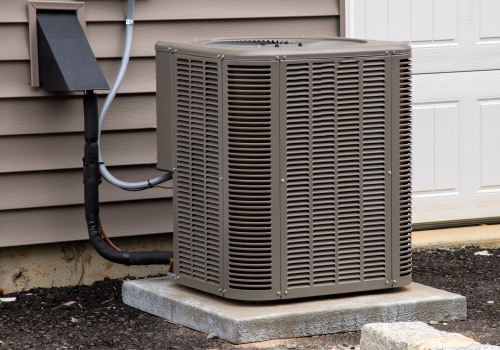
Air conditioning systems are essential for maintaining a comfortable indoor environment, especially during the sweltering summer months. Understanding the fundamental components of these systems is crucial for homeowners and HVAC professionals alike. At the heart of any air conditioning system are two primary components: the air handler and the condenser. Each plays a distinct role in the cooling process, and their proper functioning is vital for achieving optimal efficiency. The air handler is responsible for circulating cool air throughout your home.
It contains a blower fan, which pushes air over the evaporator coil, where it absorbs heat from the indoor air. This cooled air is then distributed through ductwork to various rooms, ensuring that every corner of your home remains comfortable. On the other hand, the condenser works outside your home, expelling heat absorbed from the indoor air into the atmosphere. It does this by compressing refrigerant gas and allowing it to release heat as it transitions back into a liquid state. While both components are crucial, their effectiveness is significantly influenced by how well they are matched.
Mismatched air handlers and condensers can lead to inefficiencies, increased energy consumption, and even premature system failure. Therefore, understanding how these components interact is essential for anyone considering AC replacements. By ensuring that your air handler and condenser are compatible and properly sized, you can enhance your system's performance, reduce energy costs, and extend its lifespan.
The Role of Air Handlers in AC Systems
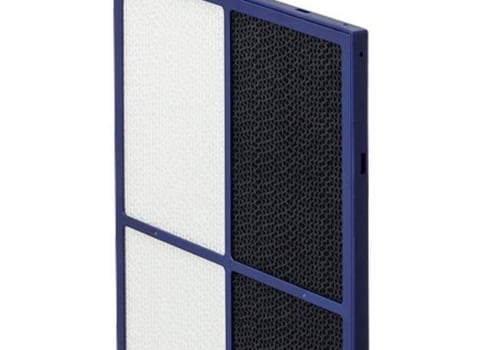
Air handlers play a pivotal role in the functionality of air conditioning systems, serving as the heart that circulates conditioned air throughout your home. Understanding the function of air handlers is essential for homeowners looking to optimize their cooling systems.An air handler is primarily responsible for moving air through the ductwork and into various rooms.It contains a blower, which is a fan that pushes air over the evaporator coil, where it is cooled before being distributed. This process not only ensures that your living spaces remain comfortable but also helps maintain indoor air quality by filtering out dust, allergens, and other pollutants.
Importance of Air Handlers
The importance of air handlers cannot be overstated. They are crucial for several reasons:- Efficiency: A well-functioning air handler enhances the overall efficiency of your AC system. When paired with a compatible condenser, it ensures optimal airflow and temperature control.
- Comfort: By effectively circulating cool air, air handlers help maintain a consistent temperature throughout your home, preventing hot or cold spots.
- Air Quality: Air handlers often come equipped with filters that trap airborne particles, contributing to better indoor air quality and reducing health risks associated with poor ventilation.
Types of Air Handlers
There are several types of air handlers available, each designed to meet specific needs:- Standard Air Handlers: These are the most common type and are typically used in residential settings.
They can be matched with various types of condensers.
- Modular Air Handlers: These units offer flexibility in installation and can be customized to fit different spaces and requirements.
- Variable Speed Air Handlers: Equipped with advanced technology, these units adjust their speed based on the cooling demand, providing enhanced energy efficiency and comfort.
The Functionality of Condensers
In an air conditioning system, the condenser plays a pivotal role in the cooling process. Its primary function is to expel heat absorbed from the indoor air, allowing the refrigerant to transition from a gas back into a liquid state. This process is essential for maintaining a comfortable indoor environment, especially during hot weather.The operation of a condenser can be broken down into several key steps:- Heat Absorption: The refrigerant, which has absorbed heat from the indoor air via the evaporator coil, enters the condenser as a high-pressure gas.
- Heat Release: As the gas flows through the condenser coils, it releases heat to the outside air.
This is typically facilitated by a fan that blows air over the coils.
- Condensation: As the refrigerant loses heat, it condenses back into a liquid state, ready to return to the evaporator and repeat the cycle.
- Air-Cooled Condensers: These are the most common type used in residential systems. They rely on ambient air to cool and condense the refrigerant. Air-cooled condensers are generally easier to install and maintain.
- Water-Cooled Condensers: These systems use water as a cooling medium.
They are often found in larger commercial applications due to their efficiency in heat exchange but require a water source and more complex installation.
- Evaporative Condensers: Combining features of both air and water-cooled systems, evaporative condensers use water evaporation to enhance cooling efficiency. They are typically used in industrial settings.
Proper matching of components not only enhances efficiency but also prolongs the lifespan of your HVAC system.
Why Proper Matching Matters
When it comes to air conditioning systems, the compatibility between the air handler and the condenser is not just a matter of preference; it is a critical factor that directly impacts the efficiency and longevity of your system. Properly matching these components ensures that they work in harmony, optimizing performance and minimizing energy consumption.Efficiency Loss
One of the most significant consequences of mismatching air handlers and condensers is a marked decrease in efficiency. Each component is designed with specific operational parameters in mind. When these parameters are not aligned, the system struggles to maintain the desired temperature.
For instance, if an air handler is too powerful for a condenser, it may lead to short cycling, where the system turns on and off frequently. This not only wastes energy but also places unnecessary strain on the components.
Increased Energy Costs
As a direct result of decreased efficiency, homeowners often face higher energy bills. A mismatched system can consume significantly more electricity than a properly configured one. This increase in energy usage can be attributed to:
- Overworking the System: When components are not compatible, the system has to work harder to achieve cooling, leading to increased wear and tear.
- Longer Run Times: Inefficient systems tend to run longer than necessary, further driving up energy costs.
- Frequent Repairs: Mismatched components can lead to more frequent breakdowns, resulting in costly repairs and maintenance.
Potential System Failures
The implications of using mismatched air handlers and condensers extend beyond just efficiency and cost.
Over time, the stress placed on incompatible components can lead to premature failures. For example:
- Compressor Damage: If the condenser cannot effectively handle the refrigerant flow from an oversized air handler, it can cause compressor overheating and eventual failure.
- Air Quality Issues: An inefficient air handler may not circulate air properly, leading to poor indoor air quality due to inadequate filtration and humidity control.
- Shortened Lifespan: The cumulative effect of increased wear on mismatched components can significantly shorten the lifespan of your entire HVAC system.
The Impact on Energy Efficiency and Costs
When it comes to air conditioning systems, the relationship between the air handler and condenser is pivotal not only for comfort but also for energy efficiency and cost management.Properly matching these components can lead to significant savings on energy bills, while mismatched parts can result in increased operational costs.
Energy Efficiency in HVAC SystemsEnergy Efficiency in HVAC Systems
Energy efficiency is a critical factor in the performance of HVAC systems. When an air handler and condenser are designed to work together, they operate at optimal efficiency. This synergy allows the system to cool your home effectively without excessive energy consumption. Conversely, when these components are mismatched, the system struggles to maintain the desired temperature, leading to:
- Increased Energy Consumption: A mismatched system often requires more energy to achieve the same cooling effect, resulting in higher utility bills.
- Short Cycling: If the air handler is too powerful for the condenser, it may cause the system to turn on and off frequently, wasting energy and causing wear and tear.
- Reduced Lifespan: Overworking a mismatched system can lead to premature failures, necessitating costly repairs or replacements.
Cost Implications of Mismatched AC Parts
The financial implications of using incompatible air handlers and condensers extend beyond just higher energy bills.
Homeowners may face:
- Repair Costs: Frequent breakdowns due to inefficiency can lead to unexpected repair expenses.
- Replacement Costs: If a system fails prematurely, homeowners may need to invest in a new unit sooner than anticipated.
- Decreased Property Value: An inefficient HVAC system can negatively impact a home's resale value, as potential buyers may be deterred by high energy costs or the need for immediate replacements.
Strategies for Ensuring Compatibility
To avoid these pitfalls, homeowners should take proactive steps when considering AC replacements. Consulting with HVAC professionals who understand compatibility requirements is essential. Additionally, utilizing resources such as compatibility charts from manufacturers or directories from organizations like the Air Conditioning, Heating, and Refrigeration Institute (AHRI) can provide valuable guidance.In conclusion, ensuring that your air handler and condenser are properly matched is not just about comfort; it’s also about maintaining energy efficiency and managing costs effectively. By investing time in understanding compatibility and seeking professional advice, homeowners can enjoy a more efficient cooling system that saves money in the long run.
Common Misconceptions About AC Replacements
When it comes to AC replacements, there are numerous misconceptions that can lead homeowners to make poor decisions.Understanding these myths is essential for ensuring that your air conditioning system operates efficiently and effectively.
Myth 1: Any Air Handler Can Work with Any Condenser
One of the most prevalent misconceptions is that any air handler can be paired with any condenser unit. While it may seem convenient to mix and match components, this approach can lead to significant inefficiencies. Each component is designed with specific specifications in mind, and using mismatched units can result in poor performance, increased energy consumption, and even premature system failure.
Myth 2: Size Doesn’t Matter
Another common myth is that the size of the air handler and condenser does not significantly impact performance. In reality, both components must be appropriately sized for your home’s square footage and cooling needs.
An oversized unit may cool the space too quickly without adequately dehumidifying it, while an undersized unit will struggle to maintain a comfortable temperature, leading to increased wear and tear.
Myth 3: Brand Compatibility Is Guaranteed
Many homeowners believe that if two components are from reputable brands, they will work well together. However, brand compatibility does not guarantee optimal performance. Even if two units are compatible on paper, they may not be engineered to function together efficiently. It’s always best to consult compatibility charts or seek professional advice before making a purchase.
Myth 4: DIY Replacements Are Just as Effective
Some homeowners may consider replacing their AC units themselves to save money.
However, DIY replacements can lead to improper installations that compromise system efficiency and longevity. HVAC systems are complex, and professional installation ensures that all components are correctly matched and installed according to local codes.
Myth 5: Maintenance Isn’t Necessary After Replacement
Finally, a common misconception is that once an AC replacement is completed, no further maintenance is required. Regular maintenance is crucial for keeping your system running efficiently and extending its lifespan. Neglecting routine checks can lead to costly repairs down the line.By debunking these myths surrounding AC replacements, homeowners can make informed decisions that enhance their comfort while optimizing energy efficiency.
Always consult with HVAC professionals to ensure you’re making the best choices for your home’s cooling needs.
How to Choose Compatible Components for Your AC System
Choosing the right components for your air conditioning system is essential for achieving optimal performance and efficiency. When it comes to selecting an air handler and condenser, compatibility is key. Here are some practical tips to help you make informed decisions:- Consult Compatibility Resources: One of the most reliable ways to ensure that your air handler and condenser will work well together is to utilize resources like the Air Conditioning, Heating, and Refrigeration Institute (AHRI). The AHRI provides a comprehensive directory of certified products that have been rigorously tested for compatibility.
This resource can be invaluable for both homeowners and HVAC professionals.
- Check Manufacturer Compatibility Charts: Many manufacturers offer compatibility charts or online tools on their websites. These resources allow you to quickly verify whether specific models of air handlers and condensers can be paired effectively. Always refer to these charts before making a purchase to avoid mismatched components.
- Consider System Size: Proper sizing is crucial for both the air handler and condenser. An oversized or undersized unit can lead to inefficiencies and increased wear on your system.
Consult with an HVAC professional who can perform a load calculation for your home, ensuring that you select components that are appropriately sized for your specific needs.
- Understand SEER Ratings: The Seasonal Energy Efficiency Ratio (SEER) rating is an important factor when choosing an air conditioning system. Higher SEER ratings indicate greater efficiency, which can lead to lower energy bills. When selecting components, ensure that both the air handler and condenser have compatible SEER ratings to maximize efficiency.
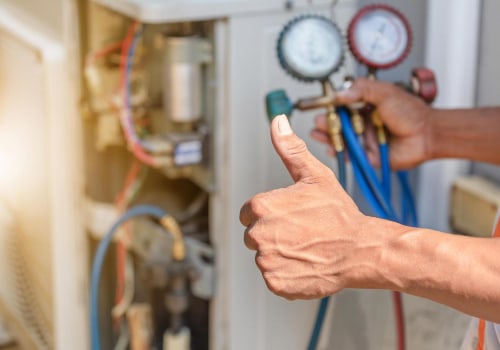
- Seek Professional Advice: If you're unsure about which components to choose, don't hesitate to consult with an HVAC expert. They can provide valuable insights based on their experience and knowledge of the latest technologies and compatibility standards.
This not only enhances the efficiency of your cooling system but also extends its lifespan, ultimately saving you money in the long run.
Consulting with HVAC Professionals
When it comes to AC replacements and ensuring that your air conditioning system operates at peak efficiency, consulting with HVAC professionals is not just advisable; it is essential. These experts bring a wealth of knowledge and experience that can significantly impact the performance and longevity of your system.Understanding When to Consult HVAC Experts
- If you are considering replacing your air handler or condenser, it is crucial to seek professional advice. They can help you determine the best options based on your specific needs and home layout.
- When you notice inconsistent cooling or heating in your home, an HVAC professional can diagnose whether mismatched components are the cause.
- If your energy bills have spiked unexpectedly, consulting an expert can help identify inefficiencies in your system that may stem from improper component matching.
- Before making any significant changes to your HVAC system, such as upgrading to a more energy-efficient model, it’s wise to consult with a professional who can guide you through the process.
The Benefits of Professional Assessment
Engaging with HVAC professionals offers numerous advantages:
- Expert Knowledge: HVAC technicians are trained to understand the intricacies of various systems. They can provide insights into which components work best together, ensuring optimal performance.
- Accurate Sizing: Professionals can perform load calculations to determine the correct size for both air handlers and condensers.
This prevents issues related to over-sizing or under-sizing, which can lead to inefficiencies.
- Access to Resources: HVAC experts have access to industry resources and compatibility charts that may not be readily available to homeowners. This ensures that you are making informed decisions based on reliable data.
- Long-Term Savings: While there may be an upfront cost associated with hiring a professional, their expertise can save you money in the long run by preventing costly mistakes and ensuring that your system operates efficiently.
<strong>Conclusion</strong>
In summary, the importance of matching AC components cannot be overstated when it comes to achieving optimal efficiency in air conditioning systems. Throughout this article, we have explored the critical roles that both the air handler and condenser play in maintaining a comfortable indoor environment.When these components are properly matched, they work in harmony to deliver consistent cooling while minimizing energy consumption.One of the key points discussed is that mismatched components can lead to a host of issues, including increased energy bills, frequent breakdowns, and a shortened lifespan for your HVAC system. This not only affects your comfort but also places an unnecessary financial burden on homeowners. By ensuring that your air handler and condenser are compatible, you can avoid these pitfalls and enjoy a more reliable cooling experience.Additionally, we highlighted the significance of consulting with HVAC professionals who can provide expert guidance on selecting the right components for your specific needs. Proper sizing and compatibility are essential factors that contribute to the overall performance of your air conditioning system.
Utilizing resources such as the Air Conditioning, Heating, and Refrigeration Institute (AHRI) directory can further assist in making informed decisions.In conclusion, taking the time to properly match your air handler and condenser is a crucial step towards enhancing HVAC efficiency. By prioritizing compatibility and seeking professional advice, homeowners can ensure their systems operate at peak performance. This not only leads to improved comfort but also results in long-term savings on energy costs and maintenance. Ultimately, investing in a well-matched air conditioning system is an investment in your home’s comfort and efficiency.