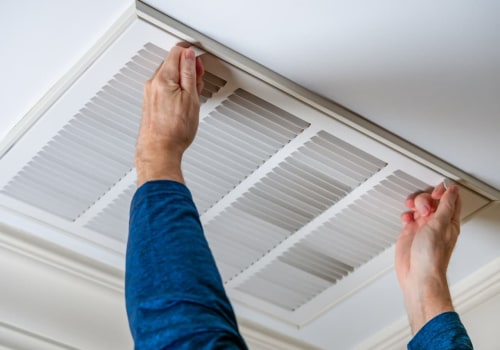
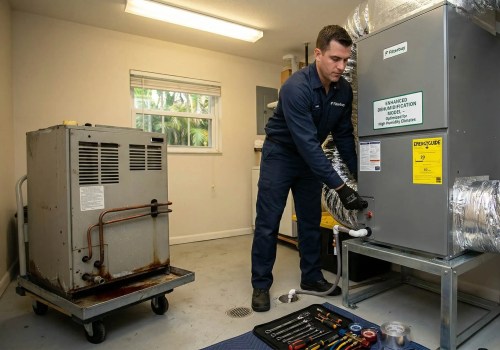
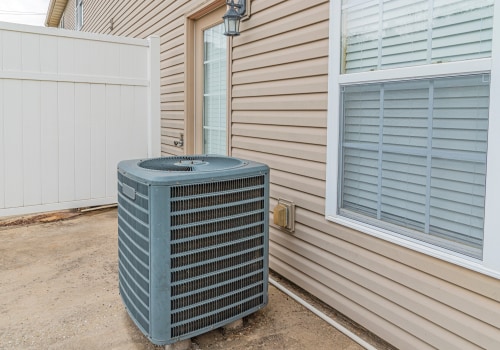
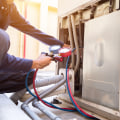
The HVAC system, an acronym for heating, ventilation, and air conditioning, is a crucial component of modern home comfort. It encompasses a network of equipment designed to regulate indoor temperature and air quality, ensuring that your living space remains comfortable throughout the year. At the heart of this system are two primary components: the furnace and the air conditioner. Each plays a distinct yet complementary role in maintaining a balanced environment within your home.The furnace is responsible for generating heat during the colder months.
It works by burning fuel or using electricity to warm air, which is then distributed throughout your home via a system of ducts. On the other hand, the air conditioner cools the air during warmer months by removing heat and humidity from your indoor environment. This dual functionality is essential for achieving year-round comfort, but it also highlights the interdependence of these two systems.Understanding how these components work together is vital for homeowners considering replacements or upgrades. When one unit becomes outdated or inefficient, it can adversely affect the performance of the other.
For instance, an aging furnace may struggle to keep up with a new, high-efficiency air conditioner, leading to increased energy costs and potential system failures. Conversely, if an air conditioner is replaced without addressing an old furnace, homeowners may find themselves facing similar issues as both systems age at different rates.In this article, we will delve deeper into the importance of replacing your furnace and air conditioner together. By exploring their roles within the HVAC system and how they interact with one another, we aim to provide you with valuable insights that can help you make informed decisions about your home’s heating and cooling needs.For instance, an aging furnace may struggle to keep up with a new, high-efficiency air conditioner, leading to increased energy costs and potential system failures. Conversely, if an air conditioner is replaced without addressing an old furnace, homeowners may find themselves facing similar issues as both systems age at different rates.In this article, we will delve deeper into the importance of replacing your furnace and air conditioner together. By exploring their roles within the HVAC system and how they interact with one another, we aim to provide you with valuable insights that can help you make informed decisions about your home’s heating and cooling needs.
The Lifespan of Furnaces and Air Conditioners
Understanding the typical lifespans of your furnace and air conditioner is essential for effective home maintenance and budgeting. These two components of your HVAC system play crucial roles in maintaining a comfortable indoor environment, but they do not last indefinitely.Knowing when to replace them can save you from unexpected breakdowns and costly repairs.
Furnace Lifespan
On average, a well-maintained furnace can last between 15 to 30 years. Factors such as the type of furnace, usage patterns, and maintenance practices significantly influence its longevity. For instance:
- Gas Furnaces: Typically last 15 to 20 years.
- Electric Furnaces: Can last up to 30 years due to fewer moving parts.
- Oil Furnaces: Generally have a lifespan of 15 to 25 years.
Air Conditioner Lifespan
Air conditioners typically have a shorter lifespan than furnaces, averaging around 10 to 15 years.
Similar to furnaces, several factors affect their longevity:
- Type of AC Unit: Central air conditioning systems usually last longer than window units.
- Usage: Frequent use during hot months can lead to quicker wear and tear.
- Maintenance: Regular cleaning and servicing can help prolong the life of your AC unit.
When to Replace Your HVAC System
The decision to replace your furnace or air conditioner should not be taken lightly. Here are some signs that indicate it might be time for a replacement:
- Your system is over 15 years old (for AC) or over 20 years old (for furnace).
- You experience frequent breakdowns or costly repairs.
- Your energy bills have significantly increased without any changes in usage.
- You notice inconsistent temperatures throughout your home.
Signs That Indicate It's Time for Replacement
Recognizing the signs that indicate it’s time to replace your furnace or air conditioner is crucial for maintaining a comfortable and efficient home environment. Ignoring these signs can lead to increased energy costs, frequent repairs, and ultimately, a complete system failure.Here are some key indicators to watch for:
- Age of the Unit: Most furnaces and air conditioners have a lifespan of about 15 to 20 years. If your unit is approaching this age, it’s wise to start considering a replacement. An older unit is more likely to experience breakdowns and inefficiencies.
- Frequent Repairs: If you find yourself calling for repairs multiple times a year, it may be more cost-effective to invest in a new system. Frequent issues can indicate that the unit is nearing the end of its life.
- Increased Energy Bills: A sudden spike in your energy bills can be a sign that your HVAC system is working harder than it should.
If your furnace or air conditioner is struggling to maintain the desired temperature, it may be time for an AC replacement.
- Uneven Heating or Cooling: If certain rooms in your home are consistently warmer or cooler than others, this could indicate that your system is failing to distribute air effectively. This issue often arises when either the furnace or air conditioner is not functioning properly.
- Noisy Operation: Unusual sounds such as banging, clanking, or hissing can signal mechanical issues within your HVAC system. These noises often indicate that components are wearing out and may require replacement.
- Excessive Dust and Allergens: If you notice an increase in dust accumulation or allergens in your home, it could mean that your air conditioner is not filtering air properly. This inefficiency can lead to poor indoor air quality and may necessitate an HVAC replacement.
- Foul Odors: Strange smells coming from your furnace or air conditioner can indicate serious problems.
A burning smell might suggest electrical issues, while a musty odor could point to mold growth within the system.
Benefits of Replacing Both Units Together
When considering the replacement of your HVAC system, the decision to replace both your furnace and air conditioner simultaneously can yield significant benefits. Here are some of the key advantages of opting for a dual replacement:- Cost Savings: One of the most compelling reasons to replace both units at the same time is the potential for substantial cost savings.
When you replace both your furnace and air conditioner together, you can often save on installation costs. Many HVAC contractors offer discounts for bundled services, which can significantly reduce your overall expenditure. Additionally, by avoiding multiple service calls and installation fees in the future, you can further enhance your savings.
- Increased Efficiency: Newer models of furnaces and air conditioners are designed with advanced technology that improves energy efficiency. By replacing both units together, you ensure that they are compatible and optimized to work in tandem.
This compatibility can lead to better airflow, reduced energy consumption, and lower utility bills. In fact, many modern systems come with high SEER (Seasonal Energy Efficiency Ratio) ratings, which can translate into significant savings over time.
- Enhanced Comfort: A new furnace and air conditioner working together can provide a more consistent and comfortable indoor environment. Older systems may struggle to maintain even temperatures throughout your home, leading to hot or cold spots. By upgrading both units at once, you can achieve better temperature regulation and improved air quality.
- Reduced Risk of Breakdowns: When one component of your HVAC system is old and inefficient, it can put additional strain on the other unit.
This increased stress can lead to more frequent breakdowns and costly repairs. By replacing both the furnace and air conditioner at the same time, you minimize the risk of unexpected failures and ensure that your entire system operates smoothly.
- Warranty Benefits: New HVAC systems typically come with warranties that cover parts and labor for a specified period. By replacing both units simultaneously, you can take advantage of comprehensive warranty coverage for both systems, providing peace of mind in case of future issues.
Cost Considerations for Replacing HVAC Systems
When considering the replacement of your HVAC system, understanding the cost implications is crucial.The expenses associated with replacing both your furnace and air conditioner can vary significantly based on several factors, including the size of your home, the efficiency ratings of the units you choose, and local labor costs.
HVAC Replacement Costs
- The average cost for a new air conditioning unit typically ranges from $3,000 to $7,000, depending on the model and efficiency.
- Furnace replacements can cost between $2,500 and $6,000, again influenced by the type of furnace (gas, electric, or oil) and its efficiency rating.
- When replacing both units simultaneously, homeowners can often save on installation costs since the labor for both systems can be consolidated.
- Installation Fees: Professional installation is critical for ensuring optimal performance. Installation fees can range from $1,000 to $3,000 depending on the complexity of the job.
- Permits and Inspections: Local regulations may require permits for HVAC installations, which can add to your overall costs.
- Additional Ductwork: If your existing ductwork is outdated or incompatible with new systems, you may need to invest in upgrades or replacements.
Budgeting for HVAC Replacement
Creating a budget for your HVAC replacement involves more than just calculating the cost of new units. Consider setting aside funds for unexpected expenses that may arise during installation. A good rule of thumb is to allocate an additional 10-20% of your total budget for contingencies.
Financing Options for HVAC Replacement
If upfront costs are a concern, various financing options are available to help ease the financial burden:
- Home Equity Loans: These loans allow you to borrow against the equity in your home, often at lower interest rates than personal loans.
- HVAC Financing Programs: Many HVAC companies offer financing plans that allow you to pay for your new system over time with manageable monthly payments.
- Credit Cards: While not always recommended due to high-interest rates, using a credit card can be a quick way to finance your purchase if you can pay it off promptly.
Energy Efficiency and Environmental Impact
When considering AC replacements, one of the most significant factors to evaluate is the energy efficiency of new systems.Modern heating and cooling units are designed with advanced technology that allows them to operate more efficiently than their older counterparts. This not only translates to lower energy bills but also contributes to a reduced carbon footprint.New HVAC systems often come with higher Seasonal Energy Efficiency Ratio (SEER) ratings for air conditioners and Annual Fuel Utilization Efficiency (AFUE) ratings for furnaces. These ratings indicate how effectively a system converts energy into heating or cooling. For instance, while older models may have SEER ratings as low as 10, many new systems boast ratings of 16 or higher.
This improvement can lead to substantial savings on your energy bills, making it a wise investment.
Environmental Benefits of Upgrading
Upgrading to a more efficient HVAC system not only benefits your wallet but also has a positive impact on the environment. By using less energy, these systems help decrease the demand for fossil fuels, which are a major contributor to greenhouse gas emissions. According to the U. S.Environmental Protection Agency (EPA), residential heating and cooling account for nearly half of the energy use in a typical home. Therefore, improving the efficiency of these systems can significantly reduce overall energy consumption.Moreover, many new HVAC units are designed with eco-friendly refrigerants that have lower global warming potential compared to older refrigerants like R-22. This shift not only helps in reducing harmful emissions but also aligns with global efforts to combat climate change.
Eco-Friendly HVAC Options
For those particularly concerned about their environmental impact, there are several eco-friendly HVAC options available:- Geothermal Heat Pumps: These systems utilize the earth's stable underground temperature to heat and cool your home, offering exceptional efficiency.
- Solar-Powered HVAC Systems: Integrating solar panels with your HVAC system can drastically reduce reliance on grid electricity.
- High-Efficiency Furnaces and AC Units: Look for ENERGY STAR certified products that meet strict efficiency guidelines set by the EPA.
Choosing the Right HVAC System for Your Home
Choosing the right HVAC system for your home is a critical decision that can significantly impact your comfort, energy efficiency, and overall utility costs. With numerous options available, it’s essential to consider several factors to ensure you select the best furnace and air conditioner for your specific needs.Assessing Your Home's Needs
The first step in selecting an HVAC system is to assess your home’s unique requirements.Factors such as the size of your home, the number of rooms, insulation quality, and local climate all play a vital role in determining the appropriate system. A professional HVAC technician can perform a load calculation to evaluate how much heating and cooling your home requires.
Understanding HVAC Sizing
Proper sizing of your HVAC system is crucial. An undersized unit will struggle to maintain comfortable temperatures, leading to increased energy consumption and wear on the system. Conversely, an oversized unit can cycle on and off too frequently, causing inefficiency and discomfort.The tonnage of an air conditioning unit or the BTU rating of a furnace should match your home’s heating and cooling load.
Exploring Top HVAC Brands
When it comes to selecting an HVAC system, brand reputation matters. Some of the best HVAC brands known for their reliability and efficiency include:- Trane : Renowned for durability and performance.
- Lennox : Offers high-efficiency models with advanced technology.
- Carrier : A pioneer in HVAC innovation with a wide range of options.
- Rheem : Known for affordability without compromising quality.
- Goodman : Provides excellent value with solid warranties.
Consulting with Professionals
Finally, consulting with experienced HVAC professionals is invaluable. They can guide you through the selection process, ensuring that you choose a system that fits your budget while meeting your comfort needs. Additionally, they can provide insights into energy-efficient models that may qualify for rebates or tax credits.In conclusion, selecting the right HVAC system involves careful consideration of your home’s specific needs, proper sizing, brand reputation, and professional guidance.By taking these steps, you can ensure that you invest in a system that will keep your home comfortable for years to come.
Consulting with Professionals: When to Seek Help?
When it comes to maintaining your home’s comfort, the importance of consulting with HVAC professionals cannot be overstated. Whether you are considering AC replacements or evaluating the condition of your furnace, seeking expert advice is crucial for making informed decisions.Recognizing the Right Time to Consult an HVAC Expert
- If your heating or cooling system is over 10 years old, it’s wise to have a professional assessment.
- Noticeable fluctuations in temperature or humidity levels can indicate underlying issues that require expert evaluation.
- Frequent repairs or rising energy bills may suggest that your system is not operating efficiently, prompting the need for a professional consultation.
- If you’re planning to replace your air conditioner, consider consulting an HVAC technician to discuss whether your furnace should also be replaced.
The Benefits of Professional Assessment
Engaging with an HVAC professional offers numerous advantages:
- Expert Knowledge: HVAC technicians possess specialized training and experience that allow them to diagnose issues accurately and recommend appropriate solutions.
- Comprehensive Evaluations: Professionals can conduct thorough inspections of both your furnace and air conditioning units, identifying potential problems that may not be visible to the untrained eye.
- Energy Efficiency Insights: An expert can provide insights into how well your current systems are performing and suggest upgrades that could lead to significant energy savings.
- Safety Considerations: HVAC systems involve complex components that can pose safety risks if not handled correctly. Professionals ensure that installations and repairs are performed safely and in compliance with local codes.
Finding HVAC Professionals Near You
To locate reliable HVAC professionals in your area, consider the following tips:
- Search online for HVAC professionals near me, focusing on companies with positive reviews and ratings.
- Ask friends, family, or neighbors for recommendations based on their experiences.
- Check local directories or community boards for reputable service providers.
Frequently Asked Questions (FAQs)
When it comes to replacing your furnace and air conditioner, homeowners often have numerous questions.Understanding the intricacies of HVAC systems can help you make informed decisions. Here are some frequently asked questions regarding the replacement of both units.
Why should I consider replacing my furnace and air conditioner together?
Replacing both your furnace and air conditioner at the same time can lead to significant benefits. First, it ensures that both units are compatible, which can enhance overall efficiency. When both systems are new, they are more likely to work harmoniously, reducing the risk of breakdowns and inefficiencies.Additionally, replacing them together can save you on installation costs and may qualify you for manufacturer rebates.
What are the signs that I need to replace my HVAC system?
- Age: If your furnace is over 15 years old and your AC unit is over 10 years old, it may be time to consider replacements.
- Frequent Repairs: If you find yourself calling for repairs multiple times a year, it’s a sign that your systems are nearing the end of their lifespan.
- Increased Energy Bills: A sudden spike in your energy bills can indicate that your HVAC system is working harder than it should be.
- Inconsistent Temperatures: If certain rooms in your home are too hot or too cold, it may be due to an inefficient HVAC system.
Can I replace just one unit instead of both?
While it is possible to replace just one unit, doing so may not always be the most cost-effective option. If your furnace is still relatively new but your air conditioner is failing, you might opt to replace only the AC unit. However, if both units are aging or if one has significantly outperformed the other, replacing them together can prevent future headaches and ensure optimal performance.What should I expect during the replacement process?
The replacement process typically involves several steps:- Assessment: A professional technician will evaluate your current systems and recommend suitable replacements.
- Selection: You’ll choose new units based on efficiency ratings, size, and budget.
- Installation: The installation process usually takes a day or two, depending on the complexity of the job.
- Post-Installation Check: After installation, technicians will ensure everything is functioning correctly and provide maintenance tips.
Conclusion: Making an Informed Decision on Your HVAC System
In conclusion, the decision to replace your furnace and air conditioner simultaneously is not merely a matter of convenience; it is a strategic choice that can lead to significant long-term benefits. As we have explored throughout this article, both systems are integral components of your home’s HVAC infrastructure, and their performance is interlinked.When one unit is outdated or inefficient, it can adversely affect the other, leading to increased energy consumption and higher utility bills.By opting for AC replacements alongside a furnace replacement, homeowners can:
- Maximize Efficiency: Newer models of both furnaces and air conditioners are designed with advanced technology that enhances energy efficiency. This means lower energy costs and a reduced carbon footprint.
- Reduce Installation Costs: Replacing both units at the same time can save you money on installation fees. Many HVAC companies offer discounts for bundled services, making it a financially savvy decision.
- Avoid Future Disruptions: If your air conditioner fails shortly after replacing your furnace (or vice versa), you may face unexpected costs and inconveniences. Coordinating replacements minimizes the risk of such disruptions.
- Ensure Compatibility: New systems are designed to work together seamlessly.
By replacing both units, you ensure that they are compatible in terms of capacity and efficiency, which can enhance overall system performance.