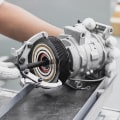
The compressor is often referred to as the heart of your air conditioning system, and for good reason. It plays a pivotal role in the cooling process by compressing the refrigerant and circulating it through the system. This essential component transforms low-pressure refrigerant gas into high-pressure gas, which is then sent to the condenser. Understanding how the compressor functions is crucial for homeowners, as it directly impacts the efficiency and performance of your air conditioning unit.To grasp the significance of the compressor, it's important to recognize its position within the broader context of HVAC system components.
An air conditioning system consists of several key parts, including the evaporator coil, condenser coil, expansion valve, and of course, the compressor. Each component works in harmony to ensure that your home remains cool and comfortable during those sweltering summer months. When one part fails or underperforms, it can lead to a cascade of issues that affect the entire system.Moreover, a well-functioning compressor not only enhances cooling efficiency but also contributes to energy savings. An inefficient compressor can lead to increased energy consumption, resulting in higher utility bills.
Therefore, regular maintenance and timely repairs are essential to keep this vital component operating at peak performance. Homeowners should be aware of signs indicating potential compressor issues, such as unusual noises or inconsistent cooling, as these can signal that professional intervention is needed.In summary, understanding the role of the compressor in your air conditioning system is fundamental for maintaining optimal performance and efficiency. By recognizing its importance and being proactive about maintenance, you can ensure that your HVAC system operates smoothly and effectively for years to come.
Signs Your Compressor May Need Replacement
Understanding the signs of compressor failure is crucial for homeowners who want to maintain a comfortable living environment. A malfunctioning compressor can lead to inadequate cooling, increased energy bills, and even further damage to your air conditioning system.Understanding the signs of compressor failure is crucial for homeowners who want to maintain a comfortable living environment. A malfunctioning compressor can lead to inadequate cooling, increased energy bills, and even further damage to your air conditioning system.Here are some common indicators that your compressor may need replacement:
- Inadequate Cooling: If your air conditioner is running but not effectively cooling your home, it could be a sign that the compressor is failing. You may notice that certain rooms are warmer than others or that the overall temperature in your home is not reaching the thermostat setting.
- Unusual Noises: Listen for any strange sounds coming from your outdoor unit. A failing compressor may produce loud clanking, grinding, or buzzing noises. These sounds can indicate internal damage or mechanical failure.
- Frequent Cycling: If your air conditioner frequently turns on and off, this could be a sign of compressor issues.
This behavior, known as short cycling, can lead to increased wear and tear on the system and may indicate that the compressor is struggling to maintain proper pressure levels.
- High Energy Bills: A sudden spike in your energy bills without any changes in usage patterns can signal that your compressor is working harder than it should be. An inefficient compressor consumes more energy, leading to higher costs.
- Refrigerant Leaks: If you notice any signs of refrigerant leaks around your unit, such as oily spots or hissing sounds, this could indicate a problem with the compressor. Low refrigerant levels can severely impact cooling efficiency.
- Faulty Capacitor: A malfunctioning capacitor can prevent the compressor from starting or running efficiently. If you suspect this issue, consult an HVAC professional for a thorough diagnosis.
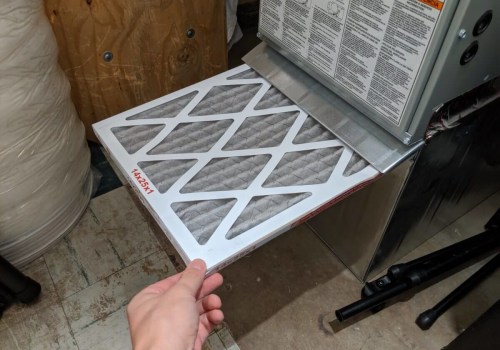
- Clogged Filters: Dirty or clogged air filters can restrict airflow and lead to inadequate cooling.
Regular maintenance and filter changes can help prevent this problem.
- Ductwork Issues: Leaks or blockages in your ductwork can also cause uneven cooling throughout your home. Ensure that your ducts are sealed and free from obstructions.
Should You Replace Just the Compressor or the Entire Unit?
When faced with a malfunctioning air conditioner, homeowners often grapple with the decision of whether to replace just the compressor or the entire unit.This choice can significantly impact both immediate costs and long-term efficiency, making it essential to weigh the pros and cons carefully.
Understanding the Compressor Replacement
- Cost-Effectiveness: Replacing only the compressor can seem like a more affordable option initially. Compressors typically range from $1,200 to $2,500, depending on the model and labor costs. If your compressor is still under warranty, this option may save you a considerable amount of money.
- Short-Term Solution: If your air conditioning system is relatively new (less than 10 years old), replacing the compressor might be a practical choice. A new compressor can restore functionality without the need for a complete system overhaul.
- Potential Risks: However, if your system is older, replacing just the compressor may not be wise.
An aging unit may have other components that are also nearing failure, leading to further repairs shortly after.
The Case for Full AC Replacement
- Long-Term Savings: While the upfront cost of replacing an entire air conditioning unit can be higher—ranging from $3,000 to $7,000—it often results in better energy efficiency and lower utility bills over time. Newer models are designed to consume less energy, which can lead to significant savings on your monthly bills.
- Enhanced Reliability: A new system comes with a warranty and is less likely to experience breakdowns in the near future. This reliability can provide peace of mind, especially during peak summer months when air conditioning is crucial.
- Improved Technology: Modern air conditioning units often come equipped with advanced features such as smart thermostats and variable-speed compressors that enhance comfort and efficiency. Upgrading to a new unit allows you to take advantage of these innovations.
Making the Right Decision
The decision between replacing just the compressor or opting for a full AC replacement should be based on several factors:
- Age of the Unit: If your air conditioner is over 10 years old, consider replacing the entire system.
- Frequency of Repairs: If you’ve had multiple repairs in recent years, it may be time for a new unit.
- Energy Efficiency: Evaluate your current energy bills; if they are rising despite regular maintenance, a new system could be more cost-effective in the long run.
They can help you assess both options' costs and benefits, ensuring you make an informed decision that aligns with your budget and comfort needs.
Factors to Consider Before Making a Replacement Decision
When faced with the decision to replace your air conditioner's compressor or the entire unit, several critical factors come into play. Understanding these elements can help you make an informed choice that aligns with your long-term comfort and financial goals.Age of the Air Conditioning System
The age of your air conditioning system is one of the most significant factors to consider. Most air conditioners have a lifespan of about 10 to 15 years. If your system is approaching or has surpassed this age range, replacing just the compressor may not be the best option.An older unit is likely to experience more frequent breakdowns and inefficiencies, which can lead to higher repair costs over time.In contrast, if your air conditioner is relatively new and the compressor fails, it might be worth replacing just the compressor, especially if it is still under warranty. This can save you money in the short term while allowing you to continue using a system that has many years of potential service left.
Energy Efficiency Considerations
Energy efficiency is another crucial aspect to evaluate. Newer air conditioning systems are designed with advanced technology that significantly improves energy efficiency compared to older models. If your current system is outdated, replacing it with a modern unit can lead to substantial savings on your energy bills.Additionally, consider the SEER (Seasonal Energy Efficiency Ratio) rating of your current unit.If your air conditioner has a low SEER rating, it may be consuming more energy than necessary to cool your home effectively. Upgrading to a unit with a higher SEER rating not only enhances comfort but also reduces environmental impact.
Warranty Considerations
The warranty status of your air conditioning system plays a vital role in your decision-making process. If your compressor is still under warranty, you may be able to replace it at little or no cost. However, if the warranty has expired, you should weigh the cost of a new compressor against the price of a new unit.Keep in mind that warranties often cover only specific parts and may not include labor costs for installation or repairs.Therefore, even if you opt for a compressor replacement under warranty, additional expenses could arise that make replacing the entire system more appealing.Ultimately, evaluating these factors—system age, energy efficiency, and warranty status—will guide you toward making a decision that not only addresses your immediate cooling needs but also supports long-term savings and reliability.
The Cost of Replacing an AC Compressor vs. Full System Replacement
When faced with the decision of whether to replace an air conditioner's compressor or the entire system, understanding the financial implications is crucial. The costs associated with these options can vary significantly, and making an informed choice can save you money in the long run.Cost Breakdown of Compressor Replacement
Replacing a compressor typically ranges from $1,500 to $2,500 , depending on several factors such as:- Brand and Model: Different brands have varying prices for their compressors. High-efficiency models may cost more upfront but can save you money on energy bills.
- Labor Costs: HVAC technicians charge different rates based on location and experience.
Labor can account for a significant portion of the total cost.
- Warranty Status: If your compressor is still under warranty, you may only need to pay for labor, which can reduce your overall expenses.
Cost of Full System Replacement
On the other hand, replacing the entire air conditioning system can be a more substantial investment, typically costing between $3,000 and $7,000. This price range includes:- New Equipment: The cost of a new air conditioning unit varies based on its efficiency rating and size. Higher SEER (Seasonal Energy Efficiency Ratio) units tend to be more expensive but offer better long-term savings.
- Installation Fees: Full system replacements often require additional installation work, including duct modifications or upgrades to your electrical system, which can increase labor costs.
- Potential Rebates: Many utility companies offer rebates for installing energy-efficient systems, which can help offset the initial costs.
Budgeting for HVAC Repairs
When budgeting for HVAC repairs or replacements, consider the following:- Aging System: If your air conditioning unit is over 10 years old and requires a compressor replacement, it may be more cost-effective to invest in a new system that will provide better efficiency and reliability.
- Energy Efficiency: Newer systems are designed to be more energy-efficient, potentially lowering your monthly utility bills and providing a return on investment over time.
- Future Repairs: An older system may require additional repairs soon after replacing the compressor, leading to further expenses. Weighing these potential costs against a full replacement is essential.
Consulting with an HVAC professional can provide personalized insights tailored to your specific situation.
The Importance of Professional Assessment and Installation
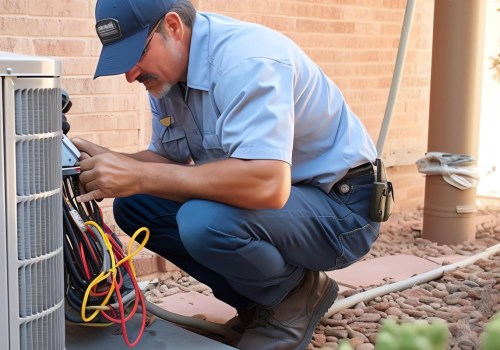
When it comes to air conditioning replacements, the significance of professional assessment and installation cannot be overstated. Many homeowners underestimate the complexities involved in diagnosing air conditioning issues and the subsequent installation of new systems. Engaging an experienced HVAC professional ensures that you receive an accurate diagnosis, which is crucial for making informed decisions about your air conditioning system.One of the primary reasons to consult with an HVAC expert is their ability to identify underlying problems that may not be immediately apparent. For instance, a malfunctioning compressor might be a symptom of a larger issue, such as refrigerant leaks or electrical faults.A trained technician can conduct a thorough inspection, utilizing specialized tools and techniques to pinpoint the exact cause of the problem. This level of expertise helps prevent unnecessary expenses associated with replacing components that may not need to be replaced.Moreover, the installation process itself is critical to the performance and longevity of your new air conditioning system. Improper installation can lead to a host of issues, including reduced efficiency, increased energy bills, and even premature system failure. An HVAC professional will ensure that your new unit is installed according to manufacturer specifications and local building codes, which is essential for optimal performance.Additionally, HVAC professionals can provide valuable insights into selecting the right system for your home.
With numerous options available on the market today, choosing an air conditioner that fits your specific needs can be overwhelming. Experts can guide you through this process, taking into account factors such as:
- Home Size: The size of your home directly impacts the type and capacity of the air conditioning system required.
- Energy Efficiency: Professionals can help you understand SEER ratings and recommend energy-efficient models that can save you money in the long run.
- Budget Considerations: They can provide insights into financing options and help you weigh the costs versus benefits of different systems.
Frequently Asked Questions About AC Compressor Replacement
When it comes to AC compressor replacements, homeowners often have numerous questions. Understanding the intricacies of your air conditioning system can help you make informed decisions.Here are some frequently asked questions regarding compressor replacement:
1.What are the signs that my AC compressor needs to be replaced?
Several indicators can suggest that your AC compressor is failing:- Unusual Noises: If you hear grinding, squealing, or clanking sounds coming from your outdoor unit, it may indicate a problem with the compressor.
- Inconsistent Cooling: If certain rooms in your home are warmer than others or if your AC struggles to maintain the set temperature, the compressor might be at fault.
- Increased Energy Bills: A sudden spike in your energy costs can signal that your compressor is working harder than it should, often due to inefficiency.
- Frequent Cycling: If your air conditioner turns on and off more frequently than normal, it could be a sign of compressor issues.
2.Can I just replace the compressor instead of the entire AC unit?
While replacing just the compressor may seem like a cost-effective solution, it’s essential to consider the age and condition of your entire system. If your air conditioning unit is over 10 years old and the compressor fails, investing in a new system might be more beneficial in the long run. A new unit will likely offer better energy efficiency and reliability.3.How long does an AC compressor replacement take?
The time required for an AC compressor replacement can vary based on several factors, including the technician's experience and the complexity of the job. Typically, you can expect the process to take anywhere from 2 to 6 hours.However, if additional repairs are needed or if there are complications, it may take longer.
4.What is the average cost of replacing an AC compressor?
The cost of replacing an AC compressor can range significantly based on factors such as brand, model, and labor costs. On average, homeowners can expect to pay between $1,500 and $2,500 for a complete replacement. It's advisable to obtain multiple quotes from reputable HVAC contractors to ensure you receive a fair price.5.Should I attempt to replace the compressor myself?
Replacing an AC compressor is a complex task that requires specialized knowledge and tools. Unless you have extensive HVAC experience, it’s best to leave this job to professionals.Attempting a DIY replacement could lead to further damage or safety hazards.By addressing these common questions about AC replacements, homeowners can better navigate their options when faced with a failing compressor. Always consult with a qualified HVAC technician for personalized advice tailored to your specific situation.
Conclusion: Making Informed Decisions About Your Air Conditioning System
In summary, navigating the complexities of air conditioning repairs and replacements requires careful consideration and informed decision-making. As we have explored throughout this article, the choice between replacing just the compressor or the entire air conditioning unit is not straightforward and depends on several critical factors.First and foremost, understanding the age and condition of your current system is essential. If your air conditioner is approaching its typical lifespan of 10-15 years, a compressor failure may signal that it’s time to invest in a new unit rather than pouring money into repairs that may only provide temporary relief.Investing in a new system can enhance energy efficiency, reduce long-term costs, and improve overall comfort in your home.Additionally, it’s crucial to recognize the signs of compressor failure and other potential issues within your system. A lack of sound from the outdoor unit or inconsistent cooling can indicate deeper problems that may not solely be related to the compressor. Engaging a qualified HVAC professional for a thorough inspection can help pinpoint the exact cause of your air conditioning woes.Moreover, if your compressor is still under warranty, replacing it might be a financially sound option. However, if it’s out of warranty and your system has been experiencing frequent issues, it may be more prudent to consider a full replacement.
This approach not only addresses current problems but also mitigates future risks associated with an aging system.Ultimately, making informed decisions about your air conditioning system involves weighing the costs and benefits of repairs versus replacements. Consulting with experienced HVAC professionals can provide valuable insights tailored to your specific situation. They can help you evaluate your options based on factors such as efficiency, reliability, and long-term savings.In conclusion, whether you are facing a compressor failure or contemplating an upgrade to a more efficient model, taking the time to assess your choices will lead to better outcomes for your home’s comfort and energy consumption.