As temperatures rise, the importance of a well-functioning air conditioning (AC) unit becomes increasingly evident. However, many homeowners may not fully understand the intricacies involved in maintaining their AC systems, particularly when it comes to recharging refrigerant and the potential need for AC replacements. Recharging an AC unit is a critical process that ensures optimal performance, but it can also be a sign of underlying issues that may necessitate a complete system replacement. When an AC unit is low on refrigerant, it often struggles to cool effectively, leading to discomfort and increased energy bills. The cost of recharging an AC can vary significantly based on several factors, including the type of system you have and the amount of refrigerant needed.
While recharging may seem like a straightforward solution, it’s essential to recognize that frequent recharges can indicate more serious problems, such as leaks or inefficiencies within the system. Understanding when to consider an AC replacement is crucial for homeowners. If your unit requires regular recharging or if repair costs are mounting, investing in a new system may be more economical in the long run. A modern AC unit not only provides better efficiency but also offers advanced features that can enhance comfort and reduce energy consumption. In this article, we will delve deeper into the costs associated with recharging your AC unit and explore the factors that influence the decision to replace your system.
Understanding AC Systems: Types and Their Costs
When it comes to air conditioning, understanding the different types of systems available is crucial for homeowners.Each type of AC unit has its own unique characteristics, advantages, and costs associated with installation and maintenance. Below, we explore the most common types of air conditioning systems.
1.Window Air Conditioning Units
Window AC units are compact systems designed to cool a single room or small area. They are typically installed in a window frame and are relatively easy to set up. The cost of a window unit can range from $150 to $600, depending on the brand, cooling capacity, and energy efficiency rating.- Pros: Affordable initial investment, easy installation, and portability.
- Cons: Limited cooling capacity, can obstruct views, and may be less energy-efficient than other options.
2.Ductless Mini-Split Systems
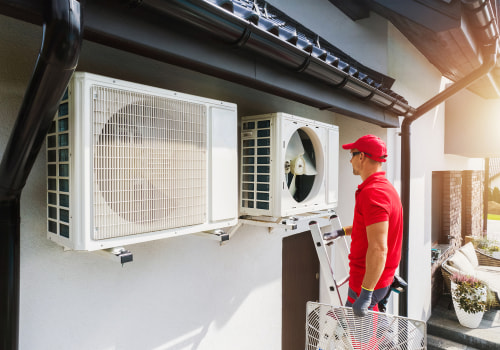
Ductless mini-split systems consist of an outdoor compressor unit and one or more indoor air handling units.They are ideal for homes without existing ductwork and provide zoned cooling, allowing you to control the temperature in individual rooms. The installation cost for a ductless system typically ranges from $3,000 to $5,000.
- Pros: Energy-efficient, flexible installation options, and quiet operation.
- Cons: Higher upfront costs compared to window units and potential for higher maintenance costs.
3.Central Air Conditioning Systems
Central air conditioning systems are designed to cool an entire home through a network of ducts. These systems are often more efficient for larger spaces and can provide consistent cooling throughout the house. The cost of installing a central AC system can range from $3,500 to $7,500, depending on the size of the home and the complexity of the installation.- Pros: Efficient cooling for large areas, improved indoor air quality with proper filtration, and quieter operation compared to window units.
- Cons: High installation costs and potential ductwork issues that may require additional repairs.
Each system has its own set of benefits and drawbacks that should be carefully considered in relation to your home’s layout, budget, and personal preferences.
The Process of Recharging an AC Unit
Recharging an air conditioning (AC) unit is a critical process that ensures your system operates efficiently and effectively. However, it is essential to understand that this task requires specialized knowledge and equipment, making it unsuitable for a DIY approach. Below, we will delve into the AC recharging process , outlining the necessary steps and tools involved.Understanding the Need for Recharge
Before initiating the recharge, it's crucial to determine whether your AC unit genuinely requires it. Signs that your system may need a recharge include:
- Insufficient cooling performance
- Unusual noises from the unit
- Visible leaks around the AC components
- Increased energy bills without a change in usage
The Tools Required
The recharging process involves several specialized tools:
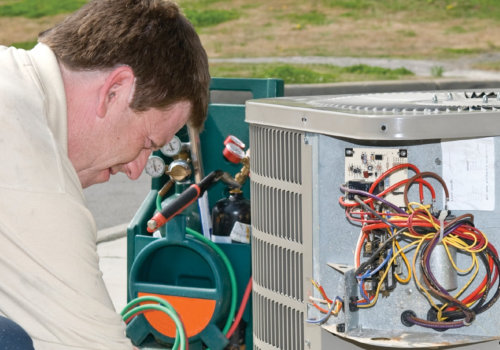
- Manifold Gauge Set: This tool measures the pressure of the refrigerant in the system and helps determine how much refrigerant needs to be added.
- Refrigerant Canister: The type of refrigerant used will depend on your AC unit's specifications.
Common types include R-22 and R-410A.
- Vacuum Pump: This tool removes moisture and air from the system before adding new refrigerant, ensuring optimal performance.
- Safety Gear: Gloves and goggles are essential for protecting yourself during the process.
The Steps to Recharge Your AC Unit
- Preparation: Ensure that your AC unit is turned off and that you have all necessary tools at hand.
- Connect Manifold Gauges: Attach the manifold gauge set to the service ports on your AC unit. The blue hose connects to the low-pressure side, while the red hose connects to the high-pressure side.
- Check Pressure Levels: With the gauges connected, turn on the AC unit and observe the pressure readings. This will help you determine if a recharge is necessary.
- Purge Air from Hoses: Before adding refrigerant, purge any air from the hoses by briefly opening the valve on the refrigerant canister.
- Add Refrigerant: Open the valve on the refrigerant canister slowly while monitoring pressure levels on the gauges. Add refrigerant until optimal levels are reached.
- Disconnect Gauges: Once recharging is complete, carefully disconnect the manifold gauges and replace any service port caps.
- Test System: Turn on your AC unit and check for proper cooling performance.
Monitor for any unusual noises or leaks.
Cost Breakdown: What Goes Into Recharging Your AC?
Understanding the cost to recharge an AC unit is essential for homeowners looking to maintain their air conditioning systems efficiently. The total expense can be broken down into two primary components: labor and materials.Each of these factors can vary significantly based on the type of AC system you have, its size, and the specific circumstances surrounding the recharge.
1.Labor Costs
- The labor cost typically encompasses the technician's time and expertise required to perform the recharge. This can range from $50 to $150 per hour, depending on your location and the technician's experience.
- For most AC recharges, the job may take anywhere from one to two hours, leading to a total labor cost of approximately $100 to $300.
- Additionally, if your system requires diagnostic work to identify leaks or other issues before recharging, this could add extra time and cost to the overall service.
2.Materials Costs
- The materials involved in recharging an AC unit primarily include refrigerant. The price of refrigerant can vary based on market conditions and the type of refrigerant your system uses.
- On average, refrigerant costs can range from $50 to $150 per pound. Depending on how much refrigerant your system needs, this could add another $100 to $300 to your total costs.
- Some systems may require specialized refrigerants that are more expensive or harder to obtain, which can further increase material costs.
3.Variations by System Type
- Window Units: Generally, these units are less expensive to recharge due to their smaller size and lower refrigerant requirements, often costing between $75 and $150.
- Ductless Mini-Split Systems: These systems fall in the mid-range for recharging costs, typically between $150 and $300.
- Central Air Conditioning Systems: As the largest systems, central AC units can incur the highest costs for recharging, often ranging from $200 to $500 or more.
By understanding these components, homeowners can make informed decisions about maintaining their AC units effectively.
Signs Your AC Unit Needs Recharging
Recognizing the signs that your air conditioning unit needs recharging is crucial for maintaining a comfortable indoor environment and preventing further damage to the system. Here are some common indicators that your AC may be low on refrigerant:- Insufficient Cooling: One of the most noticeable signs of low refrigerant is a lack of cool air. If your AC is running but the air coming from the vents feels warm or only slightly cool, it may indicate that the refrigerant levels are low.
- Increased Energy Bills: If you notice a sudden spike in your energy bills without a corresponding increase in usage, it could be due to your AC working harder to compensate for low refrigerant levels. This inefficiency can lead to higher operational costs.
- Ice Formation: Another clear sign of refrigerant issues is ice buildup on the evaporator coils or around the refrigerant lines.
When there isn’t enough refrigerant, the coils can get too cold, causing moisture in the air to freeze. This not only hampers cooling efficiency but can also lead to more severe damage if not addressed promptly.
- Unusual Noises: If your AC unit starts making strange sounds, such as hissing or bubbling, it could indicate a refrigerant leak. These noises often signal that the system is struggling to maintain pressure due to insufficient refrigerant.
- Frequent Cycling: An AC unit that frequently turns on and off may be trying to compensate for low refrigerant levels. This short cycling can lead to increased wear and tear on the system, potentially resulting in costly repairs or even necessitating a full replacement.
They can accurately diagnose the issue and determine whether recharging your AC unit is necessary or if there are underlying problems that need addressing. Taking timely action can help you avoid more significant issues down the line and ensure your home remains cool and comfortable during hot weather.
When Is It Time to Replace Your AC Unit?
Determining when to replace your air conditioning (AC) unit can be a challenging decision for many homeowners. While recharging the system with refrigerant may seem like a quick fix, there are several critical factors to consider that may indicate it’s time for a full replacement.Signs That Indicate AC Replacement
- Frequent Repairs: If you find yourself calling for repairs multiple times a year, it may be more cost-effective to invest in a new unit. Frequent breakdowns not only add up in repair costs but also indicate that your system is nearing the end of its lifespan.
- Age of the Unit: Most air conditioning units have a lifespan of about 10 to 15 years.
If your system is approaching or has surpassed this age, it’s wise to consider replacement, especially if it requires ongoing maintenance.
- Rising Energy Bills: An increase in your energy bills can signal that your AC unit is working harder than it should. Older units tend to lose efficiency over time, leading to higher operational costs.
- Inconsistent Cooling: If certain rooms in your home are warmer than others or if the AC struggles to maintain a consistent temperature, it may be time for a replacement. This inconsistency can indicate underlying issues that are not easily fixed.
- Refrigerant Leaks: If you notice refrigerant leaks, this is a significant red flag. Not only does this affect cooling efficiency, but it can also lead to environmental concerns and costly repairs.
Cost Comparison: Repair vs.
ReplacementWhen weighing the options between repairing your existing AC unit and investing in a new one, consider the following:
- Repair Costs: Regular repairs can accumulate quickly. For instance, if you spend $300 on repairs every few months, that adds up to $1,800 annually. If your unit is older and requires frequent repairs, this cost can exceed the price of a new system over time.
- Replacement Costs: While the upfront cost of a new AC unit can be significant—ranging from $3,000 to $7,000 depending on the type and size—consider the long-term savings on energy bills and reduced maintenance costs. Newer models are often more energy-efficient and come with warranties that protect against unexpected failures.
Consulting with an HVAC professional can provide valuable insights tailored to your specific situation, helping you make an informed choice that balances immediate needs with long-term benefits.
The Long-Term Financial Impact of Recharging vs. Replacing Your AC Unit
When it comes to maintaining your air conditioning system, the decision between frequently recharging your AC unit and investing in a new one can have significant long-term financial implications. Understanding these costs is crucial for homeowners looking to make informed decisions about their HVAC systems.Recharging an AC unit involves adding refrigerant to restore its cooling efficiency. While this may seem like a quick fix, it can lead to recurring expenses that add up over time.Here are some factors to consider:
- Frequency of Recharges: If your AC unit requires recharging more than once a year, it may indicate underlying issues such as leaks or component failures. Each recharge typically costs between $100 and $300, depending on the type of refrigerant used and labor costs.
- Repair Costs: In addition to the cost of refrigerant, you may incur additional repair costs if the root cause of the refrigerant loss is not addressed. These repairs can range from minor fixes to major component replacements, further increasing your overall expenditure.
- Energy Efficiency: An AC unit that is low on refrigerant will struggle to cool effectively, leading to higher energy bills. Over time, these increased utility costs can surpass the price of a new system.
However, this investment often pays off in several ways:
- Improved Energy Efficiency: Newer models are designed with advanced technology that enhances energy efficiency. This means lower monthly utility bills and a reduced carbon footprint.
- Warranty Coverage: A new AC unit typically comes with a warranty that covers parts and labor for several years. This can provide peace of mind and protect you from unexpected repair costs.
- Increased Home Value: A modern HVAC system can increase your home’s resale value. Potential buyers often look for homes with updated systems that promise reliability and efficiency.
By investing in a new air conditioning unit, you not only enhance comfort but also secure significant savings over time.
Choosing the Right HVAC Professional for Your Needs
When it comes to maintaining or replacing your air conditioning unit, selecting the right HVAC professional is crucial. A qualified technician can ensure that your system operates efficiently and safely, ultimately saving you time and money. Here are some essential tips to help you choose the right HVAC technician for your needs.1.Research and Recommendations
- Start by asking friends, family, or neighbors for recommendations. Personal experiences can provide valuable insights into the reliability and quality of service.
- Check online reviews on platforms like Google, Yelp, or Angie's List.
Look for patterns in feedback regarding punctuality, professionalism, and workmanship.
- Verify the technician's credentials. Ensure they are licensed and insured in your state, as this protects you from liability in case of accidents.
2.Questions to Ask
Before hiring an HVAC technician, consider asking the following questions:
- What is your experience with AC replacements? Inquire about their specific experience with your type of system to ensure they have the necessary expertise.
- Can you provide references? A reputable technician should be able to provide references from previous clients who can vouch for their work.
- What warranties do you offer? Understanding the warranties on both parts and labor can give you peace of mind regarding the longevity of your investment.
- How do you handle unexpected issues? It's important to know how they communicate and manage unforeseen problems that may arise during the service.
3.Get Multiple Estimates
Don’t settle for the first estimate you receive. Contact several HVAC professionals to compare prices and services offered. This will help you gauge what is a reasonable cost for recharging or replacing your AC unit.
4.Trust Your Instincts
If something feels off during your interactions with a technician—whether it’s their communication style or their willingness to answer questions—trust your instincts.
A good HVAC professional should be transparent and willing to address any concerns you may have.By taking the time to choose a qualified HVAC technician, you can ensure that your air conditioning system is in capable hands, leading to better performance and longevity of your unit.
Frequently Asked Questions About AC Recharging and Replacement
When it comes to air conditioning systems, many homeowners have questions about the processes of recharging and replacing their units. Below are some of the most frequently asked questions that can help clarify these topics.What does it mean to recharge an AC unit?
Recharging an AC unit refers to the process of adding refrigerant to the system. Over time, refrigerant can leak out due to wear and tear, leading to decreased efficiency and cooling performance. Recharging restores the necessary levels of refrigerant, allowing the system to function optimally.How often should I recharge my AC unit?
Generally, a well-maintained AC unit should not require frequent recharges.If you find yourself needing to recharge your system annually or more often, it may indicate a leak or other underlying issues that need addressing. Regular maintenance checks can help identify problems before they escalate.
What are the signs that my AC needs recharging?
- Reduced Cooling Efficiency: If your AC is blowing warm air or not cooling as effectively as it used to, it may be low on refrigerant.
- Ice Formation: Ice buildup on the evaporator coils can signal low refrigerant levels.
- Unusual Noises: Hissing or bubbling sounds may indicate a refrigerant leak.
Is recharging my AC a DIY task?
No, recharging an AC unit is not recommended as a DIY project. It requires specialized tools and knowledge of HVAC systems. Attempting to recharge your system without proper training can lead to further damage and safety hazards.Always consult a professional technician for this service.
When should I consider replacing my AC unit?
If your air conditioning system is over 10-15 years old and frequently requires recharging or repairs, it may be time to consider a replacement. Newer models are often more energy-efficient and can save you money on utility bills in the long run.What types of refrigerants are used in AC units?
The most common refrigerants used in residential air conditioning systems include R-22 and R-410A. R-22 is being phased out due to environmental concerns, so if your system uses this type, you may want to consider upgrading to a unit that uses R-410A or another eco-friendly alternative.Understanding these aspects of AC recharging and replacement can help you make informed decisions about your home’s cooling system. If you have further questions or concerns, don’t hesitate to reach out to a qualified HVAC professional for assistance.Conclusion: Making Informed Decisions About Your Air Conditioning System
In conclusion, understanding the true cost of recharging your AC unit is essential for making informed decisions about your air conditioning system.Throughout this article, we have explored various aspects of AC maintenance, including the costs associated with recharging refrigerant and the signs that may indicate it's time for a replacement.One of the key takeaways is that recharging an AC unit is not merely a routine task; it can be a symptom of underlying issues. If your system frequently requires refrigerant, it may be indicative of leaks or other mechanical problems that could lead to more significant expenses down the line. Therefore, it’s crucial to monitor your unit's performance and seek professional advice when necessary.Moreover, the costs associated with recharging can vary significantly based on several factors, including the type and size of your air conditioning system. As we discussed, window units tend to be less expensive to recharge compared to central air systems.
This variability underscores the importance of obtaining multiple quotes from qualified HVAC technicians to ensure you are getting a fair price.When considering whether to recharge or replace your AC unit, weigh the long-term benefits against immediate costs. A new air conditioning system may require a higher upfront investment but can lead to lower energy bills and reduced maintenance costs over time. Additionally, modern units often come with improved energy efficiency ratings, which can further enhance your savings.Ultimately, consulting with a professional HVAC technician is vital in making these decisions. They can provide a thorough assessment of your current system and help you understand the potential costs and benefits associated with both recharging and replacing your AC unit.By staying informed and proactive about your air conditioning needs, you can ensure a comfortable living environment while also making sound financial choices for your home.