When it comes to maintaining a comfortable home environment, few systems are as crucial as your air conditioning unit. However, the reality is that AC unit repairs can often lead to unexpected financial burdens for homeowners. Understanding the intricacies of these repairs and the potential need for AC replacements is essential for making informed decisions that can save you both time and money in the long run, especially when considering how much does a roof replacement cost in relation to overall home maintenance.The HVAC industry is filled with complexities, and navigating the costs associated with air conditioning maintenance can be daunting. From minor repairs to major replacements, each decision carries its own set of implications. is essential for making informed decisions that can save you both time and money in the long run, especially when considering how much does a roof replacement cost in relation to overall home maintenance.The HVAC industry is filled with complexities, and navigating the costs associated with air conditioning maintenance can be daunting. From minor repairs to major replacements, each decision carries its own set of implications.
Homeowners frequently find themselves at a crossroads: should they invest in repairing an aging unit or opt for a new installation? This dilemma is compounded by the fact that many people are unaware of the typical costs involved in both scenarios.In this exploration, we will delve into the common issues that plague air conditioning units, the factors influencing repair costs, and the signs that indicate when it might be time to consider a replacement. By gaining a deeper understanding of these elements, you can better prepare yourself for the financial aspects of HVAC maintenance and make choices that align with your budget and comfort needs.Moreover, regular maintenance plays a pivotal role in extending the lifespan of your AC unit and minimizing repair costs. Simple actions like changing filters and scheduling annual check-ups can significantly impact your system's efficiency and longevity. As we navigate through this topic, we will highlight the importance of proactive measures in maintaining your air conditioning system, ensuring you are equipped with the knowledge necessary to keep your home cool without breaking the bank.
The Anatomy of an AC Unit: Key Components and Their Costs
Understanding the various components of an air conditioning (AC) unit is essential for homeowners looking to make informed decisions about repairs and replacements.Each part plays a critical role in the overall functionality of the system, and knowing their costs can help you budget for potential repairs.
1.The Compressor
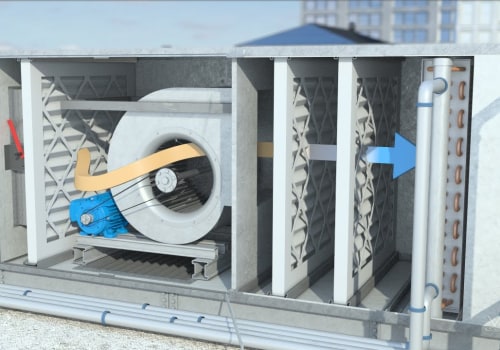
The compressor is often regarded as the heart of the AC unit. It compresses the refrigerant and circulates it through the system, enabling heat exchange to cool your home. The cost of a new compressor can range from $500 to $2,000, depending on the model and size of your unit. Labor costs for replacing a compressor can add another $200 to $500 to your total bill, making this one of the most expensive repairs.2.The Evaporator Coil
The evaporator coil is responsible for absorbing heat from the indoor air, which cools it down before it is circulated back into your home.If this component develops a leak or becomes damaged, it can lead to significant efficiency losses. Replacing an evaporator coil typically costs between $600 and $1,200, including labor. Regular maintenance can help prevent issues with this component.
3.The Condenser Coil
The condenser coil , located outside your home, releases heat absorbed by the refrigerant back into the environment. Similar to the evaporator coil, if it becomes dirty or damaged, it can hinder your AC's performance.Replacement costs for a condenser coil generally range from $700 to $1,500. Keeping this component clean and free from debris is crucial for maintaining efficiency.
4.Other Key Components
- Expansion Valve: This component regulates refrigerant flow into the evaporator coil. Replacement costs are typically around $200 to $400.
- Fan Motors: Both indoor and outdoor fan motors are essential for air circulation. Depending on the type, replacement can cost between $300 and $600.
- Thermostat: A malfunctioning thermostat can lead to inefficient cooling.
Replacing a thermostat usually costs between $100 and $300.
Common AC Unit Issues That Lead to Repairs
Homeowners often encounter a variety of issues with their air conditioning units, leading to unexpected repairs and costs. Understanding these common problems can help you identify signs of AC failure early and potentially save on repair expenses.- Refrigerant Leaks: One of the most prevalent issues is refrigerant leaks. When your AC unit loses refrigerant, it cannot effectively cool your home.
This not only leads to discomfort but can also cause the compressor to work harder, resulting in further damage and costly repairs. Signs of a refrigerant leak include hissing sounds, ice buildup on the coils, and a noticeable increase in energy bills.
- Electrical Failures: Electrical components such as capacitors, contactors, and relays can fail over time due to wear and tear or power surges. These failures can prevent your AC unit from starting or cause it to shut down unexpectedly. Homeowners may notice that their system is not responding when set to cool or that it frequently trips circuit breakers.
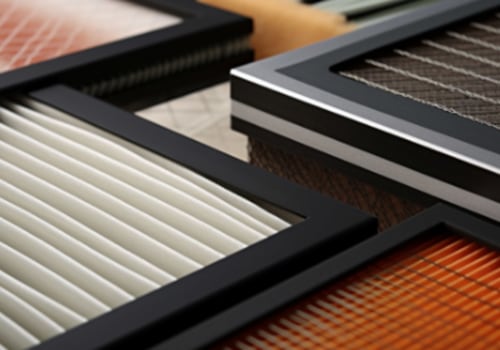
- Clogged Filters: Dirty or clogged air filters are another common issue that can lead to significant problems.
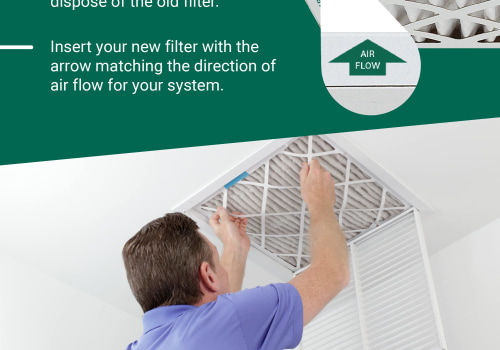
When filters are not changed regularly, airflow is restricted, causing the system to work harder and potentially leading to overheating or compressor failure. Homeowners should check and replace filters every 1-3 months, especially during peak usage seasons.
- Thermostat Malfunctions: A malfunctioning thermostat can lead to improper temperature regulation in your home. If your thermostat is not accurately reading the temperature or is unresponsive, it may need recalibration or replacement. This issue can often be mistaken for other problems, so it's essential to ensure your thermostat is functioning correctly.
- Drainage Issues: Air conditioning units produce condensation as they cool the air.
If the drain line becomes clogged, water can back up into the unit, leading to water damage and mold growth. Homeowners should regularly check the drain line for blockages and ensure proper drainage.
The Cost of Compressor Repairs: Why They Are So Expensive
When it comes to air conditioning systems, the compressor is often regarded as the most critical component, and consequently, its repairs can be quite costly.Understanding the reasons behind these high costs can help homeowners make informed decisions regarding their HVAC systems.One of the primary factors contributing to the expense of compressor repairs is the complexity of the component itself. The compressor is responsible for circulating refrigerant throughout the system, and any malfunction can lead to significant issues. Diagnosing problems with the compressor requires specialized knowledge and experience, which means that labor costs can be substantial. HVAC technicians must undergo extensive training to understand the intricacies of these systems, and their expertise comes at a price.In addition to labor costs, the price of replacement parts plays a significant role in the overall expense of compressor repairs.
Depending on the make and model of your air conditioning unit, a new compressor can range from $500 to $2,000 or more. This price does not include additional components that may need to be replaced during the repair process, such as refrigerant lines or electrical connections. As a result, homeowners may find themselves facing a hefty bill when it comes time to repair or replace their compressor.Moreover, the age and condition of your AC unit can influence repair decisions. If your system is older or has a history of frequent issues, it may be more cost-effective to consider a full AC replacement rather than investing in an expensive compressor repair.
Newer models often come with improved energy efficiency and advanced technology that can save you money on utility bills in the long run.Another aspect to consider is that not all compressor issues are straightforward. Some problems may stem from other components within the system, such as electrical failures or refrigerant leaks. This interconnectedness means that addressing a compressor issue may require additional diagnostic work and repairs, further driving up costs.In summary, the high cost of compressor repairs can be attributed to several factors: labor costs due to specialized knowledge, expensive replacement parts, and the complexity of diagnosing and fixing issues. Homeowners should weigh these factors carefully when faced with compressor problems and consult with a qualified HVAC technician to explore all available options.
When to Repair vs.
Replace Your AC UnitDeciding whether to repair or replace your air conditioning unit can be a daunting task for many homeowners. Understanding the factors that influence this decision is crucial for making a cost-effective choice that meets your long-term needs.
Age of the Unit
One of the primary considerations is the age of your AC unit. Most air conditioning systems have a lifespan of about 10 to 15 years. If your unit is approaching or has surpassed this age, it may be more prudent to consider a replacement rather than investing in repairs.
Older units are often less efficient and may not meet current energy standards, leading to higher utility bills.
Efficiency and Performance
Another critical factor is the efficiency of your current system. If you notice that your AC unit struggles to maintain a comfortable temperature, or if it frequently cycles on and off, these could be signs that it’s time for an upgrade. Newer models are designed with advanced technology that enhances energy efficiency, which can significantly reduce your monthly energy costs.
Cost of Repairs
When faced with a significant repair bill, it’s essential to weigh the cost against the potential benefits of replacing the unit. A good rule of thumb is the 50% rule: if the cost of repairs exceeds 50% of the price of a new unit, replacement may be the more economical option.
Additionally, consider how often you’ve had to repair the unit in recent years; frequent repairs can add up quickly and indicate that your system is nearing the end of its life.
Long-Term Costs
In addition to immediate repair costs, think about long-term expenses. A new AC unit may require a higher initial investment but can lead to substantial savings over time through lower energy bills and fewer repairs. Furthermore, many modern units come with warranties that cover parts and labor for several years, providing peace of mind.
Signs It’s Time to Replace
- Your AC unit is over 10 years old.
- You experience inconsistent cooling throughout your home.
- Your energy bills have increased significantly without any changes in usage.
- You hear unusual noises or notice strange odors coming from the unit.
- You’ve had multiple repairs in a short period.
The Benefits of Replacing Your AC Unit
When considering the longevity and performance of your home’s air conditioning system, the benefits of replacing an old AC unit with a new one cannot be overstated.While the initial investment may seem daunting, the long-term advantages often outweigh the costs, making it a wise decision for many homeowners.
Improved Energy Efficiency
One of the most significant benefits of a new AC unit is its enhanced energy efficiency. Modern HVAC systems are designed with advanced technology that allows them to operate more effectively than older models. For instance, many new units come equipped with SEER (Seasonal Energy Efficiency Ratio) ratings that are significantly higher than those of older systems. This means they use less energy to cool your home, which can lead to substantial savings on your utility bills.
Lower Utility Bills
With improved energy efficiency comes lower utility bills.
Homeowners often report a noticeable decrease in their monthly energy expenses after installing a new AC unit. This reduction can be particularly beneficial during the hot summer months when air conditioning usage peaks. By investing in a modern system, you not only enhance your comfort but also contribute to your financial well-being.
Enhanced Comfort Levels
A new air conditioning unit can significantly improve indoor comfort levels. Older systems may struggle to maintain consistent temperatures or may not effectively dehumidify the air, leading to discomfort.
In contrast, modern units are designed to provide better airflow and temperature control, ensuring that every room in your home remains comfortable regardless of external weather conditions.
Advanced Technology Features
Today’s air conditioning systems come with a variety of advanced features that enhance usability and convenience. Many units now offer smart technology integration, allowing homeowners to control their AC remotely via smartphones or smart home systems. Features such as programmable thermostats and variable speed motors further optimize performance and energy consumption.
Environmental Impact
Replacing an old AC unit with a new, energy-efficient model also has positive implications for the environment. Modern systems use refrigerants that have a lower impact on global warming compared to older models.
By upgrading, you contribute to reducing greenhouse gas emissions and promoting sustainability.In conclusion, while the decision to replace your AC unit may require careful consideration and investment, the benefits—ranging from improved energy efficiency and lower utility bills to enhanced comfort and advanced technology—make it a worthwhile endeavor for any homeowner looking to optimize their living environment.
Preventative Maintenance: How to Avoid Costly Repairs
Maintaining your air conditioning unit is crucial for ensuring its longevity and efficiency. Regular upkeep not only enhances performance but also significantly reduces the likelihood of costly repairs down the line. Here are some essential AC maintenance tips that every homeowner should consider:- Change Air Filters Regularly: One of the simplest yet most effective maintenance tasks is to change your air filters every 1-3 months. Clogged filters restrict airflow, making your AC work harder and potentially leading to overheating or compressor failure.
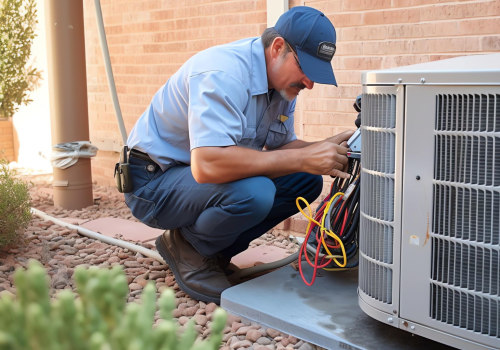
- Schedule Annual Professional Inspections: Having a certified HVAC technician inspect your system at least once a year can help identify potential issues before they escalate.
During these inspections, technicians can clean components, check refrigerant levels, and ensure that all parts are functioning correctly.
- Keep the Outdoor Unit Clean: The outdoor condenser unit should be free from debris such as leaves, dirt, and grass clippings. Regularly clear a two-foot radius around the unit to ensure proper airflow and efficiency.
- Check the Thermostat Settings: Ensure that your thermostat is functioning correctly and set to an appropriate temperature. Consider upgrading to a programmable thermostat for better energy management.
- Inspect Ductwork for Leaks: Leaky ducts can lead to significant energy loss and reduced efficiency. Inspect your ductwork for any visible signs of wear or damage and seal any leaks with duct tape or mastic sealant.
- Monitor System Performance: Pay attention to any changes in your AC’s performance, such as unusual noises, inconsistent cooling, or increased energy bills.
These could be early warning signs of underlying issues that need professional attention.
FAQs About AC Repairs and Replacements
When it comes to air conditioning systems, homeowners often have a myriad of questions regarding repairs and replacements.Understanding these aspects can help you make informed decisions about your HVAC system. Below are some frequently asked questions that address common concerns and misconceptions.
What are the signs that my AC unit needs repair?
There are several indicators that your air conditioning unit may require repair:- Unusual Noises: If you hear grinding, squealing, or banging sounds, it could indicate a mechanical issue.
- Inconsistent Temperatures: If some rooms are cooler than others or the unit fails to cool your home adequately, it may need attention.
- Increased Energy Bills: A sudden spike in your energy costs can suggest that your AC is working harder than it should due to inefficiencies.
- Foul Odors: Strange smells can indicate electrical issues or mold growth within the unit.
- Frequent Cycling: If your AC turns on and off more frequently than normal, it may be struggling to maintain the desired temperature.
How do I know if I should repair or replace my AC unit?
This decision often depends on several factors:- Age of the Unit: If your AC is over 10-15 years old, replacement might be more cost-effective in the long run.
- Cost of Repairs: If repairs exceed 50% of the cost of a new unit, consider replacing it.
- Energy Efficiency: Newer models are typically more energy-efficient, which can lead to savings on utility bills.
What should I expect during an AC replacement?
The process of replacing an air conditioning unit generally involves the following steps:- Assessment: A technician will evaluate your current system and recommend suitable replacements based on your home’s size and cooling needs.
- Removal: The old unit will be safely removed and disposed of according to local regulations.
- Installation: The new system will be installed, including necessary ductwork adjustments and electrical connections.
- Testing: After installation, the technician will test the system to ensure it operates correctly and efficiently.
Are there financing options available for AC replacements?
Many HVAC companies offer financing plans to help homeowners manage the cost of a new air conditioning system. Options may include:- No-interest financing: Some companies provide promotional periods where no interest is charged if paid in full within a specified time frame.
- Monthly payment plans: Spreading out payments over time can make a significant investment more manageable.
Conclusion: Making Informed Decisions About Your AC Unit
In conclusion, navigating the complexities of air conditioning unit repairs and replacements requires a thorough understanding of the options available to homeowners. Throughout this article, we have explored the various factors that contribute to the costs associated with AC unit repairs, particularly focusing on the compressor, which is often the most expensive component to fix.This knowledge is crucial for making informed decisions when faced with repair or replacement scenarios.One of the key takeaways is that while repairs can sometimes be a viable option, they may not always be the most cost-effective in the long run. Homeowners should weigh the benefits of investing in a new system against the costs of repairing an aging unit. A new air conditioning system not only comes with a fresh compressor but also incorporates advanced technology that enhances energy efficiency, potentially leading to significant savings on utility bills.Moreover, understanding the signs that indicate when it might be time for a replacement is essential. Frequent breakdowns, rising energy costs, and an overall decline in performance are all red flags that should prompt homeowners to consider their options carefully.
Consulting with a qualified HVAC technician can provide valuable insights into whether a repair is feasible or if a replacement is warranted.Additionally, regular maintenance plays a pivotal role in prolonging the lifespan of your AC unit and minimizing repair costs. Simple actions such as changing air filters regularly, scheduling annual inspections, and addressing minor issues promptly can prevent major problems down the line.Ultimately, making informed decisions about your AC unit involves balancing immediate repair costs with long-term benefits. By staying educated about your options and maintaining your system diligently, you can ensure that your home remains comfortable without breaking the bank.