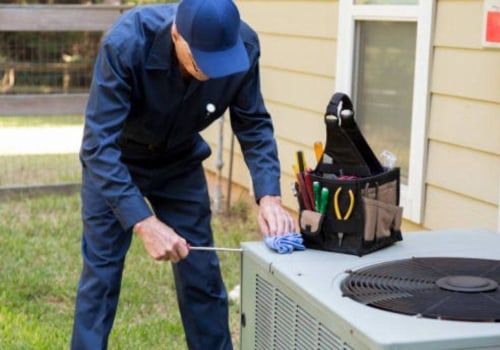
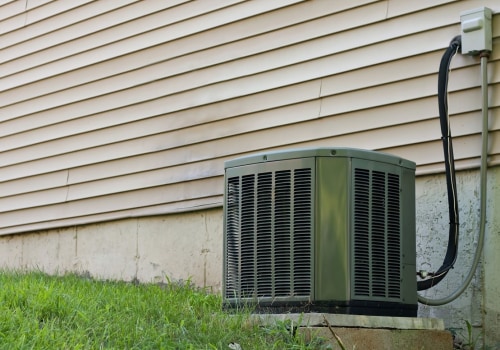
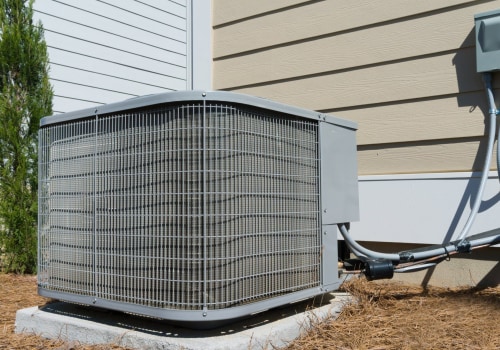
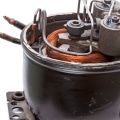
To fully appreciate the importance of your air conditioning system, it is essential to understand the role of the AC condenserAC condenser. This critical component is responsible for dissipating heat absorbed from your home, allowing your air conditioning unit to cool the indoor air effectively. The condenser works in tandem with other parts of the system, such as the evaporator coil and compressor, to ensure that your living space remains comfortable even during the hottest months of the year.The function of an AC condenser can be likened to that of a radiator in a car. Just as a radiator releases heat from the engine, the AC condenser expels heat from the refrigerant that has absorbed warmth from inside your home.
When refrigerant flows into the condenser, it transitions from a gas back into a liquid state, releasing heat in the process. This cycle is vital for maintaining a consistent and comfortable temperature indoors.Understanding your AC condenser is not just about knowing its function; it also plays a significant role in the overall efficiency and longevity of your air conditioning system. A well-maintained condenser can lead to improved energy efficiency, which translates to lower utility bills and a reduced environmental impact. Conversely, neglecting this component can result in decreased performance, higher energy costs, and ultimately, the need for costly AC replacements.
By familiarizing yourself with how your AC condenser operates and its importance within the system, you can take proactive steps to ensure its longevity and reliability.
Factors Influencing the Lifespan of Your AC Condenser
The lifespan of your AC condenser is influenced by a variety of factors, each playing a crucial role in determining how long your unit will effectively operate. Understanding these factors can help you make informed decisions about maintenance and usage, ultimately extending the life of your air conditioning system.1.Environmental Conditions
- Climate: The climate in which you live significantly impacts your AC condenser's lifespan. Units in hotter, more humid climates tend to work harder and may wear out faster than those in milder conditions.
- Location: The placement of your AC condenser is vital. If it’s situated in a shaded area, it may not receive adequate airflow, while units placed too close to shrubs or fences can experience restricted airflow, leading to overheating and increased wear.
- Debris and Pollution: Dust, leaves, and other debris can accumulate around the condenser, obstructing airflow.
Additionally, high levels of pollution can lead to corrosion and other damage over time.
2.Usage Patterns
- Frequency of Use: The more frequently you use your AC unit, the more strain it experiences. Regularly running the system at lower temperatures can lead to increased wear and tear.
- Temperature Settings: Setting your thermostat to extreme temperatures can cause the unit to work harder than necessary. Maintaining a moderate temperature can help reduce stress on the system.
3.Maintenance Practices
- Regular Inspections: Scheduling annual professional inspections can help identify potential issues before they become major problems. Technicians can clean coils, check refrigerant levels, and ensure all components are functioning properly.
- Filter Replacement: Changing air filters regularly is essential for maintaining good airflow and efficiency.
Clogged filters can restrict airflow, causing the unit to work harder and potentially leading to premature failure.
- Cleaning Coils: Keeping the evaporator and condenser coils clean is crucial for efficient operation. Dirty coils can lead to overheating and reduced efficiency, ultimately shortening the lifespan of your unit.
Regular Maintenance Practices for Longevity
To ensure your AC condenser operates efficiently and has a prolonged lifespan, regular maintenance is essential. Implementing a routine maintenance schedule can prevent minor issues from escalating into costly repairs or premature replacements.Here are some key practices that homeowners can adopt:
- Clean or Replace Air Filters: One of the simplest yet most effective maintenance tasks is to regularly check and replace your air filters. Clogged filters restrict airflow, forcing your AC unit to work harder, which can lead to overheating and increased energy consumption. Aim to inspect your filters every month and replace them at least every three months, or more frequently if you have pets or live in a dusty area.
- Clear Debris Around the Unit: The area surrounding your AC condenser should be free of debris, leaves, and vegetation. Overgrown plants can obstruct airflow, reducing efficiency and potentially causing damage.
Regularly trim back any shrubs or grass that encroach on the unit, ensuring at least two feet of clearance around it.
- Inspect the Condenser Coils: The coils of your AC condenser play a crucial role in heat exchange. Dust and dirt can accumulate on these coils over time, diminishing their ability to cool effectively. Use a soft brush or a vacuum with a brush attachment to gently clean the coils. For a deeper clean, consider using a specialized coil cleaner available at hardware stores.
- Check the Drain Line: A clogged drain line can lead to water buildup and potential damage to your unit.
Periodically inspect the drain line for blockages and clear any debris that may be obstructing it. You can also flush the line with a mixture of vinegar and water to help prevent clogs.
- Schedule Professional Inspections: While many maintenance tasks can be performed by homeowners, it’s wise to schedule professional inspections at least once a year. A qualified technician can identify potential issues that may not be visible during routine checks and perform necessary adjustments or repairs.
The Role of Air Filters in AC Performance
Air filters play a crucial role in the performance and efficiency of your air conditioning system.They are designed to trap dust, dirt, pollen, and other airborne particles, preventing them from circulating through your home. This not only helps maintain indoor air quality but also protects the internal components of your AC unit.
Importance of Air Filters
- Improved Air Quality: Clean air filters significantly enhance the quality of air in your home by reducing allergens and pollutants.
- Energy Efficiency: A clogged or dirty filter forces your AC unit to work harder to pull air through, leading to increased energy consumption and higher utility bills.
- Extended Lifespan: Regularly changing your air filters can help extend the lifespan of your AC unit by reducing strain on the system.
How Air Filters Affect AC Lifespan
The condition of your air filter directly impacts the overall health of your AC system. When filters are dirty or clogged, airflow is restricted, causing the compressor and other components to work overtime. This added stress can lead to premature wear and tear, resulting in costly repairs or even a complete system failure.
By ensuring that your filters are clean and replaced regularly, you can help maintain optimal airflow and reduce the risk of breakdowns.
Changing Air Filters
To maximize the benefits of air filters, it’s essential to change them regularly. Here are some guidelines to follow:
- Frequency: Check your filters every month, especially during peak usage seasons. Replace them at least every three months, or more often if you have pets or allergies.
- Type of Filter: Choose filters that fit your specific AC model. Options include fiberglass, pleated, and HEPA filters, each with varying levels of filtration efficiency.
- Installation: Ensure that you install the new filter correctly, following the airflow direction indicated on the filter frame.
Regularly changing filters is a simple yet effective way to ensure that your system runs efficiently for years to come.
Optimal Placement of Your AC Condenser
When it comes to maximizing the efficiency and lifespan of your AC condenser, the placement of the unit is crucial. An optimally placed AC condenser not only enhances its performance but also contributes to energy savings and overall comfort in your home. Here are some essential tips for ensuring that your AC condenser is positioned for optimal airflow and efficiency.- Choose a Shady Spot: Ideally, your AC condenser should be located in a shaded area. Direct sunlight can increase the temperature of the unit, forcing it to work harder to cool your home.
If possible, position the condenser on the north or east side of your house, where it will receive less sun exposure throughout the day.
- Avoid Obstructions: Ensure that there is ample space around your AC condenser for proper airflow. Ideally, there should be at least two feet of clearance on all sides of the unit. This allows air to circulate freely, which is essential for efficient operation. Avoid placing the unit near tall plants, fences, or walls that could block airflow.
- Consider Ground Level: Placing your AC condenser on a solid, level surface is vital.
This not only helps with drainage but also prevents vibrations that can lead to wear and tear over time. If you live in an area prone to flooding, consider elevating the unit on a concrete pad or platform to protect it from water damage.
- Distance from Heat Sources: Keep your AC condenser away from heat-generating appliances such as grills or outdoor heaters. Proximity to these sources can cause the unit to work harder than necessary, leading to increased energy consumption and potential overheating.
- Accessibility for Maintenance: Ensure that your AC condenser is easily accessible for routine maintenance and repairs. A well-placed unit will allow technicians to perform necessary checks without difficulty, which can help catch potential issues early and extend the lifespan of your system.
By selecting a shaded location with adequate airflow, ensuring a level surface, maintaining distance from heat sources, and allowing easy access for maintenance, you can significantly enhance the efficiency of your air conditioning system. Taking these steps not only improves comfort in your home but also helps you avoid costly AC replacements down the line.
Signs Your AC Condenser Needs Attention
Recognizing the signs that your AC condenser requires attention is crucial for maintaining a comfortable home environment and avoiding costly repairs. Here are some key indicators that your unit may be showing its age or experiencing issues:- Increased Energy Bills: If you notice a sudden spike in your energy costs, it could be a sign that your AC condenser is struggling to operate efficiently. An aging unit often has to work harder to cool your home, leading to higher energy consumption.
- Inconsistent Cooling: Are certain rooms in your home warmer than others? Inconsistent cooling can indicate that your AC condenser is not functioning properly.
This could be due to a refrigerant leak, a failing compressor, or other mechanical issues.
- Unusual Noises: Pay attention to any strange sounds coming from your AC unit. Grinding, squealing, or rattling noises can signal mechanical problems that need immediate attention. These sounds often indicate worn-out components or loose parts.
- Frequent Cycling: If your AC unit turns on and off more frequently than usual, it may be struggling to maintain the desired temperature. This short cycling can lead to increased wear and tear on the system, ultimately shortening its lifespan.
- Foul Odors: A musty or burning smell emanating from your AC unit can indicate mold growth or electrical issues.
Both situations require prompt professional evaluation to prevent further damage and health risks.
- Age of the Unit: If your AC condenser is over 10 years old and exhibiting any of the above signs, it may be time to consider a replacement. Older units are less efficient and more prone to breakdowns, making them less cost-effective in the long run.
Repair vs.
Replacement: Making the Right ChoiceWhen faced with an aging AC condenser, homeowners often grapple with the decision of whether to repair or replace the unit. This choice can significantly impact both comfort and finances, making it essential to evaluate several factors before making a decision.
Assessing the Condition of Your AC Unit
- Age of the Unit: Generally, if your AC condenser is over 10 years old, it may be more cost-effective to consider a replacement. Older units tend to be less efficient and may require more frequent repairs.
- Frequency of Repairs: If you find yourself calling for repairs multiple times a year, it might be a sign that your unit is nearing the end of its lifespan. A good rule of thumb is the "$5,000 rule"—if the cost of repairs exceeds 50% of the cost of a new unit multiplied by its age in years, replacement may be the better option.
- Performance Issues: Noticeable drops in cooling efficiency or inconsistent temperatures throughout your home can indicate that your AC condenser is struggling.
If these issues persist despite repairs, replacement could be necessary.
Cost Considerations
The financial aspect plays a crucial role in deciding whether to repair or replace your AC condenser. Here are some key points to consider:
- Repair Costs: Minor repairs can be relatively inexpensive, but as the unit ages, costs can escalate quickly. Regular maintenance can help mitigate some repair costs, but it’s important to weigh these against potential replacement expenses.
- Replacement Costs: While the upfront cost of a new AC condenser can be significant, modern units are often more energy-efficient, leading to lower utility bills over time. Additionally, many new models come with warranties that can provide peace of mind.
- Long-Term Savings: Investing in a new unit may seem daunting initially, but consider the long-term savings on energy bills and reduced repair costs.
Newer models often have improved technology that enhances efficiency and performance.
Making an Informed Decision
Ultimately, the choice between repairing or replacing your AC condenser should be based on a thorough evaluation of its condition, repair history, and financial implications. Consulting with a qualified HVAC professional can provide valuable insights tailored to your specific situation. They can help you assess whether your current unit has enough life left in it or if investing in a new system would be more beneficial in the long run.By carefully considering these factors, you can make an informed decision that ensures your home remains comfortable while also being mindful of your budget.
Enhancing Efficiency with Additional Tools
To maximize the efficiency of your air conditioning system and extend the lifespan of your AC condenser, incorporating additional tools and strategies can make a significant difference. Here are some effective methods to enhance your AC's performance:Utilizing Dehumidifiers
One of the most effective ways to improve the efficiency of your air conditioning system is by using a dehumidifier.High humidity levels can make your home feel warmer than it actually is, causing your AC unit to work harder to cool the air. By reducing humidity, a dehumidifier allows your air conditioner to operate more efficiently, leading to:
- Lower energy consumption: With reduced humidity, your AC doesn't have to expend as much energy to cool the air, which can lead to lower utility bills.
- Improved comfort: A dehumidifier helps maintain a comfortable indoor environment, making it feel cooler even at higher temperatures.
- Extended lifespan: By alleviating the workload on your AC unit, a dehumidifier can contribute to a longer lifespan for your condenser.
Ceiling Fans: A Perfect Companion
Another excellent tool for enhancing AC efficiency is the use of ceiling fans. These fans help circulate cool air throughout your home, which can significantly improve comfort levels. Here’s how ceiling fans contribute:- Air circulation: Ceiling fans create a wind-chill effect that makes you feel cooler without lowering the temperature.
This allows you to set your thermostat a few degrees higher, reducing the strain on your AC.
- Energy savings: By using ceiling fans in conjunction with your air conditioning system, you can save on energy costs while maintaining comfort.
- Versatility: Many ceiling fans come with reversible motors, allowing you to switch the direction of airflow depending on the season. In summer, they should rotate counterclockwise to create a cooling breeze; in winter, clockwise rotation helps distribute warm air.
Additional Tools for Performance Improvement
In addition to dehumidifiers and ceiling fans, there are several other tools and strategies that can enhance your AC's performance:- Smart thermostats: These devices allow you to program temperature settings based on your schedule, optimizing energy use and ensuring that your AC runs only when needed.
- Regular maintenance tools: Investing in quality maintenance tools such as vacuum cleaners for cleaning coils and filters can help keep your system running smoothly.
- Insulation improvements: Enhancing insulation in your home can prevent cool air from escaping and reduce the workload on your AC unit.
Professional Maintenance Services: When to Call an Expert
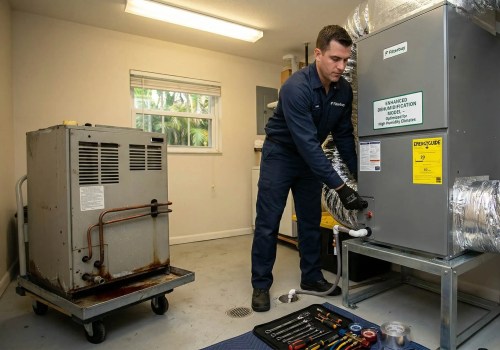
Maintaining your AC system is crucial for ensuring its longevity and efficiency. While many homeowners can perform basic maintenance tasks, there are times when it’s essential to call in a professional HVAC technician.Understanding when to seek expert help can save you time, money, and potential headaches down the line.
When to Hire an HVAC Technician
There are several scenarios where hiring a professional is not just beneficial but necessary:- Unusual Noises: If your AC unit starts making strange sounds such as grinding, squealing, or banging, it’s a sign that something is wrong. These noises can indicate mechanical issues that require expert diagnosis.
- Inconsistent Cooling: If certain rooms in your home are warmer than others or if your AC struggles to maintain the set temperature, it may be time to consult a technician. This could be due to refrigerant leaks or ductwork problems.
- Frequent Cycling: An AC unit that turns on and off frequently may be experiencing electrical issues or an improperly sized system. A professional can assess the situation and recommend solutions.
- High Energy Bills: If you notice a sudden spike in your energy bills without a corresponding increase in usage, it could indicate that your AC is working harder than it should.
A technician can identify inefficiencies and suggest improvements.
- Age of the Unit: If your AC system is over 10 years old and hasn’t been regularly maintained, it’s wise to schedule a professional inspection. Older units may require more frequent servicing to keep them running efficiently.
Benefits of Professional Maintenance
Investing in professional maintenance services offers numerous advantages:- Expertise: HVAC technicians have the training and experience to identify issues that may not be apparent to the average homeowner. Their expertise ensures that problems are diagnosed accurately and resolved effectively.
- Comprehensive Inspections: Professionals conduct thorough inspections of your entire system, checking for potential issues that could lead to costly repairs if left unaddressed.
- Improved Efficiency: Regular maintenance by an expert can enhance the efficiency of your AC unit, leading to lower energy bills and improved comfort levels in your home.
- Extended Lifespan: By addressing minor issues before they escalate into major problems, professional maintenance can significantly extend the lifespan of your AC system.
<strong>Conclusion</strong>
In summary, extending the lifespan of your AC condenser is not just about occasional repairs or replacements; it requires a proactive approach to maintenance and awareness of the unit's performance.By implementing the tips and tricks discussed throughout this article, you can significantly enhance the longevity and efficiency of your air conditioning system.Regular maintenance is paramount. This includes:
- Routine Inspections: Schedule annual check-ups with a qualified HVAC technician to identify potential issues before they escalate.
- Filter Replacement: Change your air filters every 1-3 months to ensure optimal airflow and prevent dust buildup.
- Cleaning the Condenser Coils: Keep the outdoor unit free from debris, leaves, and dirt to maintain efficient heat exchange.
- Unusual Noises: Any strange sounds could indicate mechanical issues that need immediate attention.
- Inconsistent Cooling: If certain areas of your home are not cooling effectively, it may signal a problem with the condenser.
- Increased Energy Bills: A sudden spike in energy costs can suggest that your AC is working harder than it should be, often due to inefficiencies.
Using additional tools like ceiling fans or dehumidifiers can also alleviate some of the workload on your AC unit, allowing it to function more effectively.Ultimately, while AC replacements may be necessary at some point, taking these preventive measures can delay that need and save you money in the long run. By investing time and effort into maintaining your AC condenser, you not only enhance its performance but also ensure a comfortable living environment for years to come.