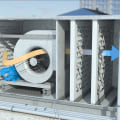
In the realm of modern living, HVAC systems play a pivotal role in ensuring comfort and energy efficiency within our homes and workplaces. These systems, which encompass heating, ventilation, and air conditioning, are designed to regulate indoor temperatures and air quality, making them essential for maintaining a pleasant environment regardless of external weather conditions. Understanding the intricacies of HVAC systems is crucial for homeowners and business owners alike, as it directly impacts not only comfort but also energy consumption and costs.The lifespan of an HVAC system is influenced by a myriad of factors, including the quality of components, installation practices, and ongoing maintenance. A well-maintained system can last significantly longer than one that is neglected.
For instance, regular filter changes and professional inspections can prevent minor issues from escalating into major problems that could shorten the system's lifespan. Additionally, the choice of system type—whether it be a traditional split system or a more advanced geothermal heat pump—can also dictate longevity.Moreover, understanding your local climate is essential when selecting an HVAC system. Systems that are overworked due to extreme temperatures may experience wear and tear more quickly than those operating in milder conditions. This makes it imperative to choose a system that not only meets your comfort needs but is also suited to the environmental demands of your area.
By grasping these fundamental concepts surrounding HVAC systems and their lifespans, you can make informed decisions that enhance both comfort and efficiency in your living or working space.
Key Factors Influencing HVAC Longevity
When it comes to the longevity of HVAC systems, several key factors play a crucial role in determining how long your system will last. Understanding these factors can help you make informed decisions when it comes to AC replacements and maintenance practices.Quality of Components
The materials and components used in an HVAC system significantly influence its durability. High-quality parts are designed to withstand wear and tear over time, reducing the likelihood of breakdowns. When selecting an HVAC system, look for brands that are known for their commitment to quality.Systems that utilize advanced technology and superior materials often come with longer warranties, which can be a good indicator of their expected lifespan.
Regular Maintenance Practices
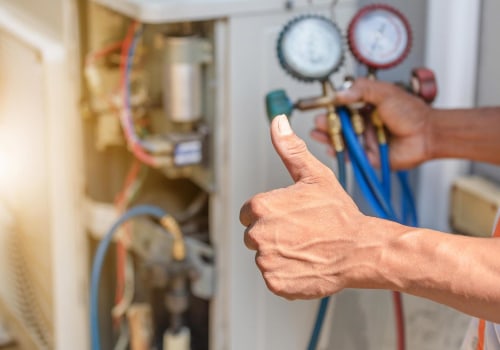
One of the most critical aspects of extending the life of your HVAC system is regular maintenance. Just like any other mechanical system, HVAC units require routine check-ups to ensure they are operating efficiently. Neglecting maintenance can lead to a host of problems, including:- Reduced efficiency
- Increased energy costs
- Frequent breakdowns
- Shortened lifespan
Environmental Considerations
The environment in which your HVAC system operates also affects its lifespan.Factors such as humidity levels, temperature fluctuations, and exposure to pollutants can all contribute to wear and tear. For instance, systems installed in coastal areas may be more susceptible to corrosion due to salt exposure. Additionally, extreme temperature variations can put extra strain on your unit, leading to premature failure.Choosing an HVAC system that is specifically designed for your local climate can help mitigate these risks. Systems that are built to handle specific environmental conditions tend to perform better and last longer.In summary, the longevity of your HVAC system hinges on a combination of quality components, diligent maintenance practices, and environmental considerations.
By paying attention to these factors, you can ensure that your investment in an HVAC system pays off in the long run.
The Role of Quality Components in HVAC Systems
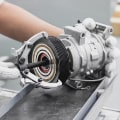
When it comes to the longevity and reliability of HVAC systems, the significance of quality components cannot be overstated. Investing in a system built with high-grade materials not only enhances durability but also improves overall performance and energy efficiency. Here are some key aspects to consider when evaluating the quality of components in HVAC systems:- Compressor Quality: The compressor is often referred to as the heart of an HVAC system. A high-quality compressor can withstand the rigors of daily operation, reducing the likelihood of breakdowns.
Look for systems that feature scroll or rotary compressors, as these types are known for their efficiency and longevity.
- Heat Exchangers: The heat exchanger is crucial for transferring heat effectively. Opt for units made from corrosion-resistant materials such as stainless steel or aluminum, which can significantly extend the lifespan of your system by preventing rust and deterioration.
- Insulation: Proper insulation within the HVAC system helps maintain temperature and reduces energy loss. High-quality insulation materials not only improve efficiency but also contribute to quieter operation, enhancing your overall comfort.
- Fan Blades: Durable fan blades made from high-strength materials can withstand wear and tear better than cheaper alternatives. Look for systems with fan blades designed to minimize noise while maximizing airflow.
- Electrical Components: The electrical components, including wiring and circuit boards, should be robust and well-protected against environmental factors.
Systems with high-quality electrical parts are less prone to failures, ensuring consistent performance over time.
Importance of Regular Maintenance for HVAC Systems
Regular maintenance of HVAC systems is not just a recommendation; it is a necessity for ensuring optimal performance and longevity. Just like any complex machinery, HVAC systems require consistent care to function efficiently and effectively.Neglecting maintenance can lead to a host of problems, including decreased efficiency, higher energy bills, and even premature system failure.
Benefits of Regular Maintenance
- Improved Efficiency: A well-maintained HVAC system operates more efficiently, which translates to lower energy costs. Regular checks and cleanings help ensure that the system is not working harder than necessary.
- Extended Lifespan: Routine maintenance can significantly extend the lifespan of your HVAC system. By addressing minor issues before they escalate into major problems, you can avoid costly repairs and replacements.
- Enhanced Air Quality: Regular maintenance includes changing filters and cleaning ducts, which helps improve indoor air quality. This is particularly important for those with allergies or respiratory issues.
- Fewer Breakdowns: Consistent maintenance reduces the likelihood of unexpected breakdowns.
This not only saves you money on emergency repairs but also ensures your comfort during extreme weather conditions.
- Warranty Protection: Many HVAC manufacturers require regular maintenance to keep warranties valid. Failing to adhere to these guidelines could void your warranty, leaving you responsible for any repairs or replacements.
HVAC Maintenance Tips
- Schedule Regular Inspections: Aim for at least two professional inspections per year—one before the cooling season and another before the heating season. This allows technicians to identify potential issues early on.
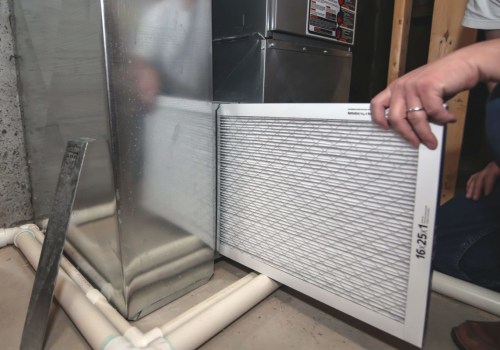
- Change Filters Regularly: Depending on usage, filters should be changed every 1-3 months. Clogged filters restrict airflow and force the system to work harder.
- Clean the Outdoor Unit: Ensure that the outdoor condenser unit is free from debris such as leaves, dirt, and grass clippings.
This helps maintain proper airflow and efficiency.
- Check Thermostat Settings: Ensure that your thermostat is functioning correctly and set to appropriate temperatures for your comfort needs.
- Inspect Ductwork: Look for signs of leaks or blockages in your ductwork. Sealing leaks can improve efficiency and air quality.
Climate Considerations When Choosing an HVAC System
When selecting an HVAC system, understanding the climate compatibility is crucial. Different regions experience varying weather patterns, which can significantly influence the performance and longevity of your HVAC system.By choosing a system tailored to your local climate, you can enhance efficiency and extend its lifespan.
Climate Zones and Their Impact
- Tropical Climates: In areas with high humidity and temperatures, such as Florida or Hawaii, air conditioning systems work harder to maintain comfortable indoor conditions. Systems designed for these climates often feature enhanced dehumidification capabilities to combat moisture buildup.
- Cold Climates: Regions that experience harsh winters, like the northern states, require HVAC systems that can efficiently heat spaces without excessive energy consumption. Heat pumps may struggle in extreme cold, making traditional furnaces or dual-fuel systems a better choice.
- Temperate Climates: Areas with moderate temperatures benefit from versatile systems like heat pumps that can provide both heating and cooling. These systems are generally more efficient and can last longer due to less strain from extreme temperature fluctuations.
- Coastal Areas: Homes near the ocean face unique challenges, including salt exposure that can corrode HVAC components.
Choosing systems with corrosion-resistant materials is essential for longevity in these environments.
Choosing the Right System for Your Climate
To ensure your HVAC system performs optimally in your specific climate, consider the following:
- Energy Efficiency Ratings: Look for systems with high SEER (Seasonal Energy Efficiency Ratio) ratings for cooling and HSPF (Heating Season Performance Factor) ratings for heating. Higher ratings indicate better efficiency, which is especially important in extreme climates.
- System Type: Evaluate whether a central air conditioning unit, ductless mini-split, or heat pump is best suited for your needs based on your climate. For instance, heat pumps are ideal for moderate climates but may not perform well in areas with severe winter conditions.
- Local Expertise: Consult with local HVAC professionals who understand the specific challenges posed by your climate. They can recommend systems that have proven effective in your area and provide insights into installation and maintenance practices.
By selecting a system that aligns with your regional weather conditions, you can enjoy a comfortable indoor environment while maximizing the lifespan of your investment.
Types of Long-Lasting HVAC Systems
When it comes to selecting an HVAC system that promises longevity, understanding the different types available is crucial. Each type of system has its unique advantages and typical lifespans, making them suitable for various needs and environments. Below, we explore some of the most durable HVAC options on the market.Split Systems
Split systems are among the most popular choices for residential and commercial spaces due to their efficiency and ease of maintenance. These systems consist of two main components: an indoor unit that handles air distribution and an outdoor unit that contains the compressor and condenser.- Longevity: With proper maintenance, split systems can last between 15 to 20 years.
- Advantages: They are relatively easy to repair, and their modular design allows for flexibility in installation.
- Energy Efficiency: Many modern split systems come with high SEER (Seasonal Energy Efficiency Ratio) ratings, which can lead to significant energy savings over time.
Geothermal Heat Pumps
Geothermal heat pumps are another excellent option for those seeking long-lasting HVAC solutions.These systems utilize the stable temperatures found underground to heat and cool your home efficiently.
- Longevity: Geothermal systems can last upwards of 25 years or more with minimal maintenance.
- Advantages: They are highly efficient, often achieving efficiencies of 300% to 600%, meaning they produce three to six units of heating or cooling for every unit of electricity consumed.
- Environmental Impact: By using renewable energy from the ground, geothermal systems significantly reduce carbon footprints compared to traditional HVAC systems. By using renewable energy from the ground, geothermal systems significantly reduce carbon footprints compared to traditional HVAC systems.
Ductless Mini-Split Systems
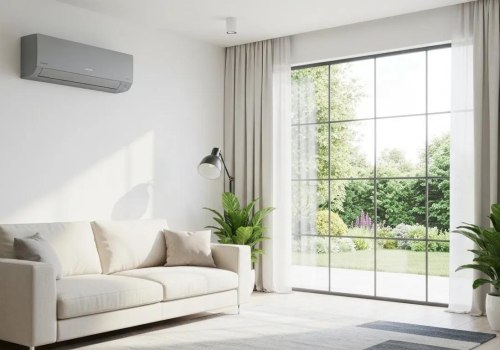
Ductless mini-split systems offer a versatile solution for homes without existing ductwork. These systems consist of an outdoor compressor and one or more indoor air-handling units.- Longevity: With proper care, ductless mini-splits can last around 15 to 20 years.
- Advantages: They provide zoned heating and cooling, allowing homeowners to control temperatures in individual rooms, which can lead to further energy savings.
- Installation Flexibility: Their compact design makes them suitable for various spaces, including apartments and older homes.
Expert Recommendations for Choosing Durable HVAC Systems
When it comes to selecting an HVAC system that promises durability and longevity, expert recommendations can make a significant difference. Here are some key factors to consider:- Brand Reputation: Opt for brands that have established a strong reputation in the HVAC industry.
Companies like Lennox, Trane, and Carrier are known for their commitment to quality and innovation. Research customer reviews and industry ratings to gauge the reliability of different brands.
- Energy Efficiency Ratings: Look for systems with high SEER (Seasonal Energy Efficiency Ratio) ratings. Higher efficiency not only reduces energy costs but also indicates a well-engineered system that is likely to last longer. Systems with energy-efficient designs often experience less wear and tear.
- Warranty Options: A robust warranty can be a good indicator of a manufacturer’s confidence in their product.
Look for HVAC systems that offer extended warranties, as this can provide peace of mind and protection against unexpected repairs.
- Professional Installation: The installation process is critical to the performance and longevity of your HVAC system. Hiring a qualified contractor who is experienced with the specific brand and model you choose can ensure that the system is installed correctly, minimizing potential issues down the line.
- Regular Maintenance Plans: Consider investing in a maintenance plan offered by your contractor. Regular check-ups can help identify potential problems early, ensuring your system operates efficiently and lasts longer.
- Compatibility with Local Climate: Choose an HVAC system that is designed to perform well in your specific climate conditions. For instance, systems that are optimized for humid environments may have features that enhance their durability in such conditions.
By following these expert recommendations, you can make an informed decision that will lead to a reliable and durable HVAC solution for your home or business.
Top Brands Known for Longevity in HVAC Systems
When it comes to selecting an HVAC system that promises longevity, the brand you choose plays a pivotal role. Several manufacturers have established themselves as leaders in producing reliable and durable air conditioning systems. Below, we explore some of the top brands recognized for their commitment to quality and customer satisfaction.- Lennox : With over 126 years in the HVAC industry, Lennox is synonymous with innovation and efficiency. Their systems are designed with advanced technology that not only enhances performance but also minimizes energy consumption.
Customers frequently praise Lennox for their ultra-quiet operation and long-lasting components, making them a top choice for homeowners seeking durability.
- Trane : Known for its robust construction and reliability, Trane has built a reputation for producing HVAC systems that withstand the test of time. Their units often come with a comprehensive warranty, reflecting the brand's confidence in its products. Trane's commitment to quality is evident in their rigorous testing processes, ensuring that each system can handle extreme weather conditions.
- Carrier : As one of the pioneers in air conditioning technology, Carrier has been a trusted name for decades. Their systems are engineered for longevity and efficiency, with many models featuring advanced filtration systems that improve indoor air quality.
Carrier's dedication to customer satisfaction is reflected in their high ratings and positive reviews from users.
- Rheem : Rheem is another brand that stands out for its reliable HVAC solutions. Known for their heat pumps and air conditioners, Rheem products are designed to provide consistent performance over many years. Customers appreciate Rheem's focus on energy efficiency, which not only extends the lifespan of their systems but also reduces utility bills.
- Goodman : While often considered a budget-friendly option, Goodman does not compromise on quality. Their HVAC systems are built with durable materials and come with extensive warranties, making them a popular choice among homeowners looking for value without sacrificing longevity.
Goodman’s commitment to customer service further enhances their reputation as a reliable manufacturer.
The Impact of Environmental Factors on HVAC Lifespan
Environmental factors play a significant role in determining the lifespan of HVAC systems. Understanding how elements like humidity and salt air can affect your air conditioning units is crucial for making informed decisions about AC replacements and maintenance.Humidity and Its Effects on HVAC Systems
High humidity levels can lead to a range of issues for HVAC systems. When the air is saturated with moisture, it can cause the system to work harder to maintain a comfortable indoor environment.This increased workload can lead to:
- Increased Wear and Tear: The components of your HVAC system, such as the compressor and evaporator coils, may experience accelerated wear due to the constant strain of managing high humidity.
- Mold and Mildew Growth: Excess moisture can create an ideal environment for mold and mildew, which can not only damage your system but also pose health risks to occupants.
- Corrosion: Humidity can lead to condensation on metal parts, increasing the risk of rust and corrosion over time.
The Impact of Salt Air on AC Units
If you live in coastal areas, salt air can be particularly damaging to HVAC systems. The salt particles in the air can settle on the components of your AC unit, leading to:- Corrosion: Salt is highly corrosive and can accelerate the deterioration of metal parts, including coils and electrical connections.
- Reduced Efficiency: A buildup of salt can hinder airflow and heat exchange processes, causing your system to work harder and consume more energy.
- Shortened Lifespan: The cumulative effects of corrosion and reduced efficiency can significantly shorten the lifespan of your HVAC system.
By taking proactive measures, you can ensure that your investment in AC replacements pays off in terms of durability and efficiency.
<strong>Conclusion</strong>
In conclusion, selecting the right HVAC system is a critical decision that can significantly impact your comfort, energy efficiency, and overall satisfaction in your home or business. The longevity of your system hinges on several key factors, including the quality of components, regular maintenance, and compatibility with your local climate.Investing in a high-quality HVAC system from reputable brands can pay off in the long run. Systems like split HVAC units and geothermal heat pumps are excellent choices for those seeking durability and efficiency. These systems not only provide reliable performance but also tend to have longer lifespans when properly maintained.Moreover, regular maintenance cannot be overstated.Scheduling routine check-ups with a qualified technician ensures that your system operates at peak efficiency and helps identify potential issues before they escalate into costly repairs. Simple tasks such as changing filters, cleaning coils, and checking refrigerant levels can make a significant difference in the lifespan of your HVAC system.Additionally, understanding the climate in which you live is essential. Different systems perform better under varying conditions, and selecting one that aligns with your environment can enhance its longevity. For instance, heat pumps may be more suitable for moderate climates where they can efficiently provide both heating and cooling.Finally, choosing a trustworthy contractor is paramount.
A skilled professional will not only assist you in selecting the right system but will also ensure proper installation and maintenance practices are followed. This partnership can lead to a more reliable HVAC system that stands the test of time.By considering these factors—quality components, diligent maintenance, climate compatibility, and expert installation—you can make an informed decision that will lead to a long-lasting HVAC system. Remember, the right choice today can save you from unexpected expenses and discomfort tomorrow.