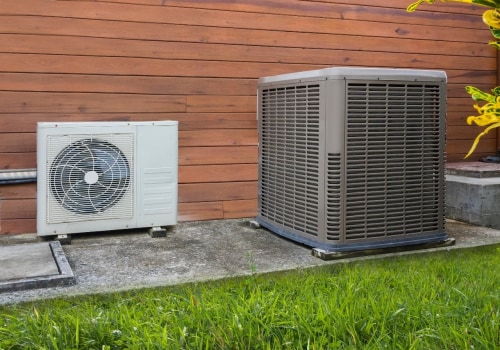
When it comes to AC replacements, many homeowners find themselves grappling with a crucial question: should you replace the air handler when replacing the outdoor AC unit? Understanding the intricate relationship between these two components is essential for ensuring optimal performance and efficiency of your HVAC system. The air handler, which circulates conditioned air throughout your home, works in tandem with the outdoor unit to create a balanced and effective cooling solution. If these units are mismatched or outdated, it can lead to a host of problems, including reduced efficiency, increased energy costs, and frequent breakdowns.Replacing only the outdoor unit may seem like a cost-effective solution at first glance, but it often overlooks the importance of compatibility and system performance. Modern HVAC systems are designed to operate as cohesive units, where each component plays a vital role in overall functionality.
For instance, if you install a new high-efficiency outdoor unit while retaining an older air handler, you may not achieve the desired energy savings or cooling capacity. This mismatch can result in an imbalance that strains both units, leading to premature wear and tear.Moreover, many manufacturers recommend replacing both the indoor and outdoor units simultaneously to maintain warranty coverage and ensure that your system operates at peak efficiency. By investing in a complete AC replacement, you not only enhance your home's comfort but also extend the lifespan of your HVAC system. In this section, we will delve deeper into the reasons why understanding AC replacements is crucial for homeowners and how making informed decisions can lead to long-term benefits.
The Role of the Air Handler in Your HVAC System
An air handler is a crucial component of your HVAC system, responsible for circulating air throughout your home.It works in tandem with the outdoor unit, such as an air conditioning condenser or heat pump, to ensure that conditioned air reaches every room efficiently. Understanding the function and importance of the air handler can help homeowners make informed decisions regarding AC replacements and overall system maintenance.
Functions of the Air Handler
- Air Circulation: The primary role of the air handler is to move air through the ductwork of your home. It pulls in air from the living spaces, conditions it (heating or cooling), and then redistributes it back into the rooms.
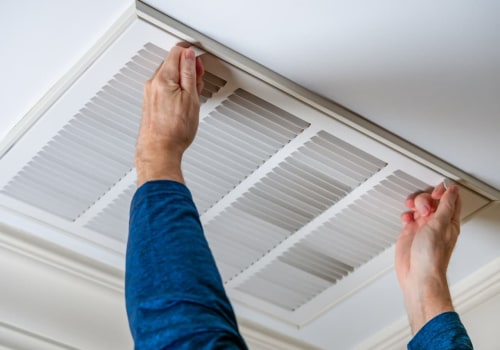
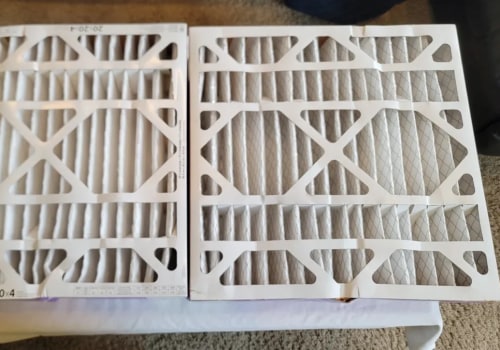
- Filtration: Air handlers are equipped with filters that trap dust, allergens, and other particles, improving indoor air quality. Regularly changing these filters is essential for optimal performance.
- Humidity Control: In addition to temperature regulation, air handlers help manage humidity levels.
This is particularly important in regions with high humidity, as excess moisture can lead to mold growth and discomfort.
- Integration with Other HVAC Components: The air handler works closely with other components like the furnace or heat pump. It ensures that the system operates efficiently by maintaining proper airflow and pressure.
Importance of the Air Handler
The significance of the air handler cannot be overstated. A well-functioning air handler enhances the overall efficiency of your HVAC system, leading to lower energy bills and improved comfort levels. If you are considering AC replacements, it’s vital to assess the condition of your existing air handler.
An outdated or malfunctioning air handler can hinder the performance of a new outdoor unit, resulting in wasted energy and increased wear on both systems.Moreover, when replacing an AC unit, many HVAC professionals recommend replacing the air handler simultaneously. This ensures compatibility between components and maximizes efficiency. A mismatched system can lead to issues such as uneven cooling, increased operational costs, and a shorter lifespan for both units.In summary, understanding the role of the air handler in your HVAC system is essential for maintaining comfort and efficiency in your home. Whether you are planning an AC replacement or simply looking to improve your current setup, paying attention to this critical component will yield long-term benefits.
Signs That Indicate You May Need to Replace Your Air Handler
As a crucial component of your HVAC system, the air handler plays a significant role in regulating indoor air quality and temperature.Over time, wear and tear can lead to various issues that may necessitate a replacement. Here are some common signs that indicate it might be time to consider replacing your air handler:
- Increased Energy Bills: If you notice a sudden spike in your energy costs without any changes in usage, it could be a sign that your air handler is struggling to operate efficiently. An aging or malfunctioning unit often consumes more energy to maintain the desired temperature.
- Frequent Repairs: If you find yourself calling for repairs more often than usual, it may be more cost-effective to replace the air handler rather than continue investing in repairs. Frequent breakdowns can indicate that the unit is nearing the end of its lifespan.
- Inconsistent Temperatures: Are certain rooms in your home warmer or cooler than others? Inconsistent heating or cooling can suggest that the air handler is not distributing air effectively, which may warrant a replacement.
- Unusual Noises: Strange sounds such as grinding, squealing, or rattling can indicate mechanical issues within the air handler.
If these noises persist despite maintenance efforts, it may be time to consider a replacement.
- Age of the Unit: Most air handlers have a lifespan of about 15 to 20 years. If your unit is approaching or has surpassed this age, it’s wise to evaluate its performance and consider replacement options.
- Excessive Dust and Allergens: If you notice an increase in dust accumulation or allergens in your home, it could be due to an inefficient air handler failing to filter and circulate air properly. This not only affects comfort but can also impact health.
Benefits of Replacing Both the AC Unit and Air Handler Together
When considering AC replacements, one of the most significant decisions homeowners face is whether to replace both the outdoor AC unit and the indoor air handler simultaneously.Opting for a dual replacement can yield numerous benefits that enhance overall system performance and comfort.
Improved Efficiency
One of the primary advantages of replacing both units at the same time is the substantial improvement in energy efficiency. Modern air conditioning systems are designed with advanced technology that allows them to operate more effectively than older models. When you pair a new outdoor unit with an outdated air handler, you may not achieve optimal efficiency. Mismatched systems can lead to increased energy consumption, as the components may not work harmoniously.
By replacing both units together, you ensure that they are compatible, maximizing their efficiency and reducing energy waste.
Cost Savings on Energy Bills
With improved efficiency comes significant cost savings on your energy bills. Newer AC units often have higher Seasonal Energy Efficiency Ratio (SEER) ratings, which means they use less electricity to provide the same level of cooling as older models. Homeowners who invest in simultaneous replacements frequently notice a marked decrease in their monthly utility costs. Over time, these savings can offset the initial investment in new equipment, making it a financially sound decision.
Enhanced Comfort
Replacing both the AC unit and air handler can also lead to enhanced comfort within your home.
A new air handler is designed to distribute air more evenly throughout your living spaces, reducing hot or cold spots and maintaining a consistent temperature. This improved airflow not only enhances comfort but also contributes to better indoor air quality by minimizing humidity levels and preventing mold growth.
Longer Lifespan
Another benefit of replacing both components is the potential for a longer lifespan for your HVAC system. When both units are new, they are less likely to experience wear and tear caused by incompatibility issues. This can lead to fewer repairs and a longer overall lifespan for your entire system, providing peace of mind for homeowners.In conclusion, while it may be tempting to replace only the outdoor AC unit during an upgrade, doing so can lead to inefficiencies and increased costs in the long run.
By choosing to replace both the AC unit and air handler together, homeowners can enjoy improved efficiency, significant cost savings on energy bills, enhanced comfort, and a longer-lasting HVAC system.
Potential Risks of Not Replacing the Air Handler with Your AC Unit
When considering AC replacements, one of the most critical decisions homeowners face is whether to replace the air handler alongside the outdoor unit. Failing to do so can lead to a myriad of potential risks that can compromise the overall efficiency and functionality of your HVAC system.1.Mismatched System Components
One of the primary risks of not replacing the air handler is the potential for mismatched system components. Air conditioning systems are designed to work as a cohesive unit, with each part tailored to complement the others. When you replace only the outdoor unit, you may end up with an air handler that is not optimized for the new condenser.
This mismatch can lead to:
- Reduced Efficiency: An older air handler may not be able to keep up with the demands of a new, more efficient outdoor unit, leading to increased energy consumption and higher utility bills.
- Inconsistent Temperature Control: A mismatched system can result in uneven cooling throughout your home, leaving some rooms too hot or too cold.
- Increased Wear and Tear: Operating an incompatible air handler with a new AC unit can cause undue stress on both components, leading to premature failures and costly repairs.
2.Higher Repair Costs
Keeping an old air handler while installing a new AC unit can also lead to higher repair costs over time. As the air handler struggles to function efficiently with the new outdoor unit, it may require more frequent repairs. Additionally, if the air handler fails completely, you may find yourself needing to replace both units simultaneously, which can be significantly more expensive than replacing them together.
3.Warranty Issues
Many manufacturers stipulate that for warranties to remain valid, both the indoor and outdoor units must be replaced together. If you choose to keep your old air handler and it fails shortly after installing a new AC unit, you may find that your warranty is voided, leaving you responsible for all repair costs.
4.Decreased Indoor Air Quality
An aging air handler may not effectively filter or circulate air as well as a newer model.
This inefficiency can lead to decreased indoor air quality, which can exacerbate allergies and respiratory issues for occupants in your home.In summary, while it may seem cost-effective to replace only your outdoor AC unit, the potential risks associated with keeping an old air handler far outweigh any short-term savings. Investing in both components ensures optimal performance, efficiency, and comfort in your home.
Compatibility Between New AC Units and Existing Air Handlers
When considering AC replacements, one of the most critical factors is the compatibility between the new outdoor AC unit and the existing air handler. This compatibility is essential for ensuring optimal performance, efficiency, and longevity of your HVAC system.To determine if your new AC unit will work with your existing air handler, you should consider several key factors:- Manufacturer Specifications: Always check the specifications provided by the manufacturers. Different brands may have unique requirements for their systems.
Using components from the same manufacturer can often simplify compatibility issues.
- SEER Ratings: The Seasonal Energy Efficiency Ratio (SEER) rating is a crucial aspect to consider. If your new AC unit has a significantly different SEER rating than your existing air handler, it may lead to inefficiencies. Ideally, both units should have similar SEER ratings to ensure balanced performance.
- Cooling Capacity: The cooling capacity of both units should be matched appropriately. An air handler that is too small for a larger AC unit can lead to inadequate cooling and increased wear on the system.
Conversely, an oversized air handler can result in short cycling, which reduces efficiency and comfort.
- Refrigerant Type: Ensure that both units use the same type of refrigerant. For instance, if your new AC unit uses R-410A refrigerant, your air handler must also be compatible with this refrigerant type.
- Coil Compatibility: The evaporator coil in your air handler must be compatible with the new condenser unit. Mismatched coils can lead to poor performance and potential system failures.
This professional evaluation can save you from costly mistakes and ensure that your HVAC system operates efficiently.Ultimately, while it may be tempting to replace only the outdoor unit during an AC replacement, understanding the compatibility between your new AC unit and existing air handler is vital for achieving optimal performance and energy efficiency in your home.
Cost Considerations for Replacing Your AC Unit and Air Handler
When considering AC replacements, understanding the costs associated with both the air conditioning unit and the air handler is crucial for effective budgeting. The decision to replace one or both components can significantly impact your overall expenses.Typically, the cost of replacing an AC unit ranges from $3,000 to $7,000, depending on factors such as the brand, efficiency rating, and installation complexity. On the other hand, replacing an air handler can add an additional $1,500 to $3,500 to your total costs. These figures can vary based on your location, the specific models chosen, and any necessary modifications to your existing ductwork.Here are some key considerations when budgeting for HVAC upgrades:- Efficiency Ratings: Higher SEER (Seasonal Energy Efficiency Ratio) ratings often come with a higher price tag but can lead to significant savings on energy bills over time.
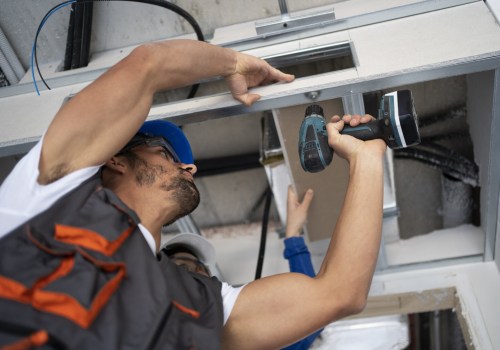
- Installation Costs: Professional installation is essential for both units.
Ensure you factor in labor costs, which can vary widely based on your region and the complexity of the installation.
- Potential Rebates: Many utility companies offer rebates for upgrading to energy-efficient systems. Research available incentives in your area to help offset costs.
- Long-Term Savings: While it may be tempting to replace only the outdoor unit to save money upfront, consider the long-term implications. Mismatched systems can lead to inefficiencies and higher operational costs.
Frequently Asked Questions About AC Replacements and Air Handlers
When considering AC replacements, many homeowners have questions about the relationship between air handlers and outdoor units.Here are some frequently asked questions that can help clarify this important topic.
Do I need to replace my air handler when I replace my AC unit?
While it is not mandatory to replace your air handler when you replace your outdoor AC unit, doing so is often recommended. The efficiency and performance of your HVAC system can be significantly impacted if the indoor and outdoor units are mismatched. An older air handler may not be able to effectively work with a new, more efficient outdoor unit, leading to issues such as:- Reduced Efficiency: Newer AC units are designed to operate at higher efficiencies. If paired with an outdated air handler, you may not achieve the expected energy savings.
- Increased Wear and Tear: Mismatched systems can lead to increased strain on both units, resulting in more frequent repairs and a shorter lifespan.
- Higher Energy Bills: An inefficient system will consume more energy, leading to higher utility costs.
What factors should I consider when replacing my air handler?
When deciding whether to replace your air handler, consider the following:- Age of the Air Handler: If your air handler is over 10-15 years old, it may be time for a replacement.
- Condition: Inspect for any signs of wear, rust, or damage that could affect performance.
- Compatibility: Ensure that the new outdoor unit is compatible with your existing air handler or consider replacing both for optimal performance.
Can I mix brands when replacing my AC unit and air handler?
While it is technically possible to mix brands, it is generally not advisable.Different manufacturers may have varying specifications and performance characteristics that can lead to inefficiencies. For best results, choose units from the same manufacturer that are designed to work together.In summary, while you can replace just your outdoor AC unit, considering a simultaneous replacement of the air handler can lead to improved efficiency, reduced costs, and enhanced comfort in your home.
Conclusion: Making Informed Decisions About Your HVAC System
In conclusion, the decision to replace your air handler when replacing your AC unit is not one to be taken lightly. It involves a careful consideration of various factors that can significantly impact the efficiency, performance, and longevity of your HVAC system. As we have discussed, replacing both the outdoor and indoor units simultaneously can lead to enhanced compatibility and improved energy efficiency.When contemplating AC replacements, it is essential to evaluate the age and condition of your existing air handler.If your air handler is nearing the end of its lifespan or showing signs of wear and tear, it may be prudent to replace it alongside your new outdoor unit. This approach not only ensures that both components work harmoniously but also helps avoid potential issues that could arise from mismatched systems.Moreover, advancements in technology mean that newer air conditioning units often come with improved SEER ratings and energy-saving features. By upgrading both units, you can take full advantage of these innovations, leading to lower energy bills and a more comfortable living environment.Additionally, consider the warranty implications. Many manufacturers require that both the indoor and outdoor units be replaced together to maintain warranty coverage.
Failing to do so could leave you vulnerable to costly repairs down the line.Ultimately, making an informed decision about whether to replace your air handler during an AC replacement hinges on a thorough assessment of your current system's performance, age, and compatibility with new technology. Consulting with a qualified HVAC professional can provide valuable insights tailored to your specific situation, ensuring that you make the best choice for your home’s comfort and efficiency.