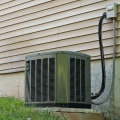
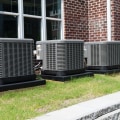
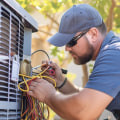
Understanding your HVAC system is essential for any homeowner looking to maximize the lifespan of their heating and cooling equipment. An HVAC system, which stands for Heating, Ventilation, and Air Conditioning, is a complex network designed to regulate indoor climate and ensure comfort throughout the year. This system comprises several key components, including the furnace or heat pump, air conditioner, ductwork, and thermostat. Each part plays a vital role in maintaining optimal temperatures and air quality within your home.At its core, the HVAC system operates by transferring heat energy from one place to another.
In winter, the furnace or heat pump generates warmth and distributes it through the ductwork, while in summer, the air conditioner cools the air before circulating it back into your living spaces. The ventilation aspect ensures that fresh air is brought in while stale air is expelled, promoting a healthy indoor environment. Understanding these functions not only helps you appreciate your system's capabilities but also highlights the importance of regular maintenance.Regular maintenance is crucial for extending the lifespan of your HVAC system. Just like any other mechanical system, wear and tear can lead to inefficiencies and breakdowns if not addressed promptly.
Simple tasks such as changing air filters, cleaning coils, and scheduling professional inspections can significantly impact your system's performance and longevity. By investing time and effort into maintaining your HVAC system, you can avoid costly repairs and replacements down the line.In summary, a well-functioning HVAC system is integral to your home's comfort and energy efficiency. By understanding how it works and recognizing the importance of maintenance, you can take proactive steps to ensure that your heating and cooling systems operate smoothly for years to come. This foundational knowledge will empower you to make informed decisions regarding repairs or replacements when necessary.Simple tasks such as changing air filters, cleaning coils, and scheduling professional inspections can significantly impact your system's performance and longevity. By investing time and effort into maintaining your HVAC system, you can avoid costly repairs and replacements down the line.In summary, a well-functioning HVAC system is integral to your home's comfort and energy efficiency. By understanding how it works and recognizing the importance of maintenance, you can take proactive steps to ensure that your heating and cooling systems operate smoothly for years to come. This foundational knowledge will empower you to make informed decisions regarding repairs or replacements when necessary.
Signs That Your HVAC System Needs Replacement
Recognizing the signs that your HVAC system may need replacement is crucial for maintaining a comfortable home and avoiding unexpected expenses.Here are some key indicators that it might be time to consider AC replacements.
- Age of the System: One of the most significant factors to consider is the age of your HVAC unit. If your system is over 15 years old, it may be nearing the end of its lifespan. While some units can last longer with proper maintenance, older systems are generally less efficient and more prone to breakdowns.
- Frequent Repairs: If you find yourself calling for repairs multiple times a year, it may be a sign that your HVAC system is failing. As components wear out, repairs can become more frequent and costly.
If repair costs exceed 50% of the price of a new unit, replacement is often the more economical choice.
- Inconsistent Temperatures: Are certain rooms in your home warmer or cooler than others? Inconsistent heating or cooling can indicate that your HVAC system is struggling to maintain a comfortable environment. This could be due to duct issues or failing components within the unit.
- Increased Energy Bills: A sudden spike in your energy bills can signal that your HVAC system is working harder than it should. Older units tend to lose efficiency over time, leading to higher energy consumption. If you notice a significant increase in costs without any changes in usage, it may be time to evaluate your system.
- Noisy Operation: Unusual noises such as grinding, squealing, or banging can indicate serious issues within your HVAC system.
While some sounds may be normal, persistent or loud noises often suggest that components are failing and could lead to complete system failure if not addressed.
- Humidity Issues: An effective air conditioning system should help regulate humidity levels in your home. If you notice excessive humidity or dampness, it could mean that your AC unit is not functioning properly and may need replacement.
- Foul Odors: Strange smells coming from your HVAC system can indicate mold growth or electrical issues. If you detect musty odors or burning smells, it's essential to have a professional inspect the unit immediately.
Regular Maintenance Practices to Extend Lifespan
To ensure your HVAC system operates efficiently and lasts as long as possible, implementing a routine maintenance schedule is crucial.Regular maintenance not only enhances the performance of your system but also helps in identifying potential issues before they escalate into costly repairs or premature replacements. Here are some essential maintenance practices that every homeowner should consider:
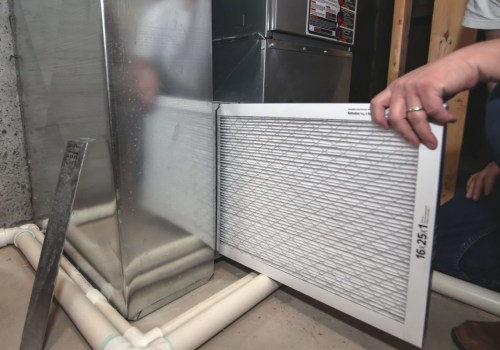
- Change Air Filters Regularly: One of the simplest yet most effective ways to maintain your HVAC system is by changing the air filters. Clogged filters restrict airflow, making your system work harder and reducing its efficiency. Aim to check and replace your filters every 1-3 months, depending on usage and the type of filter.
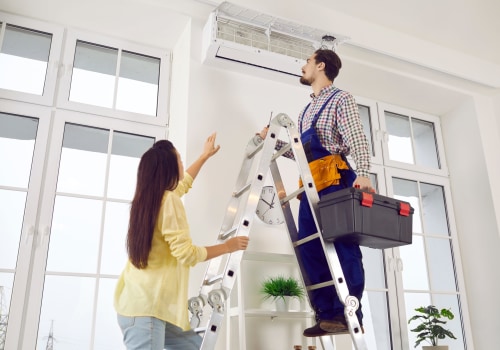
- Schedule Professional Inspections: At least once a year, have a qualified HVAC technician perform a comprehensive inspection of your system.
This includes checking refrigerant levels, inspecting electrical components, and cleaning essential parts. Regular professional maintenance can catch issues early and ensure optimal performance.
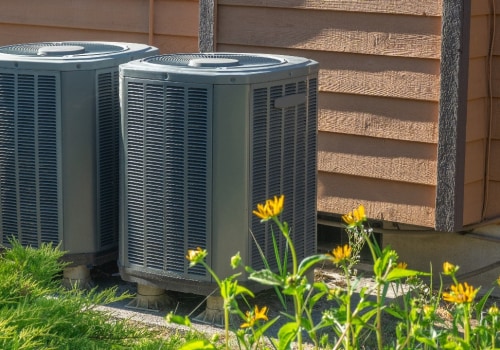
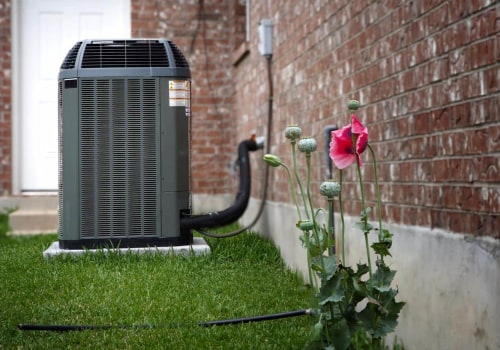
- Keep the Outdoor Unit Clean: The outdoor condenser unit can accumulate dirt, leaves, and debris over time. Regularly clean the area around the unit and gently wash the fins with a garden hose to remove any buildup. Ensure there’s at least two feet of clearance around the unit for proper airflow.
- Inspect Ductwork: Leaky ducts can significantly reduce your HVAC system's efficiency.
Inspect your ductwork for any signs of wear or damage, and seal any leaks with duct tape or mastic sealant. Consider having a professional perform a duct cleaning every few years to remove dust and allergens.
- Check Thermostat Settings: Ensure that your thermostat is functioning correctly and is set to an appropriate temperature. Consider upgrading to a programmable thermostat that can adjust temperatures based on your schedule, which can lead to energy savings.
- Monitor System Performance: Pay attention to how your HVAC system operates. If you notice unusual noises, inconsistent temperatures, or increased energy bills, these could be signs that maintenance is needed.
Addressing these issues promptly can prevent more significant problems down the line.
Choosing the Right HVAC System for Your Home
When it comes to selecting a new HVAC system for your home, making an informed decision is crucial. The right choice can significantly impact your comfort, energy bills, and the overall efficiency of your heating and cooling system. Here are some key factors to consider:- Energy Efficiency Ratings: Look for systems with high Seasonal Energy Efficiency Ratio (SEER) ratings for air conditioners and Annual Fuel Utilization Efficiency (AFUE) ratings for furnaces.
A higher rating indicates better energy efficiency, which can lead to substantial savings on your utility bills over time.
- System Type: There are various types of HVAC systems available, including central air conditioning, ductless mini-split systems, heat pumps, and traditional furnaces. Each type has its own advantages and is suited for different home layouts and climates. For instance, ductless systems are ideal for homes without existing ductwork.
- Size Matters: Proper sizing of your HVAC system is essential. An oversized unit can lead to short cycling, which reduces efficiency and comfort, while an undersized unit may struggle to maintain desired temperatures.
Consult with a professional to perform a load calculation that considers your home’s square footage, insulation levels, and local climate.
- Brand Reputation: Research reputable brands known for their reliability and customer service. Investing in a well-reviewed system can provide peace of mind and reduce the likelihood of future repairs.
- Installation Quality: The installation process is just as important as the system you choose. A poorly installed HVAC system can lead to inefficiencies and increased wear and tear. Always hire qualified professionals who are experienced in installing the specific type of system you select.
This thoughtful approach will help you avoid premature AC replacements and maximize your investment in home comfort.
The Role of Professional Inspections and Services
When it comes to maintaining the longevity and efficiency of your HVAC system, the role of professional inspections and services cannot be overstated. Regular assessments by qualified HVAC technicians are essential for identifying potential issues before they escalate into costly repairs or complete system failures.One of the primary benefits of hiring a professional is their ability to conduct thorough inspections. During these visits, technicians will examine various components of your HVAC system, including:- Air filters: Clogged or dirty filters can significantly reduce efficiency and air quality.
- Refrigerant levels: Low refrigerant can indicate leaks, which can lead to system damage if not addressed promptly.
- Electrical connections: Loose or corroded connections can pose safety hazards and affect performance.
- Thermostat functionality: Ensuring that your thermostat is calibrated correctly is crucial for maintaining desired temperatures.
- Ductwork integrity: Leaks or blockages in ductwork can lead to energy loss and uneven heating or cooling.
Technicians can perform necessary adjustments and cleanings that homeowners might overlook. This not only enhances performance but also contributes to lower energy bills, as a well-maintained system uses less energy to achieve the same level of comfort.When hiring an HVAC technician, it’s important to choose someone with the right qualifications and experience. Look for professionals who are licensed and insured, as this protects you from liability in case of accidents during service. Additionally, consider their reputation; online reviews and testimonials can provide insight into their reliability and quality of work.In conclusion, investing in professional HVAC services is a proactive approach to maintaining your system's health.
Regular inspections not only extend the lifespan of your unit but also enhance its efficiency and reliability. By prioritizing professional care, you ensure that your home remains comfortable year-round while avoiding unexpected breakdowns and costly repairs.
Energy Efficiency and Its Impact on Lifespan
When it comes to maximizing the lifespan of your HVAC system, understanding energy efficiency is crucial. Energy-efficient systems not only reduce your monthly utility bills but also contribute significantly to the longevity of your heating and cooling units. By investing in an energy-efficient HVAC system, homeowners can enjoy a multitude of benefits that extend beyond mere cost savings.Benefits of Energy-Efficient Systems
- Lower Operating Costs: Energy-efficient systems consume less energy to operate, which translates to lower utility bills.
This reduction in energy consumption can lead to substantial savings over time.
- Reduced Wear and Tear: Because energy-efficient systems are designed to operate more effectively, they experience less strain during operation. This reduced strain can lead to fewer breakdowns and repairs, ultimately extending the lifespan of the unit.
- Improved Comfort: Energy-efficient HVAC systems maintain consistent temperatures and humidity levels, enhancing overall comfort in your home. This consistent performance means that the system does not have to work as hard, further contributing to its longevity.
- Environmental Impact: By using less energy, these systems help reduce your carbon footprint. This is not only beneficial for the environment but also aligns with a growing trend towards sustainability.
The Impact on Lifespan
The lifespan of an HVAC system is often directly correlated with its efficiency.
Systems that are designed with energy efficiency in mind typically incorporate advanced technologies that allow them to operate optimally without excessive energy consumption. For instance, variable-speed motors and smart thermostats can adjust the system's operation based on real-time conditions, reducing unnecessary wear.Moreover, regular maintenance of energy-efficient systems is often easier and less frequent due to their robust design. Homeowners who prioritize energy efficiency are likely to engage in routine check-ups and filter changes, which are essential for keeping any HVAC system running smoothly.In conclusion, choosing an energy-efficient HVAC system is a wise investment for homeowners looking to maximize the lifespan of their heating and cooling units. Not only do these systems offer financial benefits through lower operating costs, but they also promote a more sustainable lifestyle while ensuring comfort and reliability in your home.
Common Myths About HVAC Lifespan and Maintenance
When it comes to HVAC systems, there are numerous myths and misconceptions that can lead homeowners to make poor decisions regarding maintenance and replacements.Understanding the truth behind these myths is essential for maximizing the lifespan of your system and ensuring optimal performance.
- Myth 1: HVAC systems don’t need regular maintenance.
Many homeowners believe that once their HVAC system is installed, it will run efficiently without any intervention. In reality, regular maintenance is crucial. Just like a car requires oil changes and tune-ups, your HVAC system needs periodic check-ups to ensure it operates efficiently. Neglecting maintenance can lead to decreased efficiency, higher energy bills, and premature breakdowns. - Myth 2: Bigger is always better.
Some homeowners think that installing a larger HVAC unit will provide better cooling or heating.However, an oversized system can lead to short cycling, where the unit turns on and off frequently, causing wear and tear. It’s essential to choose a system that is appropriately sized for your home to ensure efficient operation.
- Myth 3: You only need to change filters once a year.
While some may believe that changing air filters annually is sufficient, this is far from the truth. Depending on usage and environmental factors, filters should be checked monthly and replaced every 1-3 months. Clogged filters can restrict airflow, making your system work harder and reducing its lifespan. - Myth 4: If my system is running, it doesn’t need repairs.
Just because your HVAC system appears to be functioning doesn’t mean it’s operating at peak efficiency.Hidden issues can lead to significant problems down the line. Regular inspections by a qualified technician can identify potential issues before they escalate into costly repairs or replacements.
- Myth 5: All HVAC systems last the same amount of time.
While the average lifespan of an HVAC system ranges from 15 to 20 years, various factors influence longevity, including brand quality, installation practices, and maintenance habits. Investing in a high-quality unit and adhering to a strict maintenance schedule can significantly extend its lifespan.
Conclusion: Key Takeaways for Maximizing Your HVAC System's Lifespan
In summary, maximizing the lifespan of your HVAC system is a multifaceted endeavor that requires attention to detail and a proactive approach.By understanding the critical factors that influence the longevity of your heating and cooling units, you can make informed decisions that will save you money and enhance your comfort.
Regular Maintenance is Essential
- Scheduling routine maintenance check-ups with a qualified HVAC technician is crucial. These professionals can identify potential issues before they escalate into costly repairs.
- Changing air filters regularly not only improves air quality but also ensures that your system operates efficiently, reducing strain on the components.
- Keeping the outdoor unit clean and free from debris allows for optimal airflow, which is vital for efficient operation.
Invest in Quality Equipment
- When it comes time for AC replacements, consider investing in high-efficiency models. These units may have a higher upfront cost but can lead to significant savings on energy bills over time.
- Look for systems with advanced technology, such as variable-speed compressors, which can adjust their output based on demand, further enhancing efficiency.
Know When to Replace
- Understanding when to replace your HVAC system is just as important as maintenance. If your unit is over 15 years old and requires frequent repairs, it may be more economical to invest in a new system.
- Evaluate the cost of repairs against the cost of a new unit.
If repairs exceed 50% of the replacement cost, it’s time to consider an upgrade.