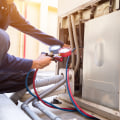
When it comes to maintaining a comfortable home environment, few systems are as crucial as your air conditioning unit. However, the reality is that When it comes to maintaining a comfortable home environment, few systems are as crucial as your air conditioning unit. However, the reality is that AC repairs can often come with a hefty price tag, leaving homeowners grappling with the decision of whether to invest in repairs or consider AC replacements. Understanding the intricacies of repair costs is essential for making informed choices about your HVAC system. Many homeowners may not realize that the age and condition of their air conditioning unit play a significant role in determining repair costs. For instance, while minor issues like a clogged filter or a faulty thermostat can be resolved quickly and affordably, more complex problems—such as a failing compressor or a damaged evaporator coil—can lead to expenses that rival the cost of a new unit.
This is particularly true for systems that are over ten years old, where the likelihood of multiple repairs increases significantly. Moreover, regular HVAC maintenance can help mitigate some of these costs by identifying potential issues before they escalate. However, even with diligent upkeep, there comes a point when the cumulative cost of repairs outweighs the benefits of keeping an aging system operational. In such cases, investing in a new air conditioning unit may not only provide better energy efficiency but also offer peace of mind knowing that you have a reliable system in place. In this article, we will delve deeper into the factors influencing the high cost of AC repairs and explore when it might be more advantageous to opt for replacements instead. By understanding these dynamics, you can make better decisions regarding your home’s cooling system and ensure that you are not caught off guard by unexpected expenses.
The Common Causes of AC Failures
Understanding the common causes of air conditioning (AC) failures is essential for homeowners who want to avoid costly repairs and ensure their units operate efficiently.Several factors can contribute to AC breakdowns, and being aware of these can help you take proactive measures.
- Mechanical Issues: One of the primary reasons for AC failure is mechanical problems. Components such as the compressor, fan motor, and condenser can wear out over time. For instance, a malfunctioning compressor can lead to inadequate cooling or complete system failure. Regular inspections can help identify these issues before they escalate.
- Lack of Maintenance: Neglecting routine maintenance is another significant cause of AC problems.
Dust and debris can accumulate in filters, coils, and ducts, leading to reduced airflow and efficiency. Homeowners should schedule annual maintenance checks to clean these components and ensure everything is functioning correctly.
- Age of the Unit: The age of your air conditioning unit plays a crucial role in its reliability. Most AC systems have a lifespan of 10 to 15 years. As they age, the likelihood of mechanical failures increases.
If your unit is approaching this age range and frequently requires repairs, it may be time to consider a replacement.
- Refrigerant Leaks: Refrigerant is essential for cooling your home, and leaks can significantly impact performance. Low refrigerant levels can cause the system to work harder, leading to increased energy bills and potential damage. If you notice ice forming on the evaporator coil or hear hissing sounds, it may indicate a refrigerant leak that needs immediate attention.
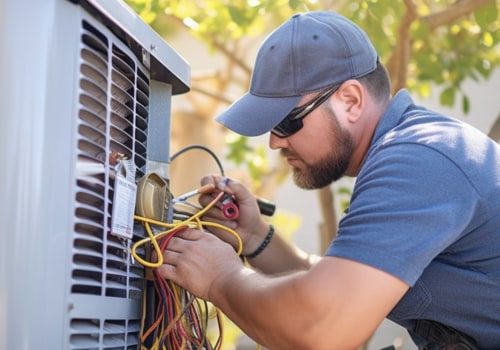
- Electrical Issues: Electrical problems can also lead to AC failures. Faulty wiring, blown fuses, or tripped circuit breakers can disrupt power supply to the unit.
These issues not only affect performance but can also pose safety hazards if not addressed promptly.
Understanding Repair Costs: What to Expect
When it comes to understanding the costs associated with air conditioning repairs, homeowners often find themselves in a state of confusion. The expenses can vary significantly based on the type of repair needed, the age of the unit, and even the region in which you live. Here’s a breakdown of what you can expect when it comes to AC repair costs.Typical Repair Costs
- Minor Repairs: Simple issues such as replacing a fuse or cleaning the drain line typically range from $75 to $150.
These repairs are usually quick and can often be completed within an hour.
- Moderate Repairs: More involved repairs, like fixing a refrigerant leak or replacing a capacitor, can cost between $150 and $400. These jobs may take a few hours and require specialized tools.
- Major Repairs: If your AC unit needs significant work, such as replacing the compressor or evaporator coil, you could be looking at costs ranging from $500 to $2,500. These repairs are complex and can take several hours to complete.
Average Cost of AC Repairs
The average cost for AC repairs generally falls between $150 and $1,000, depending on the severity of the issue. According to industry reports, homeowners can expect to pay around $300 for common repairs.
However, it’s essential to consider that older units may require more frequent repairs, which can add up over time.
Factors Influencing Repair Pricing
- Age of the Unit: Older air conditioning systems often require more maintenance and repairs, leading to higher overall costs.
- Type of Repair: The complexity of the repair directly impacts pricing. More intricate issues will naturally cost more due to labor and parts.
- Location: Labor rates can vary significantly based on geographic location. Urban areas may have higher costs compared to rural regions.
When Is It Time to Replace Your AC Unit?
Deciding whether to repair or replace your air conditioning unit can be a daunting task, especially when faced with unexpected breakdowns.However, there are several key indicators that can help you determine if it’s time to invest in a new system rather than continue pouring money into repairs.
Age of the Unit
One of the most significant factors to consider is the age of your air conditioning unit. Most AC systems have a lifespan of about 10 to 15 years. If your unit is approaching or has surpassed this age range, it may be more cost-effective to replace it. Older units tend to become less efficient and require more frequent repairs, which can add up quickly.
Frequent Repairs
If you find yourself calling for repairs multiple times a year, it’s a clear sign that your AC unit is struggling.
Frequent breakdowns not only disrupt your comfort but also indicate that the system is nearing the end of its operational life. A good rule of thumb is the "$5,000 rule"—if the total cost of repairs in a year exceeds 50% of the cost of a new unit, replacement may be the better option.
Energy Efficiency
Another critical factor is energy efficiency. Older air conditioning units often operate at lower SEER (Seasonal Energy Efficiency Ratio) ratings compared to modern systems. If your unit has a SEER rating below 13, it may be time to consider an upgrade.
Newer models are designed to use less energy while providing better cooling performance, which can lead to significant savings on your utility bills.
Inconsistent Cooling
Inconsistent cooling throughout your home can also signal that your AC unit is failing. If certain rooms are warmer than others or if you notice fluctuating temperatures, it may indicate that your system is unable to effectively distribute cool air. This inconsistency can stem from various issues, including ductwork problems or an aging compressor.
Benefits of AC Replacement
- Improved Efficiency: Newer models are designed with advanced technology that enhances energy efficiency, reducing your monthly energy costs.
- Enhanced Comfort: A new AC unit will provide more consistent and reliable cooling throughout your home.
- Lower Repair Costs: Investing in a new system means fewer repairs and maintenance issues in the near future.
- Increased Home Value: A modern HVAC system can boost your home’s resale value and appeal to potential buyers.
The Cost-Benefit Analysis: Repair vs.
ReplacementWhen faced with a malfunctioning air conditioning unit, homeowners often grapple with a critical decision: should they invest in repairs or opt for a complete replacement? This cost-benefit analysis is essential for making an informed choice that aligns with both financial and comfort considerations.To begin, it’s important to assess the repair costs. Minor repairs, such as replacing a capacitor or cleaning the coils, can be relatively inexpensive and may extend the life of your AC unit by several years. However, as units age, the likelihood of needing more significant repairs increases. For instance, replacing a compressor can cost anywhere from $1,500 to $2,500, depending on the model and labor costs.
If your unit is over ten years old and requires such extensive repairs, it may be time to consider replacement.On the other hand, the cost of replacement can be daunting. A new air conditioning system typically ranges from $3,000 to $7,000, depending on the size and efficiency of the unit. However, this upfront cost should be weighed against potential long-term savings. Newer models are often more energy-efficient, which can lead to lower utility bills.
Additionally, many manufacturers offer warranties that cover parts and labor for several years, providing peace of mind.Another factor to consider is the age of your current system. If your AC unit is nearing the end of its expected lifespan (usually around 15-20 years), investing in repairs may not be wise. Frequent breakdowns can lead to increased repair costs and discomfort during peak summer months.Ultimately, the decision between repair and replacement should also factor in your financial situation. If you have the budget for a new system and plan to stay in your home for several more years, investing in a replacement may provide better value in terms of efficiency and reliability.
Conversely, if you are looking for a short-term solution or are planning to move soon, repairing your existing unit might be the more prudent choice.In conclusion, conducting a thorough cost-benefit analysis involves evaluating both immediate expenses and long-term savings. By considering factors such as repair frequency, system age, energy efficiency, and personal financial circumstances, homeowners can make a well-informed decision that best suits their needs.
The Role of Regular Maintenance in Reducing Repair Costs
Regular maintenance of your air conditioning system is not just a good practice; it is essential for ensuring the longevity and efficiency of your unit. By investing time and resources into routine checks, you can significantly reduce the likelihood of encountering costly repairs down the line.Importance of HVAC Maintenance
HVAC maintenance plays a critical role in keeping your air conditioning system running smoothly. Just like any other mechanical system, your AC unit requires periodic attention to function optimally.
Regular maintenance helps identify potential issues before they escalate into major problems, which can lead to expensive repairs or even complete system failure.Moreover, a well-maintained AC unit operates more efficiently, which can lead to lower energy bills. When components are clean and functioning correctly, your system doesn’t have to work as hard to cool your home, resulting in energy savings that can offset the cost of maintenance.
How Maintenance Reduces Costs
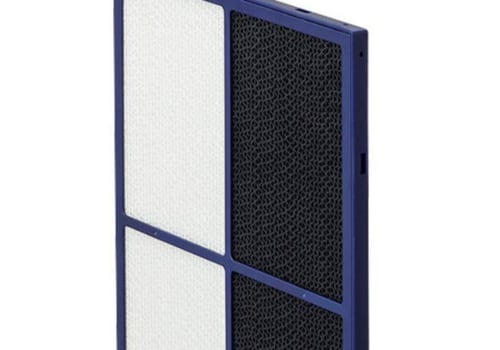
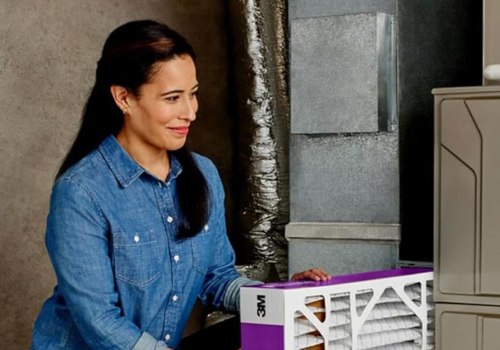
One of the most significant benefits of regular AC service is its ability to reduce overall repair costs. During routine maintenance, technicians can spot wear and tear on parts such as filters, belts, and coils. By replacing these components before they fail, you can avoid more extensive damage that would require costly repairs.For instance, neglecting to clean or replace air filters can lead to reduced airflow and increased strain on the compressor.
This not only shortens the lifespan of the compressor but may also necessitate its replacement—a much more expensive endeavor than simple filter maintenance.
Regular AC Service Benefits
- Improved Efficiency: Regular checks ensure that all components are functioning optimally, leading to better energy efficiency.
- Extended Lifespan: Routine maintenance can add years to the life of your AC unit by preventing premature wear and tear.
- Enhanced Air Quality: Regularly changing filters and cleaning ducts helps maintain better indoor air quality by reducing allergens and pollutants.
- Peace of Mind: Knowing that your system is regularly serviced provides reassurance that it will perform when you need it most.
Choosing the Right Replacement Unit: Factors to Consider
When it comes to selecting a new air conditioning unit, making an informed decision is crucial. The right choice can significantly impact your comfort, energy bills, and overall satisfaction with your home environment.Here are some essential factors to consider:
- Energy Efficiency Ratings: Look for units with high Seasonal Energy Efficiency Ratio (SEER) ratings. A higher SEER rating indicates better energy efficiency, which can lead to lower utility bills. In 2023, aim for units with a SEER rating of at least 16 or higher.
- Size Requirements: The size of your AC unit should match the square footage of the space you intend to cool. An undersized unit will struggle to maintain comfortable temperatures, while an oversized unit may cycle on and off too frequently, leading to inefficiency and increased wear and tear.
Consult with an HVAC professional to determine the appropriate BTU (British Thermal Unit) capacity for your needs.
- Brand Reliability: Research reputable brands known for their durability and customer service. Brands like Trane, Carrier, and Lennox have established themselves as leaders in the industry. Reading customer reviews and checking ratings from organizations like Consumer Reports can provide valuable insights into brand performance.
- Installation Costs: The cost of installation can vary significantly based on the complexity of the job and local labor rates. Ensure you get multiple quotes from licensed contractors to find a fair price.
Remember that a proper installation is vital for the efficiency and longevity of your new unit.
- Warranty Options: A robust warranty can provide peace of mind. Look for units that offer comprehensive warranties covering parts and labor for several years. This can save you money on potential repairs down the line.
- Smart Features: Many modern air conditioning units come equipped with smart technology that allows you to control your system remotely via smartphone apps. Features like programmable thermostats can enhance convenience and further improve energy efficiency.
Investing time in research now can lead to significant savings and comfort in the long run.
FAQs About AC Repairs and Replacements
When it comes to air conditioning systems, homeowners often have numerous questions regarding repairs and replacements. Understanding these aspects can help you make informed decisions and avoid unnecessary expenses. Here are some frequently asked questions about AC repairs and replacements:What are the most common signs that my AC needs repair?
Several indicators can suggest that your air conditioning unit requires attention:- Unusual noises: If you hear grinding, squealing, or banging sounds, it may indicate a mechanical issue.
- Inconsistent cooling: If some rooms are cooler than others or the unit fails to cool your home adequately, it could be a sign of a refrigerant leak or a malfunctioning compressor.
- Increased energy bills: A sudden spike in your energy costs may suggest that your AC is working harder than it should due to inefficiencies.
- Foul odors: Unpleasant smells can indicate mold growth or burnt wiring, both of which require immediate attention.
How do I know if I should repair or replace my AC?
The decision to repair or replace your air conditioning unit depends on several factors:- Age of the unit: If your AC is over 10 years old and requires significant repairs, replacement may be more cost-effective.
- Cost of repairs: If the repair costs exceed 50% of the price of a new unit, consider replacing it.
- Energy efficiency: Newer models are often more energy-efficient, which can lead to long-term savings on utility bills.
What should I do if my AC is not cooling?
If your air conditioning system is not cooling effectively, follow these troubleshooting tips:- Check the thermostat: Ensure it is set to the desired temperature and functioning correctly.
- Inspect the air filter: A dirty filter can restrict airflow; replace it if necessary.
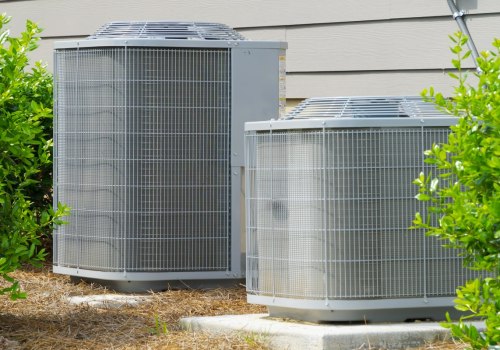
- Examine the outdoor unit: Clear any debris or obstructions around the condenser unit to ensure proper airflow.
- Look for refrigerant leaks: If you suspect a leak, contact a professional technician immediately.
Conclusion: Making Informed Decisions About Your AC System
In conclusion, navigating the complexities of air conditioning repairs and replacements is essential for homeowners seeking to maintain a comfortable living environment. Throughout this article, we have explored the various factors that contribute to the high costs associated with AC repairs, particularly focusing on the implications of AC replacements.Understanding the intricacies of your air conditioning system can empower you to make informed decisions.Regular maintenance is crucial; it not only prolongs the lifespan of your unit but also helps identify potential issues before they escalate into costly repairs. Simple tasks such as changing filters and cleaning coils can significantly enhance efficiency and reduce the likelihood of major breakdowns.When faced with significant repair costs, especially for older units, it is vital to weigh the benefits of AC replacements against those of repairing existing components. As discussed, certain repairs, like replacing a compressor or evaporator coil, can be nearly as expensive as investing in a new system. Therefore, evaluating the age and overall condition of your AC unit is critical.Moreover, consider the long-term savings associated with newer models.
Modern air conditioning systems are designed to be more energy-efficient, which can lead to substantial savings on utility bills over time. Additionally, many new units come with warranties that can provide peace of mind against future repair costs.Ultimately, making an informed decision about whether to repair or replace your air conditioning system involves careful consideration of both immediate costs and long-term benefits. Consulting with a qualified HVAC professional can provide valuable insights tailored to your specific situation, ensuring that you choose the best option for your home and budget.By staying proactive and informed about your AC system's needs, you can avoid unexpected expenses and enjoy a comfortable indoor climate year-round.