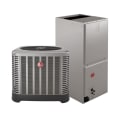
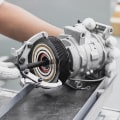
Air conditioning systems are essential for maintaining comfort in our homes, especially during the sweltering summer months. At the heart of these systems lies the air conditioning compressor, a critical component that plays a pivotal role in the cooling process. Understanding what an AC compressor is and how it functions is vital for homeowners considering AC replacements. The compressor is often referred to as the "heart" of the air conditioning system, as it circulates refrigerant through the system, enabling heat exchange and ultimately cooling the indoor air.The primary function of an AC compressor is to compress low-pressure refrigerant gas into a high-pressure gas.
This process raises the temperature of the refrigerant, allowing it to release heat outside when it passes through the condenser coils. As the refrigerant cools down, it transforms back into a liquid state and returns to the evaporator coils inside your home, where it absorbs heat from the indoor air. This continuous cycle of compression and expansion is what keeps your living space comfortable and cool.There are several types of AC compressors available, each designed to meet different cooling needs and efficiency standards. The most common types include:
- Reciprocating Compressors: These use pistons to compress refrigerant and are known for their reliability and efficiency.
- Scroll Compressors: Featuring two spiral-shaped scrolls, these compressors are quieter and more efficient than reciprocating models.
- Screw Compressors: Often used in larger commercial systems, screw compressors are highly efficient and capable of handling significant cooling loads.
- Centrifugal Compressors: These utilize a rotating impeller to compress refrigerant and are typically found in large-scale applications due to their high capacity.
Each type has its advantages and disadvantages, which can impact both performance and energy efficiency. As you delve deeper into the world of air conditioning systems, recognizing the importance of the compressor will empower you to make better choices regarding maintenance, repair, or replacement.
Signs Your AC Compressor Needs Replacement
Recognizing the signs that your AC compressor may need replacement is crucial for maintaining a comfortable home environment. Ignoring these symptoms can lead to more significant issues and costly repairs down the line. Here are some common indicators that your compressor might be failing:- Unusual Noises: If you start hearing strange sounds such as grinding, squealing, or clanking coming from your AC unit, it could be a sign of a failing compressor.
These noises often indicate that internal components are wearing out or that there is a mechanical failure.
- Reduced Cooling Efficiency: One of the most noticeable signs of a bad compressor is a decline in cooling performance. If your air conditioning system struggles to maintain the desired temperature or if certain rooms feel warmer than others, it may be time to evaluate the compressor's condition.
- Increased Energy Bills: A sudden spike in your energy bills without any changes in usage patterns can indicate that your AC compressor is working harder than it should. A failing compressor often consumes more energy as it struggles to cool your home effectively.
- Frequent Cycling: If your air conditioning system frequently turns on and off (short cycling), it may be due to a malfunctioning compressor. This not only affects comfort levels but can also lead to increased wear and tear on the system.
- Refrigerant Leaks: If you notice any signs of refrigerant leaks around your AC unit, this could point to a problem with the compressor.
Low refrigerant levels can severely impact cooling efficiency and may require a replacement.
- Burning Smell: A burning odor coming from your AC unit is a serious warning sign. It could indicate electrical issues within the compressor, which can pose safety hazards and necessitate immediate attention.
Factors to Consider Before Replacing Your AC Compressor
When considering whether to replace your air conditioning compressor, several critical factors come into play.Understanding these elements can significantly influence your decision-making process and ultimately affect the performance and longevity of your cooling system.
Age of the Unit
The age of your air conditioning unit is one of the most significant factors to consider. Generally, if your system is over ten years old, it may be more prudent to replace the entire unit rather than just the compressor. This is because older systems tend to be less efficient and more prone to breakdowns. On the other hand, if your compressor is relatively new—typically less than six years old—it may be worth replacing just the compressor, especially if it is still under warranty.Warranty Status
Another crucial aspect to evaluate is the warranty status of your compressor.If your compressor is still covered by a manufacturer’s warranty, you might have the option to replace it at little or no cost. However, if the warranty has expired, you will need to weigh the cost of a new compressor against the potential benefits of a complete system replacement. A new compressor often comes with a fresh warranty, which can provide peace of mind for several years.
System Compatibility
Compatibility between components is vital when considering an AC replacement. If you decide to replace only the compressor, ensure that it matches well with your existing air handler and other system components.Mismatched parts can lead to inefficiencies and may even void warranties. In some cases, replacing both the compressor and air handler simultaneously can enhance overall system performance and efficiency.
Cost Considerations
Cost is always a significant factor in any home repair decision. While replacing just the compressor may seem like a more economical choice initially, consider all associated costs, including labor and potential future repairs. Sometimes, investing slightly more in a complete system replacement can save you money in the long run by reducing energy bills and maintenance costs.In summary, before making a decision on whether to replace your AC compressor or the entire unit, carefully evaluate these factors: the age of your system, warranty status, compatibility of components, and overall cost implications.Taking these elements into account will help you make an informed choice that best suits your needs and budget.
Compressor Replacement vs. Full System Replacement
When faced with the decision of whether to replace just the compressor or the entire air conditioning system, homeowners often find themselves weighing the pros and cons of each option. Understanding the implications of both choices can lead to a more informed decision that aligns with your budget and long-term comfort needs.Should I Replace Just the Compressor or the Whole Unit?
The primary consideration when deciding between a compressor replacement and a full system replacement is the age and condition of your existing air conditioning unit. If your system is relatively new, typically less than six years old, replacing just the compressor may be a viable option.This approach can save you money upfront while still providing adequate cooling performance.However, if your air conditioning unit is older than nine years, it may be more prudent to consider a full system replacement. Older systems are often less efficient and may require additional repairs in the near future, which can add to your overall costs. A new system not only comes with improved energy efficiency but also offers advanced features that enhance comfort and convenience.
Benefits of Full System Replacement
- Enhanced Efficiency: Newer models are designed to operate more efficiently, which can lead to significant savings on energy bills.
- Improved Reliability: A complete system replacement reduces the risk of unexpected breakdowns, providing peace of mind during peak cooling seasons.
- Warranty Protection: New systems typically come with comprehensive warranties, protecting your investment for years to come.
- Compatibility: Replacing the entire system ensures that all components work harmoniously together, maximizing performance.
Cost Comparison: AC Compressor vs. Full Unit
The cost of replacing just the compressor can be significantly lower than that of a full system replacement.However, it’s essential to consider not only the initial costs but also long-term expenses. While a compressor replacement might seem economical at first glance, it may lead to higher energy bills and potential repair costs down the line if other components are aging or incompatible.In contrast, while a full system replacement requires a larger upfront investment, it often pays off in terms of energy savings and reduced maintenance costs over time. Additionally, many homeowners find that financing options for new systems make this choice more accessible than they initially thought.Ultimately, the decision should be based on a thorough assessment of your current system's condition, age, and your long-term goals for home comfort. Consulting with a qualified HVAC professional can provide valuable insights tailored to your specific situation.
Choosing the Right Replacement Compressor
When it comes to ac replacements, selecting the right replacement compressor is crucial for ensuring optimal performance and longevity of your air conditioning system.The process can seem daunting, but understanding the different types of compressors and knowing what to look for can simplify your decision.
Understanding Types of Replacement Compressors
There are several types of compressors available on the market, each with its own set of advantages and disadvantages. Here are the most common types:- Reciprocating Compressors: These are the most widely used compressors in residential air conditioning systems. They operate using a piston mechanism and are known for their reliability and efficiency.
- Screw Compressors: Often found in larger commercial systems, screw compressors use two rotors to compress refrigerant. They are highly efficient and can handle larger cooling loads.
- Scroll Compressors: These compressors utilize two spiral-shaped scrolls to compress refrigerant.
They are quieter and more efficient than reciprocating compressors, making them a popular choice for residential units.
- Centrifugal Compressors: Typically used in large commercial applications, these compressors use a rotating disk to compress refrigerant. They are known for their high efficiency at large capacities.
Factors to Consider When Choosing a Compressor
When selecting a replacement compressor, consider the following factors:- Compatibility: Ensure that the compressor you choose is compatible with your existing system. Check the specifications of your current unit and consult with a professional if needed.
- Efficiency Ratings: Look for compressors with high SEER (Seasonal Energy Efficiency Ratio) ratings. Higher efficiency ratings can lead to lower energy bills and better performance.
- Warranty: A good warranty can provide peace of mind.
Look for compressors that come with a substantial warranty period, typically ranging from 5 to 10 years.
Recommended Brands for AC Compressors
Choosing a reputable brand can significantly impact the reliability and efficiency of your air conditioning system. Here are some well-regarded brands in the industry:- Trane: Known for their durable and efficient units, Trane compressors often come with excellent warranties.
- Lennox: Lennox offers a range of high-efficiency compressors that are ideal for residential applications.
- Carrier: A pioneer in the HVAC industry, Carrier compressors are recognized for their reliability and innovative technology.
- Bryant: Offering solid performance at competitive prices, Bryant is a trusted name among homeowners.
The Importance of Professional Installation
When it comes to replacing your air conditioning compressor, the importance of professional installation cannot be overstated. While the idea of a DIY replacement may seem appealing, the risks associated with such an approach can lead to more significant problems down the line.Understanding the Risks of DIY AC Replacement
- Technical Expertise: Air conditioning systems are complex and require a deep understanding of HVAC principles.
A lack of knowledge can result in improper installation, leading to inefficiencies or even system failure.
- Safety Hazards: Working with refrigerants and electrical components poses safety risks. Mishandling these elements can lead to injuries or hazardous situations, such as refrigerant leaks or electrical shocks.
- Warranty Issues: Many manufacturers require professional installation for warranties to remain valid. If you attempt a DIY replacement and something goes wrong, you may void your warranty, leaving you responsible for all repair costs.
- Cost Implications: While DIY might save money initially, mistakes can lead to costly repairs. Hiring a professional ensures that the job is done right the first time, potentially saving you money in the long run.
Finding a Qualified HVAC Technician
To ensure a successful compressor replacement, it’s crucial to find a qualified HVAC technician.
Here are some tips to help you in your search:
- Check Credentials: Look for technicians who are licensed and insured. This not only ensures they have met industry standards but also protects you from liability in case of accidents.
- Read Reviews: Online reviews and testimonials can provide insight into a technician's reliability and quality of work. Websites like Yelp or Angie's List can be valuable resources.
- Ask for Referrals: Speak with friends, family, or neighbors who have recently had similar work done. Personal recommendations often lead to finding trustworthy professionals.
- Get Multiple Quotes: Don’t settle for the first estimate you receive.
Getting multiple quotes allows you to compare prices and services offered, ensuring you get the best value for your investment.
Maintenance Tips to Extend Compressor Life
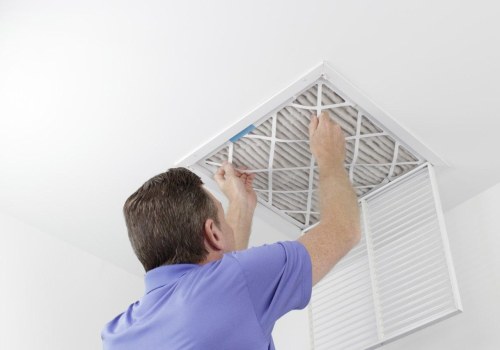
Maintaining your air conditioning compressor is essential for ensuring its longevity and optimal performance. Regular maintenance not only helps prevent costly repairs but also enhances the efficiency of your entire cooling system. Here are some practical tips to help you extend the life of your AC compressor:- Regular Filter Changes: One of the simplest yet most effective maintenance tasks is changing or cleaning your air filters regularly.
Clogged filters restrict airflow, causing the compressor to work harder and potentially leading to overheating. Aim to check your filters monthly and replace them every 1-3 months, depending on usage.
- Keep the Outdoor Unit Clean: The outdoor unit of your AC system can accumulate dirt, leaves, and debris over time. Regularly inspect and clean the area around the unit to ensure proper airflow. Use a garden hose to gently wash the fins and remove any buildup that could hinder performance.
- Check Refrigerant Levels: Low refrigerant levels can cause your compressor to overheat and fail.
Schedule annual maintenance checks with a professional technician who can assess refrigerant levels and recharge if necessary. This will help maintain efficient cooling and prevent compressor strain.
- Inspect Electrical Components: Regularly check electrical connections and components for signs of wear or damage. Loose or corroded connections can lead to electrical failures that may affect the compressor's operation. If you notice any issues, consult a professional for repairs.
- Schedule Professional Maintenance: While there are many maintenance tasks you can perform yourself, it’s crucial to have a qualified technician conduct a thorough inspection at least once a year.
They can identify potential problems early on, clean internal components, and ensure that your system is running efficiently.
- Monitor System Performance: Pay attention to how your AC system operates. Unusual noises, fluctuating temperatures, or increased energy bills can indicate underlying issues with the compressor or other components. Addressing these concerns promptly can prevent more significant problems down the line.
Frequently Asked Questions About AC Compressor Replacement
When it comes to AC compressor replacement, homeowners often have numerous questions and concerns.Understanding these can help you make informed decisions and ensure your air conditioning system operates efficiently. Here are some of the most frequently asked questions regarding AC compressor replacement:
- What are the signs that my AC compressor needs to be replaced?
Common indicators include unusual noises, such as grinding or squealing, a noticeable decrease in cooling efficiency, frequent cycling on and off, and visible leaks around the compressor unit. If you notice any of these symptoms, it’s advisable to consult a professional. - How long does an AC compressor typically last?
On average, an AC compressor can last between 10 to 15 years, depending on usage and maintenance. Regular servicing can extend its lifespan, while neglect can lead to premature failure. - Can I replace just the compressor instead of the entire unit?
Yes, in many cases, you can replace just the compressor.However, if your system is older or if other components are also failing, it may be more cost-effective to replace the entire unit. A professional technician can help you evaluate your options.
- What factors influence the cost of replacing an AC compressor?
Several factors affect the cost, including the type of compressor, brand, labor costs, refrigerant type, and whether additional repairs are needed. It’s essential to get a detailed estimate from your HVAC contractor. - Is it worth replacing an old compressor?
If your air conditioning system is over nine years old and experiencing significant issues, it may be more economical to invest in a new unit rather than replacing just the compressor. A new system will likely offer better energy efficiency and performance. - What should I do if my AC is not cooling properly?
First, check your thermostat settings and ensure that your air filters are clean.If those are not the issue, it’s best to contact a professional technician who can diagnose potential problems with the compressor or other components.
Conclusion: Making an Informed Decision on AC Compressor Replacement
In conclusion, navigating the complexities of AC replacements requires careful consideration and a thorough understanding of your air conditioning system's needs. As we have discussed, the decision to replace an air conditioning compressor or the entire unit hinges on several critical factors, including the age of your system, warranty status, and overall efficiency.First and foremost, it is essential to assess the age of your air conditioning unit. If your system is over nine years old, replacing the entire unit may be more cost-effective in the long run.This is particularly true if you are facing frequent repairs or if the compressor has failed. On the other hand, if your compressor is relatively new—less than six years old—it may be prudent to replace just the compressor, especially if it is still under warranty.Another vital aspect to consider is the compatibility of components. When replacing a compressor, ensure that it matches well with existing parts to avoid inefficiencies. Mismatched components can lead to increased energy consumption and reduced performance, negating any savings from a lower upfront cost.Additionally, regular maintenance plays a crucial role in extending the lifespan of your air conditioning system.
By investing in routine check-ups and servicing, you can prevent many common issues that lead to compressor failure. This proactive approach not only enhances performance but also saves you money on potential repairs.Finally, working with experienced professionals is paramount. A qualified technician can provide valuable insights into whether a compressor replacement or a full system replacement is in your best interest. They can also help you navigate labor costs and ensure that you receive quality service.Ultimately, making an informed decision about AC replacements involves weighing all these factors carefully.
By doing so, you can ensure that your air conditioning system operates efficiently and effectively for years to come.