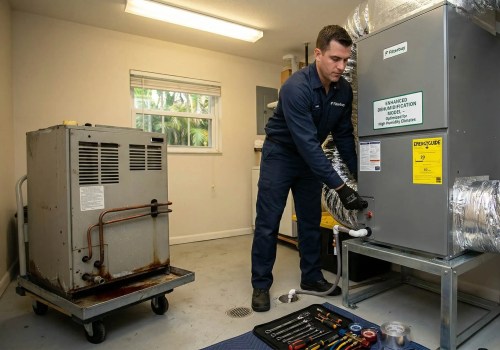
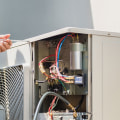
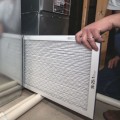
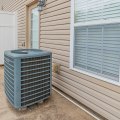
The air handler is a critical component of your HVAC system, serving as the heart that circulates conditioned air throughout your home. It plays a pivotal role in ensuring that your indoor environment remains comfortable, regardless of the weather outside. By managing the flow of air, the air handler not only helps maintain consistent temperatures but also contributes to the overall efficiency of your heating and cooling system. Understanding its function and importance can help homeowners make informed decisions about maintenance and potential replacements.At its core, the air handler contains essential elements such as the fan, heating and cooling elements, and filters.
These components work together to draw in air from your living spaces, condition it, and then distribute it back into your home. This process is vital for maintaining indoor air quality and comfort levels. When the air handler operates efficiently, it can significantly reduce energy consumption, leading to lower utility bills and a more sustainable household.However, when issues arise with the air handler—such as reduced airflow or unusual noises—it can signal deeper problems within your HVAC system. Ignoring these signs can lead to decreased performance and increased energy costs. These components work together to draw in air from your living spaces, condition it, and then distribute it back into your home. This process is vital for maintaining indoor air quality and comfort levels. When the air handler operates efficiently, it can significantly reduce energy consumption, leading to lower utility bills and a more sustainable household.However, when issues arise with the air handler—such as reduced airflow or unusual noises—it can signal deeper problems within your HVAC system. Ignoring these signs can lead to decreased performance and increased energy costs.
Therefore, recognizing the importance of the air handler is crucial for homeowners who wish to maintain an efficient and effective HVAC system. Regular inspections and timely replacements can prevent minor issues from escalating into major repairs, ensuring that your home remains a comfortable sanctuary.
Signs That Indicate Your Air Handler Needs Replacement
Recognizing the signs that your air handler may need replacement is crucial for maintaining a comfortable and efficient home environment. Ignoring these indicators can lead to more significant issues down the line, including costly repairs and increased energy bills. Here are some key symptoms to watch for:- Weak Airflow: If you notice that the airflow from your vents is weak or inconsistent, it could indicate a problem with the air handler.
This may be due to a failing fan motor or clogged filters, which can hinder the system's ability to circulate air effectively.
- Unusual Noises: Strange sounds such as grinding, squealing, or rattling can signal mechanical issues within the air handler. These noises often suggest that components are wearing out or that there is debris obstructing the fan.
- Inconsistent Temperatures: If certain rooms in your home are significantly warmer or cooler than others, it may be a sign that your air handler is struggling to distribute air evenly. This inconsistency can lead to discomfort and increased energy usage.
- Frequent Cycling: An air handler that turns on and off frequently may be overworking itself due to inefficiencies. This can lead to premature wear and tear, ultimately necessitating a replacement sooner than expected.
- Ice Formation: The presence of ice on the air handler or refrigerant lines is a serious concern.
This can indicate low refrigerant levels or airflow issues, both of which require immediate attention. If left unaddressed, it can lead to extensive damage.
- High Energy Bills: A sudden spike in your energy bills without any change in usage patterns may suggest that your air handler is not operating efficiently. As systems age, they often consume more energy to maintain desired temperatures, leading to higher costs.
- Age of the Unit: If your air handler is over 10-15 years old, it may be time to consider a replacement. Older units are more prone to failures and inefficiencies, making them less reliable in the long run.
Early detection of these symptoms can save you from more extensive repairs and ensure your home remains comfortable year-round.
The Cost Implications of Replacing Your Air Handler vs. the Entire System
When considering whether to replace just the air handler or the entire HVAC system, understanding the cost implications is crucial. While the initial expense of replacing only the air handler may seem appealing, it’s essential to evaluate the long-term financial impact.Replacing an air handler typically costs between $1,500 and $3,000, depending on the model and installation complexity. In contrast, a full HVAC system replacement can range from $5,000 to $15,000 or more.However, these figures do not tell the whole story. Here are some key factors to consider:
- Efficiency Gains: Newer HVAC systems are designed with advanced technology that enhances energy efficiency. If your air handler is outdated, pairing it with an older outdoor unit can lead to inefficiencies that drive up energy costs. A complete system replacement ensures all components work harmoniously, maximizing efficiency.
- Potential for Additional Repairs: If you replace only the air handler, you may soon face issues with other aging components of your HVAC system.
This could lead to unexpected repair costs that could exceed the savings from not replacing the entire system initially.
- Warranty Considerations: New HVAC systems often come with comprehensive warranties that cover parts and labor for several years. By replacing only the air handler, you may miss out on these benefits, leaving you vulnerable to future repair costs.
In contrast, investing in a new system can provide peace of mind and lower overall costs in the long run.Ultimately, while replacing just the air handler may seem like a cost-effective solution at first glance, it’s essential to weigh these factors carefully. A full system replacement may require a larger upfront investment but can lead to significant savings on energy bills and repairs over time.
Energy Efficiency and Your Air Handler: What You Need to Know
When it comes to maintaining a comfortable home environment, the efficiency of your air handler plays a pivotal role. An aging or malfunctioning air handler can significantly impact your HVAC system's energy efficiency, leading to increased energy bills and unnecessary strain on your system.Understanding Energy Efficiency
Energy efficiency refers to the ability of your HVAC system to provide the desired heating or cooling while using the least amount of energy possible. A well-functioning air handler is essential for achieving optimal energy efficiency.
It circulates air throughout your home, ensuring that every room receives adequate heating or cooling. However, as air handlers age, their performance can decline, leading to inefficiencies.
Impact on Energy Bills
One of the most immediate effects of a malfunctioning air handler is an increase in your monthly utility bills. If your air handler is not operating efficiently, it forces your HVAC system to work harder to maintain the desired temperature. This increased workload translates into higher energy consumption and, consequently, elevated energy bills.For instance, if you notice a sudden spike in your electricity costs during peak heating or cooling seasons, it may be time to evaluate the condition of your air handler.
Regular maintenance can help mitigate these costs, but if the unit is beyond repair or significantly outdated, replacement may be the most cost-effective solution.
HVAC Energy Consumption
The Department of Energy estimates that heating and cooling account for nearly half of a typical home's energy use. Therefore, ensuring that your air handler operates efficiently is crucial for reducing overall HVAC energy consumption. An inefficient air handler can lead to:
- Increased wear and tear: As the unit struggles to perform its job, other components may also suffer from added stress.
- Frequent repairs: An inefficient system often requires more frequent repairs, which can add up over time.
- Shortened lifespan: Ultimately, an overworked air handler will have a shorter lifespan than one that operates efficiently.
The Importance of Timely Replacements
Given the significant impact that an aging or malfunctioning air handler can have on energy efficiency and utility costs, timely replacements are essential. Homeowners should consider replacing their air handlers every 10-15 years or sooner if they notice signs of inefficiency.
Investing in a new, high-efficiency model can lead to substantial savings on energy bills and improve overall comfort in your home.In conclusion, understanding the relationship between your air handler's performance and energy efficiency is vital for maintaining a cost-effective and comfortable living environment. Regular inspections and timely replacements can help you avoid unnecessary expenses while ensuring that your HVAC system operates at peak performance.
The Risks of Replacing Only the Air Handler
When considering HVAC system maintenance, the decision to replace only the air handler can seem appealing due to lower upfront costs. However, this approach carries significant risks that can lead to long-term complications and expenses. Understanding these risks is crucial for homeowners looking to maintain an efficient and reliable heating and cooling system.Performance Issues
One of the primary concerns with replacing just the air handler is the potential for performance issues.
The air handler is designed to work in conjunction with other components of the HVAC system, such as the outdoor condenser unit and ductwork. If these components are not replaced simultaneously, you may encounter:
- Inconsistent Temperature Control: A new air handler may not effectively distribute air if the outdoor unit is outdated or incompatible, leading to hot or cold spots in your home.
- Reduced Efficiency: Mismatched components can cause the system to work harder than necessary, resulting in increased energy consumption and higher utility bills.
- Frequent Cycling: An improperly matched air handler may cause the system to cycle on and off more frequently, which can lead to premature wear and tear on both the air handler and other components.
Increased Likelihood of Future Breakdowns
Another significant risk of only replacing the air handler is the increased likelihood of future breakdowns. When components are mismatched, it can lead to:
- System Strain: An older outdoor unit may struggle to keep up with a new air handler's demands, leading to mechanical failures.
- Higher Repair Costs: As parts begin to fail due to strain, homeowners may find themselves facing unexpected repair bills that could have been avoided with a full system replacement.
- Shortened Lifespan: The overall lifespan of your HVAC system may be compromised when components are not working harmoniously together.
Consequences of Not Replacing the Entire System
The decision to replace only one part of your HVAC system can have far-reaching consequences. Homeowners should consider:
- Wasted Investment: Investing in a new air handler without addressing other aging components may result in wasted money if those parts fail shortly after.
- Decreased Home Comfort: A mismatched system can lead to discomfort due to inadequate heating or cooling, affecting your quality of life.
- Poor Indoor Air Quality: An inefficient system may struggle with proper filtration and ventilation, leading to potential health issues from poor indoor air quality.
Homeowners should carefully evaluate their entire HVAC system before making any replacement decisions to ensure long-term efficiency and comfort.
When to Consider Replacing Both Indoor and Outdoor Units Together
When it comes to maintaining your HVAC system, the decision to replace indoor and outdoor units together can significantly impact the overall performance and efficiency of your home’s heating and cooling. While it may be tempting to replace only the malfunctioning unit, there are several compelling reasons to consider a simultaneous replacement.Benefits of Simultaneous Replacement
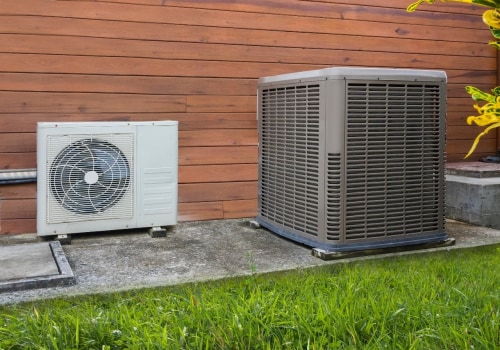
- Enhanced Compatibility: HVAC systems are designed as integrated units, meaning that the indoor and outdoor components work in harmony. Replacing both units at the same time ensures that they are compatible with each other, which can lead to improved efficiency and performance.
- Improved Energy Efficiency: Newer models of HVAC systems are built with advanced technology that enhances energy efficiency. By replacing both units simultaneously, you can take advantage of these improvements, potentially lowering your energy bills significantly.
- Cost-Effectiveness: While the upfront cost of replacing both units may seem higher, it can save you money in the long run.
When you replace only one unit, you may face additional costs for repairs or replacements in the near future. A complete system upgrade can prevent these unexpected expenses.
- Minimized Downtime: Replacing both units at once reduces the time your home is without heating or cooling. This is particularly important during extreme weather conditions when you need your HVAC system to function optimally.
- Warranty Benefits: Many manufacturers offer warranties that cover both indoor and outdoor units when they are replaced together. This can provide peace of mind and protect your investment for years to come.
HVAC Unit Compatibility
Compatibility between indoor and outdoor units is crucial for optimal performance.
When one unit is older or less efficient than the other, it can lead to a mismatch that affects the entire system's functionality. For instance, if you install a new high-efficiency outdoor unit with an older indoor air handler, the two may not work together effectively, leading to increased wear and tear on both components.Moreover, mismatched systems can result in uneven heating or cooling throughout your home, leading to discomfort and higher energy costs. Therefore, ensuring that both units are designed to work together is essential for achieving maximum efficiency and comfort.In conclusion, considering a simultaneous replacement of your indoor and outdoor HVAC units is a strategic decision that can enhance compatibility, improve energy efficiency, and ultimately save you money. By investing in a complete system upgrade, you ensure that your home remains comfortable while minimizing future repair costs.
Maintenance Tips to Extend the Life of Your Air Handler
Maintaining your air handler is essential for ensuring its longevity and optimal performance.By implementing a few simple maintenance tips, homeowners can significantly extend the life of their HVAC systems and improve overall efficiency. Here are some practical steps you can take:
- Regular Filter Changes: One of the most crucial maintenance tasks is to change or clean the air filter regularly. A clogged filter restricts airflow, causing the air handler to work harder and potentially leading to overheating or failure. Aim to check your filter monthly and replace it every 1-3 months, depending on usage and the type of filter. One of the most crucial maintenance tasks is to change or clean the air filter regularly. A clogged filter restricts airflow, causing the air handler to work harder and potentially leading to overheating or failure. Aim to check your filter monthly and replace it every 1-3 months, depending on usage and the type of filter.
- Keep the Area Clean: Ensure that the area around your air handler is free from debris, dust, and obstructions.
This allows for proper airflow and prevents overheating. Regularly vacuum or sweep the space to keep it clean.
- Inspect Ductwork: Leaky or dirty ducts can significantly reduce the efficiency of your air handler. Schedule regular inspections to check for leaks, blockages, or damage in your ductwork. Sealing leaks can improve airflow and reduce energy costs.
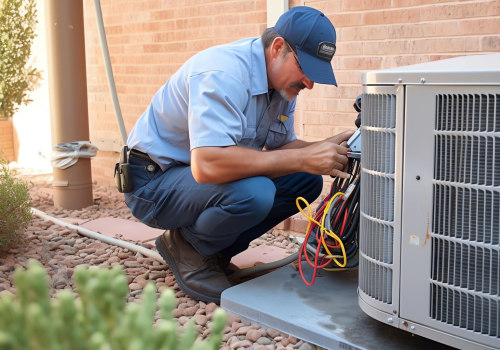
- Schedule Professional Maintenance: While there are many tasks homeowners can handle themselves, it’s wise to schedule annual professional maintenance.
A certified HVAC technician can perform a thorough inspection, clean critical components, and identify potential issues before they become major problems.
- Monitor System Performance: Pay attention to how your air handler operates. If you notice unusual noises, reduced airflow, or inconsistent temperatures, these could be signs of underlying issues that need immediate attention.
- Check Condensate Drain: The condensate drain line should be clear to prevent water buildup and potential damage. Regularly inspect this line for clogs and clean it as necessary to avoid water damage and mold growth.
Frequently Asked Questions About Air Handlers and AC Replacements
When it comes to air handlers and AC replacements, homeowners often have numerous questions.Understanding these components and their roles in your HVAC system can help you make informed decisions. Here are some frequently asked questions:
What is an air handler?
An air handler is a crucial part of your HVAC system that circulates conditioned air throughout your home. It contains essential components such as the fan, heating and cooling elements, and filters. The efficiency of your air handler directly impacts the overall performance of your heating and cooling system.How do I know if my air handler needs replacement?
Several signs indicate that your air handler may need to be replaced:- Inconsistent temperatures: If certain rooms in your home are significantly warmer or cooler than others, it may be a sign of an inefficient air handler.
- Unusual noises: Grinding, squealing, or rattling sounds can indicate mechanical issues that may require replacement.
- Increased energy bills: A sudden spike in your energy costs can suggest that your air handler is working harder than it should, often due to age or malfunction.
- Frequent repairs: If you find yourself calling for repairs more often, it might be more cost-effective to replace the unit altogether.
Can I replace just the air handler?
While it is technically possible to replace only the air handler, doing so may not be the best choice.HVAC systems are designed to work as a cohesive unit. Replacing just one component can lead to mismatched performance and efficiency issues. Experts often recommend replacing both the indoor and outdoor units simultaneously to ensure optimal compatibility and efficiency.
What factors should I consider when replacing my AC system?
When considering an AC replacement, keep the following factors in mind:- Age of the system: If your HVAC system is over 10-15 years old, it may be time for a complete replacement.
- Energy efficiency ratings: Look for units with high SEER (Seasonal Energy Efficiency Ratio) ratings to save on energy costs.
- Warranty options: Ensure you understand the warranty coverage for both parts and labor before making a purchase.
- Professional installation: Always hire certified HVAC professionals for installation to ensure proper setup and efficiency.
Conclusion: Making Informed Decisions About Your HVAC System
In summary, the decision to replace your air handler is not one to be taken lightly. It requires a thorough understanding of your HVAC system's overall health and efficiency.As we have discussed, the air handler plays a pivotal role in the performance of your heating and cooling system. When it begins to show signs of wear, it can lead to a cascade of issues that affect not only comfort but also energy consumption and costs.Here are some key takeaways to consider:
- Cost vs. Value: While replacing just the air handler may seem like a more economical choice initially, it can lead to higher expenses down the line if other components fail or if the system operates inefficiently.
- Signs of Malfunction: Be vigilant for indicators such as weak airflow, inconsistent temperatures, or unusual noises. These symptoms often signal that your air handler is struggling and may need replacement.
- Energy Efficiency: An aging air handler can significantly increase your energy bills.
Regular maintenance and timely replacements can help mitigate these costs and improve overall system efficiency.
- System Compatibility: Replacing only one component of your HVAC system can lead to mismatched parts, which may compromise performance. It’s generally advisable to replace both the indoor and outdoor units simultaneously for optimal efficiency.
- Professional Assessment: Consulting with a certified HVAC technician can provide valuable insights into the condition of your system and help you make informed decisions about repairs or replacements.