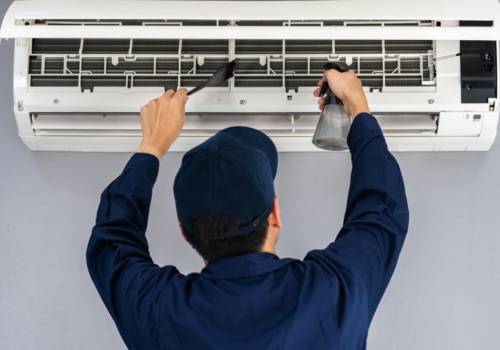
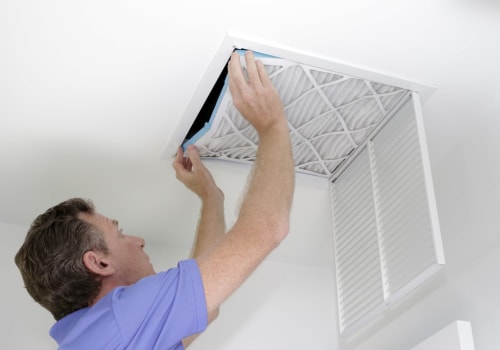
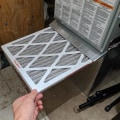
Understanding the fundamentals of air conditioning systems is essential for homeowners looking to maintain a comfortable living environment. At the heart of these systems are two primary components: the indoor unit and the outdoor unit. Each plays a crucial role in the overall functionality and efficiency of your HVAC system, and recognizing their individual contributions can help you make informed decisions regarding maintenance and replacement. The indoor unit, often referred to as the air handler, is responsible for circulating cool air throughout your home. It contains essential components such as the blower fan, evaporator coil, and air filter.
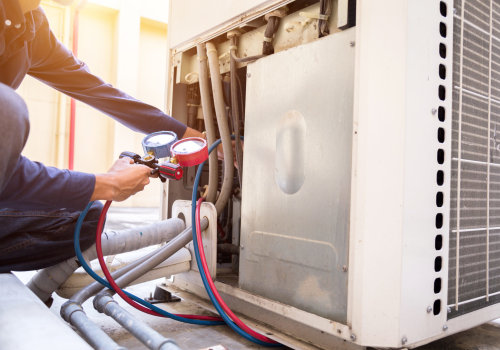
The blower fan draws warm air from your living spaces, which then passes over the evaporator coil where it is cooled before being distributed back into your home. This process not only enhances comfort but also helps maintain indoor air quality by filtering out dust and allergens. On the other hand, the outdoor unit houses critical elements like the compressor and condenser coil. The compressor is often considered the heart of the system, as it pumps refrigerant through the system to facilitate heat exchange. The condenser coil releases heat absorbed from inside your home into the outdoor environment.
Together, these components work in tandem to ensure that your air conditioning system operates efficiently and effectively. Understanding how these two units interact is vital when considering AC replacements. If one unit is outdated or malfunctioning, it can significantly impact the performance of the other. This interdependence underscores the importance of replacing both units simultaneously to ensure optimal efficiency and longevity of your HVAC system.
The Cost Implications of Replacing AC Units
When considering AC replacements, one of the most significant factors to evaluate is the cost implications of replacing both the outdoor and indoor units simultaneously. While the initial investment may seem daunting, understanding the long-term financial benefits can help homeowners make a more informed decision.First and foremost, replacing both units at the same time can lead to substantial savings on repair costs.If you opt to replace only one unit, you may find yourself facing unexpected repairs on the other unit shortly thereafter. This scenario not only incurs additional costs but also leads to potential downtime without air conditioning, which can be uncomfortable during peak summer months.Moreover, older systems often require more frequent repairs as they age. By replacing both units together, you mitigate the risk of ongoing maintenance expenses that can quickly add up. For instance, if your indoor unit is nearing the end of its lifespan and your outdoor unit fails, you could be looking at two separate replacement costs within a short period.
This not only strains your budget but also disrupts your home’s comfort.In addition to repair savings, energy efficiency plays a crucial role in the overall cost of AC replacements. Newer models are designed with advanced technology that significantly reduces energy consumption compared to older systems. When both units are replaced simultaneously, they work in harmony, optimizing energy use and lowering monthly utility bills. Homeowners can expect to see a noticeable decrease in their energy expenses, which can lead to hundreds of dollars saved each year.Furthermore, many modern air conditioning systems come equipped with features that enhance efficiency, such as variable-speed compressors and smart thermostats.
These innovations not only improve comfort levels but also contribute to long-term savings by reducing energy waste.Lastly, consider the potential increase in property value that comes with a new HVAC system. Prospective buyers are often willing to pay a premium for homes equipped with efficient and reliable heating and cooling systems. By investing in AC replacements now, you may enhance your home’s marketability and resale value in the future.In conclusion, while the upfront costs of replacing both outdoor and indoor AC units may seem high, the long-term financial benefits—including reduced repair costs, lower energy bills, and increased property value—make it a wise investment for homeowners looking to maintain comfort and efficiency in their homes.
Compatibility Issues Between Indoor and Outdoor Units
When it comes to air conditioning systems, the compatibility between indoor and outdoor units is crucial for optimal performance. Mismatched units can lead to a host of problems that not only affect comfort levels but also significantly increase operational costs.Understanding Compatibility
Compatibility refers to how well the indoor and outdoor units work together as a cohesive system.
Each component is designed to operate within specific parameters, including capacity, refrigerant type, and efficiency ratings. When these components are mismatched, it can result in:
- Reduced Efficiency: If the outdoor unit is too powerful for the indoor unit, it can cause short cycling, where the system turns on and off frequently. This not only wastes energy but also leads to uneven cooling throughout your home.
- Increased Wear and Tear: Mismatched systems can place undue stress on both units. For instance, if the indoor unit cannot handle the cooling load from a larger outdoor unit, it may lead to premature failure of components like the fan motor or evaporator coil.
- Higher Energy Bills: Inefficiencies caused by incompatible units often translate into higher energy consumption.
Homeowners may notice a spike in their utility bills as their system struggles to maintain desired temperatures.
The Importance of Matching SEER Ratings
Seasonal Energy Efficiency Ratio (SEER) ratings are essential when considering AC replacements. Ideally, both units should have similar SEER ratings to ensure they operate efficiently together. A significant disparity in SEER ratings can lead to:
- Inconsistent Performance: A high-efficiency outdoor unit paired with a low-efficiency indoor unit will not perform optimally, leading to discomfort and fluctuating temperatures.
- Compromised Warranty: Many manufacturers stipulate that their warranties are only valid if both units are from the same brand and compatible with each other. Installing mismatched units could void your warranty, leaving you responsible for costly repairs.
Conclusion
In summary, ensuring compatibility between your indoor and outdoor AC units is vital for maintaining efficiency and reducing operational costs.
When planning for AC replacements, consider replacing both units simultaneously to avoid the pitfalls of mismatched systems. This proactive approach not only enhances comfort but also protects your investment in your home’s HVAC system.
Environmental Considerations in AC Replacements
As the world becomes increasingly aware of environmental issues, the impact of air conditioning systems on our planet cannot be overlooked. One of the most pressing concerns is the use of older refrigerants, particularly R-22, which has been identified as a significant contributor to ozone depletion. Understanding the implications of these refrigerants and the benefits of transitioning to more eco-friendly options is crucial for homeowners considering AC replacements.The phase-out of R-22 refrigerant is a critical step in reducing environmental harm.The U. S. Environmental Protection Agency (EPA) has mandated a gradual reduction in the production and importation of R-22, with a complete ban expected in the near future. This means that homeowners with systems still using R-22 will face challenges not only in terms of availability but also in cost, as the remaining supplies become increasingly scarce and expensive.Switching to environmentally friendly refrigerants, such as R-410A or R-32, offers several advantages.
These alternatives have a much lower global warming potential (GWP) compared to R-22, making them a more sustainable choice for cooling your home. Additionally, these newer refrigerants are designed to work efficiently with modern AC systems, enhancing overall performance and energy efficiency.However, it is essential to recognize that simply replacing an outdoor unit that uses R-22 with one that utilizes a more eco-friendly refrigerant is not sufficient. The indoor unit must also be replaced to ensure compatibility and optimal performance. Mismatched systems can lead to inefficiencies, increased energy consumption, and potential system failures.When considering AC replacements, homeowners should look for units that are specifically designed for use with eco-friendly refrigerants.
Many manufacturers now offer systems that are compliant with current environmental standards and provide excellent energy efficiency ratings. Investing in these units not only benefits the environment but can also lead to significant savings on energy bills over time.In conclusion, addressing environmental considerations during AC replacements is vital for both homeowners and the planet. By replacing both indoor and outdoor units simultaneously and opting for systems that utilize environmentally friendly refrigerants, you can contribute to a healthier environment while ensuring your home remains comfortable and efficient.
The Risks of Delaying Replacement
Delaying the replacement of aging air conditioning units can lead to a myriad of risks that not only affect the comfort of your home but also your financial well-being. As systems age, their efficiency diminishes, and the likelihood of unexpected failures increases significantly.One of the most pressing concerns with postponing AC replacements is the potential for complete system failure.An older unit may struggle to maintain the desired temperature, leading to overworking and eventual breakdown. This can happen at the most inconvenient times, such as during a heatwave when you rely on your AC the most. When a system fails unexpectedly, you may find yourself in a situation where emergency repairs are necessary, often at a premium cost.Moreover, the financial implications of delaying replacement can be substantial. The longer you wait to replace an aging unit, the more money you may spend on repairs.
Frequent breakdowns can add up quickly, and these costs can easily surpass the price of a new system. For instance, if your unit requires multiple repairs within a single season, it might be more economical to invest in a new system rather than continue pouring money into an unreliable one.Additionally, older units often use outdated refrigerants that are not only less efficient but also more expensive to maintain. If your system uses R-22 refrigerant, for example, you may face higher costs due to its phase-out and limited availability. Transitioning to a new unit that uses more environmentally friendly refrigerants can save you money in both maintenance and energy costs.Another risk associated with delaying AC replacements is the impact on indoor air quality.
Aging systems may struggle to filter out dust, allergens, and other pollutants effectively. This can lead to health issues for occupants, particularly those with respiratory conditions or allergies. Investing in a new system not only enhances comfort but also ensures better air quality for your home.In summary, while it may be tempting to delay replacing an aging AC unit due to perceived costs or inconvenience, doing so can lead to significant risks including system failures, escalating repair costs, and compromised indoor air quality. Planning ahead and replacing both indoor and outdoor units simultaneously can mitigate these risks and provide peace of mind.
Choosing the Right Time for Replacement
When it comes to AC replacements, timing can significantly impact both the cost and efficiency of your new system.Understanding the best time to replace your indoor and outdoor units is crucial for maximizing your investment and ensuring optimal performance.
Seasonal Considerations
- Spring and Fall: These transitional seasons are often considered the best times for AC replacements. During spring, homeowners are preparing for the summer heat, while fall allows for replacements before winter sets in. Scheduling your replacement during these periods can help you avoid peak demand times, leading to better pricing and availability.
- Summer: Replacing your AC unit in the middle of summer can be challenging due to high demand. If your system fails during this time, you may face longer wait times for installation and potentially higher costs.
However, if your unit is showing signs of failure, it’s better to act quickly rather than risk being left without cooling.
- Winter: While it may seem counterintuitive, winter can also be a good time for AC replacements, especially if you are considering a complete HVAC overhaul that includes heating systems. Contractors often have more availability during the colder months, which can lead to better deals.
Planning for Replacements
Effective planning is essential when considering AC replacements. Here are some tips to help you prepare:
- Assess Your Current System: Regularly evaluate the performance of your indoor and outdoor units. If you notice inconsistent temperatures, unusual noises, or rising energy bills, it may be time to consider a replacement.
- Create a Budget: Determine how much you are willing to spend on a new system.
This will help guide your choices and ensure you select a unit that meets both your needs and financial constraints.
- Research Options: Take the time to research different brands and models. Look for energy-efficient units that will save you money on utility bills in the long run.
- Consult with Professionals: Engage with HVAC professionals who can provide insights into the best systems for your home and local climate conditions. They can also help you understand any potential rebates or incentives available for energy-efficient systems.
Frequently Asked Questions About AC Replacements
When it comes to AC replacements, homeowners often have numerous questions.Understanding the intricacies of HVAC systems can be daunting, but addressing common queries can help you make informed decisions. Below are some frequently asked questions regarding AC replacements.
1.Why should I replace both indoor and outdoor AC units at the same time?
Replacing both units simultaneously ensures optimal performance and efficiency. When one unit is replaced while the other remains outdated, it can lead to mismatched components, resulting in decreased efficiency and increased energy costs. Additionally, if your outdoor unit is failing, it’s likely that your indoor unit is not far behind in terms of performance issues.2.How do I know when it's time to replace my AC units?
Several signs indicate that it may be time for a replacement:- Age: If your system is over 10-15 years old, it may be more cost-effective to replace it rather than continue with repairs.
- Frequent Repairs: If you find yourself calling for repairs multiple times a year, it may be a sign that your system is nearing the end of its lifespan.
- Increased Energy Bills: A sudden spike in your energy bills can indicate that your system is working harder than it should be, often due to inefficiency.
3.What factors should I consider when choosing new AC units?
When selecting new units, consider the following:- Energy Efficiency: Look for units with high SEER ratings to ensure lower energy consumption.
- Size: Proper sizing is crucial; an oversized or undersized unit can lead to inefficiency and discomfort.
- Refrigerant Type: Ensure compatibility with modern refrigerants, especially if you are replacing older R-22 systems.
4.Can I replace just one unit?
While it is technically possible to replace only one unit, doing so can lead to complications.Mismatched systems can result in poor performance and higher operational costs. It’s generally advisable to replace both units together for optimal efficiency and longevity.
5.What are the benefits of upgrading my HVAC system?
Upgrading your HVAC system can provide numerous benefits:- Improved Efficiency: Newer models are designed to operate more efficiently, which can significantly reduce energy costs.
- Enhanced Comfort: Modern systems offer better temperature control and air quality features.
- Environmental Impact: Upgrading to units that use eco-friendly refrigerants helps reduce your carbon footprint.
Conclusion: The Case for Simultaneous Replacement of AC Units
In summary, the decision to replace both indoor and outdoor AC units simultaneously is not merely a matter of convenience; it is a strategic choice that can lead to significant benefits in terms of efficiency, cost savings, and environmental responsibility. By addressing both components of your air conditioning system at the same time, you can ensure optimal performance and longevity.One of the most compelling reasons for simultaneous replacement is the enhanced efficiency that comes from having matched systems. When both units are designed to work together, they operate more effectively, leading to lower energy consumption and reduced utility bills.This is particularly important as energy costs continue to rise, making efficiency a top priority for homeowners.Moreover, replacing both units at once can lead to substantial cost savings. While the initial investment may seem higher, it can prevent the need for future repairs and replacements. If you only replace one unit, you risk encountering issues with the other unit shortly thereafter, which could result in additional expenses. By investing in a complete system upgrade now, you can avoid these unexpected costs down the line.Additionally, there are significant environmental benefits associated with replacing older units.
Many older systems use R-22 refrigerant, which is being phased out due to its harmful effects on the ozone layer. Transitioning to newer models that utilize eco-friendly refrigerants not only complies with regulations but also contributes to a healthier planet.Finally, consider the peace of mind that comes with knowing your entire system is up-to-date and functioning optimally. This proactive approach minimizes the risk of breakdowns during peak usage times and enhances your overall comfort at home.In conclusion, replacing both indoor and outdoor AC units at the same time is a wise investment that pays off in multiple ways. From improved efficiency and cost savings to environmental stewardship, this decision supports a sustainable and comfortable living environment for years to come.