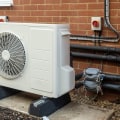
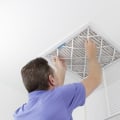
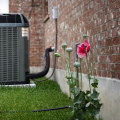
When it comes to maintaining a comfortable living environment, understanding AC replacements is essential for homeowners. Air conditioning systems are complex, comprising both indoor and outdoor units that work in tandem to regulate temperature and air quality. Each component plays a vital role in the overall efficiency and effectiveness of the system. Therefore, recognizing the significance of both units is crucial for making informed decisions about replacements. The indoor unit, typically located within your home, houses the evaporator coil, which absorbs heat from the air inside.
This process is complemented by the outdoor unit, which contains the condenser that releases the absorbed heat outside. When one of these units begins to fail or shows signs of inefficiency, it can have a cascading effect on the other unit. This interconnectedness means that neglecting to replace one unit while only focusing on the other can lead to increased energy consumption, higher utility bills, and ultimately, a shorter lifespan for your entire HVAC system. Moreover, understanding This process is complemented by the outdoor unit, which contains the condenser that releases the absorbed heat outside. When one of these units begins to fail or shows signs of inefficiency, it can have a cascading effect on the other unit. This interconnectedness means that neglecting to replace one unit while only focusing on the other can lead to increased energy consumption, higher utility bills, and ultimately, a shorter lifespan for your entire HVAC system. Moreover, understanding air conditioner units and their specific functions can empower homeowners to make better choices regarding their HVAC systems. Many people may not realize that older units not only consume more energy but can also contribute to poor indoor air quality.
This is particularly concerning for families with allergies or respiratory issues. By prioritizing simultaneous replacements of both indoor and outdoor units, homeowners can ensure optimal performance and improved air quality throughout their living spaces. In this article, we will explore why replacing both components at once is not just a matter of convenience but a necessity for long-term efficiency and cost-effectiveness. By delving into the intricacies of HVAC systems, we aim to equip you with the knowledge needed to make sound decisions regarding your air conditioning needs.
The Interconnected Nature of Indoor and Outdoor Units
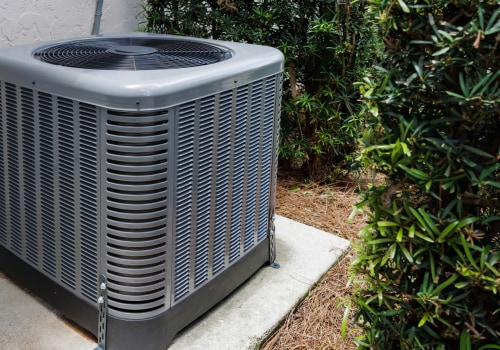
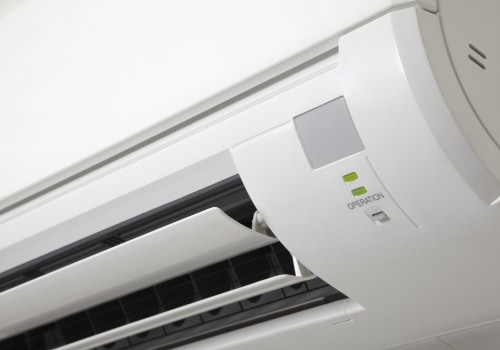
Understanding the relationship between the indoor and outdoor units of an air conditioning system is crucial for homeowners looking to maintain optimal HVAC system efficiency. These two components are not standalone entities; rather, they function as a cohesive unit to regulate your home's temperature and air quality.The indoor unit, typically located within your home, houses the evaporator coil.This coil plays a vital role in absorbing heat from the indoor air. Once the heat is absorbed, it is then transferred to the outdoor unit, which is responsible for expelling that heat into the external environment. This process is essential for maintaining a comfortable indoor climate.However, if either unit becomes inefficient or malfunctions, it can have a cascading effect on the entire system. For instance, if the outdoor unit is older and struggles to release heat effectively, the indoor unit will have to work harder to compensate.
This increased workload can lead to higher energy consumption and elevated utility bills.Moreover, an inefficient indoor unit can also impact the outdoor unit's performance. If the evaporator coil is dirty or malfunctioning, it may not absorb heat effectively, causing the outdoor unit to overexert itself in an attempt to cool your home. This strain can lead to premature wear and tear on both units, ultimately resulting in costly repairs or replacements.In addition to energy inefficiency, this interconnectedness can also affect your home's air quality. An older indoor unit may not filter air as effectively as a newer model, allowing dust, allergens, and other pollutants to circulate throughout your living space.
This can lead to health issues for you and your family.To summarize, recognizing the interconnected nature of indoor and outdoor AC units is essential for understanding why simultaneous replacements are necessary. By ensuring both units are functioning optimally together, you not only enhance air conditioning performance but also improve energy efficiency and indoor air quality.
Signs That Both Units Need Replacement
Recognizing the signs that both your indoor and outdoor air conditioning units need replacement is crucial for maintaining a comfortable and efficient home environment. Ignoring these signs can lead to more significant issues, including higher energy bills and complete system failure. Here are some common indicators that it may be time to consider AC replacements.1.Age of the Units
One of the most straightforward signs that both units may need replacement is their age.Most air conditioning systems have a lifespan of about 10 to 15 years. If your units are approaching or exceeding this age, it’s wise to start planning for a replacement. Older units tend to be less efficient and more prone to breakdowns.
2.Frequent Repairs
If you find yourself calling for repairs multiple times a year, it’s a clear indication that your system is struggling. Frequent repairs not only add up in costs but also suggest that both the indoor and outdoor units are failing to work in harmony.Investing in new units can save you from ongoing repair expenses.
3.Uneven Cooling
Are some rooms in your home significantly warmer or cooler than others? This uneven cooling can indicate that either the indoor or outdoor unit is not functioning properly, affecting the overall efficiency of your HVAC system. If both units are old, they may not be able to maintain consistent temperatures throughout your home.4.Increased Energy Bills
A noticeable spike in your energy bills can signal that your air conditioning system is working harder than it should be. If both units are outdated, they may consume more energy to cool your home effectively, leading to higher utility costs. Replacing them with newer, energy-efficient models can result in substantial savings.5.Strange Noises
Unusual sounds such as grinding, squealing, or banging coming from either unit can indicate mechanical issues that may require replacement.These noises often suggest that components within the units are failing, which can lead to further damage if not addressed promptly.
6.Poor Air Quality
If you notice an increase in dust, allergens, or humidity levels in your home, it could be a sign that your air conditioning system is not filtering air effectively. Both indoor and outdoor units play a role in maintaining air quality; if one is failing, it can compromise the entire system's performance.By being aware of these signs, homeowners can take proactive steps toward maintaining their HVAC systems. Regular maintenance checks by an HVAC professional can also help identify potential issues before they escalate into costly repairs or replacements.Cost-Effectiveness of Replacing Both Units at Once
When considering the cost of AC replacement, many homeowners often focus solely on the initial outlay required for new units. However, it is essential to look beyond the upfront costs and evaluate the long-term financial implications of replacing both indoor and outdoor air conditioning units simultaneously.One of the most significant advantages of replacing both units at once is the potential for substantial energy savings.Newer air conditioning systems are designed with advanced technology that enhances their efficiency. According to the U. S. Department of Energy, modern units can be up to 60% more efficient than older models.
This efficiency translates into lower energy bills, which can significantly offset the initial investment over time.For instance, if a homeowner spends $5,000 on a new combined system, they might see a reduction in their monthly energy costs by as much as $100. Over a year, that’s a savings of $1,200. In just a few years, these savings can cover a substantial portion of the replacement cost.Moreover, when both units are replaced together, homeowners can often take advantage of bundled discounts from HVAC contractors. Many companies offer promotions or reduced rates for simultaneous replacements, which can further alleviate the financial burden.
This approach not only saves money but also minimizes the hassle of scheduling multiple installations.Another critical factor to consider is the potential for costly repairs associated with an aging system. If one unit is replaced while the other remains old and inefficient, it may lead to increased wear and tear on the new unit. This imbalance can result in unexpected repair costs that could have been avoided by replacing both units at once.In addition to direct savings on energy bills and repair costs, there are also indirect financial benefits to consider. A home equipped with a modern HVAC system is more attractive to potential buyers.
If you plan to sell your home in the future, having both units replaced can enhance your property’s value and marketability.In conclusion, while the initial budget for HVAC replacements may seem daunting, the long-term financial benefits of replacing both indoor and outdoor air conditioner units simultaneously far outweigh the costs. By investing in a complete system upgrade, homeowners not only improve their comfort but also secure significant savings and increase their property value over time.
Energy Efficiency and Environmental Impact
In today's world, where energy conservation and environmental sustainability are paramount, the importance of energy-efficient AC units cannot be overstated. Replacing both indoor and outdoor air conditioning units with modern, energy-efficient models can significantly reduce energy consumption, leading to lower utility bills and a smaller carbon footprint.Newer air conditioning systems are designed with advanced technology that enhances their efficiency. For instance, many of these units utilize variable-speed compressors that adjust their output based on the cooling demand.This means they can operate at lower speeds for longer periods, consuming less energy while maintaining a comfortable indoor environment. In contrast, older models often run at a single speed, leading to frequent on-and-off cycling that wastes energy.
Environmental Benefits of New HVAC Systems
The environmental impact of upgrading to energy-efficient HVAC systems is profound. By reducing energy consumption, these systems help decrease the demand for electricity generated from fossil fuels, which are major contributors to greenhouse gas emissions. Environmental Protection Agency (EPA), buildings account for nearly 40% of total energy use in the United States.Therefore, improving the efficiency of HVAC systems can play a crucial role in mitigating climate change.Moreover, many new air conditioning units are designed with eco-friendly refrigerants that have a lower global warming potential (GWP) compared to older refrigerants like R-22. This transition not only helps in reducing the overall environmental impact but also aligns with regulatory changes aimed at phasing out harmful substances.
Long-Term Savings and Eco-Friendly Air Conditioning
Investing in eco-friendly air conditioning systems is not just beneficial for the environment; it also translates into long-term savings for homeowners. While the initial cost of purchasing and installing new units may seem high, the energy savings over time can offset this expense. Many homeowners report a significant reduction in their monthly energy bills after upgrading to more efficient systems.Additionally, many utility companies offer rebates and incentives for homeowners who choose to install energy-efficient HVAC systems. These programs can further alleviate the financial burden associated with replacing both indoor and outdoor units simultaneously.In conclusion, replacing both indoor and outdoor air conditioner units with modern, energy-efficient models is a wise decision that benefits not only your wallet but also the planet.By making this investment, you contribute to a more sustainable future while enjoying enhanced comfort and reduced energy costs.
Improving Indoor Air Quality with New Units
When considering the replacement of both indoor and outdoor air conditioning units, one of the most significant benefits is the substantial improvement in indoor air quality. Over time, older HVAC systems can accumulate dust, allergens, and other pollutants that compromise the air you breathe. By investing in new units, homeowners can enjoy a cleaner, healthier living environment.Enhanced Air Filtration
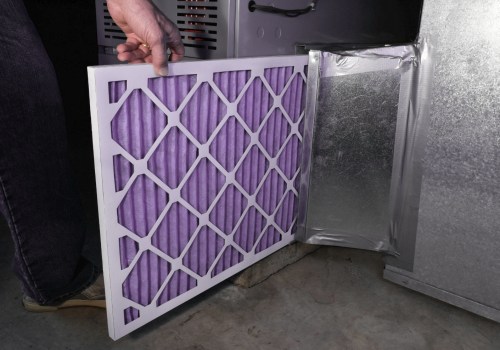
Modern air conditioning systems are equipped with advanced filtration technologies that effectively capture a wider range of airborne particles. These filters can trap dust, pollen, pet dander, and even microscopic pollutants such as mold spores and bacteria.
When both the indoor and outdoor units are replaced, homeowners can ensure that the entire system works in harmony to provide optimal filtration.Newer models often feature multi-stage filtration systems that not only filter out larger particles but also utilize HEPA filters or activated carbon filters to eliminate odors and harmful gases. This enhanced filtration capability significantly reduces the presence of allergens and irritants in your home.
Improved Air Circulation
Another critical aspect of indoor air quality is proper air circulation. Older units may struggle to maintain consistent airflow throughout your home, leading to stagnant air pockets where pollutants can accumulate. By replacing both units simultaneously, you ensure that the system is designed for optimal airflow, promoting better circulation and reducing the likelihood of stale air.With improved circulation, fresh air is continuously drawn into your living spaces while stale air is expelled.
This dynamic exchange helps to dilute indoor pollutants and maintain a healthier atmosphere.
Health Benefits
The health benefits associated with improved indoor air quality cannot be overstated. Poor air quality has been linked to various health issues, including respiratory problems, allergies, and even long-term conditions such as asthma. By upgrading to a new HVAC system, you are taking proactive steps to safeguard your family's health.Moreover, many modern systems come with features such as humidity control, which helps prevent mold growth—a common issue in homes with inadequate ventilation. Maintaining optimal humidity levels not only enhances comfort but also protects against health risks associated with mold exposure.In summary, replacing both indoor and outdoor air conditioning units leads to significant improvements in indoor air quality through enhanced filtration and better circulation.
The resulting health benefits make this investment not just a matter of comfort but also a crucial step towards ensuring a safe and healthy living environment for you and your family.
Increased Home Value with Updated HVAC Systems
When it comes to selling a home, many factors contribute to its overall market value, and one of the most significant is the condition and efficiency of the HVAC system. An updated air conditioning system not only enhances comfort but also serves as a strong selling point for potential buyers.Modern HVAC Systems and Home Value
Investing in a new air conditioning system can lead to a noticeable increase in your home's value. Buyers are increasingly looking for homes that offer energy efficiency and modern amenities. A new HVAC system can provide both, making your property more attractive in a competitive real estate market.According to various real estate studies, homes equipped with updated HVAC systems can sell for up to 10% more than similar homes with older systems.
This increase is largely due to the perceived value of energy efficiency and reduced maintenance costs associated with newer units.
Energy Efficiency as a Selling Point
Today's air conditioning units are designed with advanced technology that significantly reduces energy consumption. This not only lowers utility bills for homeowners but also appeals to environmentally conscious buyers. When potential buyers see an energy-efficient HVAC system, they often view it as a long-term investment that will save them money over time.
Attracting Buyers with Comfort Features
A modern HVAC system provides consistent temperature control and improved air quality, which are essential features for many homebuyers. Homes with updated systems often have better humidity control and filtration capabilities, leading to a more comfortable living environment.
Highlighting these features during showings can make your home stand out.
Documentation and Warranty Benefits
When selling your home, having documentation of recent HVAC upgrades can be beneficial. Providing potential buyers with warranties on new systems can further enhance their confidence in the purchase. This assurance can lead to quicker sales and potentially higher offers.
Conclusion
In summary, replacing your air conditioning system is not just about immediate comfort; it’s an investment in your property’s future value. By upgrading both indoor and outdoor units, you position your home favorably in the real estate market, appealing to buyers who prioritize efficiency, comfort, and modern amenities.
Common Myths About AC Replacements
When it comes to AC replacements, there are numerous myths and misconceptions that can cloud homeowners' judgment.Understanding the truth behind these myths is essential for making informed decisions about your HVAC system. Here, we will debunk some of the most common myths surrounding air conditioner replacements.
Myth 1: Replacing Only One Unit is Sufficient
Many homeowners believe that if one part of their air conditioning system is malfunctioning, they can simply replace that unit without addressing the other. This is a dangerous misconception. The indoor and outdoor units of an air conditioning system are designed to work in tandem.If one unit is outdated or inefficient, it can strain the other unit, leading to decreased performance and potential breakdowns.
Myth 2: Newer Units Are Always More Expensive
While it’s true that the initial cost of a new air conditioning unit can be significant, many homeowners overlook the long-term savings associated with newer models. Modern air conditioners are designed to be more energy-efficient, which can lead to substantial reductions in utility bills over time. Additionally, newer units often come with warranties that can save you money on repairs.Myth 3: All HVAC Systems Are the Same
This myth can lead to poor decision-making when it comes to AC replacements. Not all HVAC systems are created equal; they vary in efficiency ratings, technology, and compatibility with existing systems.It’s crucial to consult with an HVAC expert who can recommend a system tailored to your specific needs and home layout.
Myth 4: Regular Maintenance is Optional
Some homeowners believe that once they replace their air conditioning units, they no longer need to worry about maintenance. This is far from the truth. Regular maintenance is vital for ensuring the longevity and efficiency of your HVAC system. Neglecting routine check-ups can lead to costly repairs and premature replacements.Myth 5: Bigger Units Are Better
A common misconception is that larger air conditioning units will cool a home more effectively.In reality, an oversized unit can lead to short cycling, where the system turns on and off frequently, causing wear and tear. It’s essential to choose a unit that is appropriately sized for your home’s square footage and cooling needs.By debunking these myths, homeowners can make more informed decisions regarding their AC replacements. Understanding the facts versus misconceptions helps ensure that you invest wisely in your HVAC system, leading to improved efficiency, comfort, and cost savings in the long run.
FAQs About Replacing Indoor and Outdoor AC Units
When considering AC replacements, homeowners often have numerous questions regarding the process, benefits, and implications of replacing both indoor and outdoor units. Below are some frequently asked questions that can help clarify common concerns.1.Why should I replace both indoor and outdoor AC units at the same time?
Replacing both units simultaneously ensures optimal performance and efficiency.When one unit is older and less efficient, it can strain the other unit, leading to increased energy consumption and potential breakdowns. By replacing both, you ensure compatibility and maximize the lifespan of your entire system.
2.What are the signs that my AC units need replacement?
- Age: If your system is over 10-15 years old, it may be time for a replacement.
- Frequent Repairs: If you find yourself calling for repairs multiple times a year, it’s a sign that your system is failing.
- Increased Energy Bills: A sudden spike in your energy bills can indicate that your AC units are working harder than they should be.
- Poor Air Quality: If you notice dust accumulation or musty odors, it may be due to inefficient units.
3.How much does it cost to replace both units?
The cost of replacing both indoor and outdoor AC units can vary widely based on factors such as brand, efficiency ratings, and installation complexity. On average, homeowners can expect to pay between $5,000 to $10,000 for a complete system replacement. While this may seem steep initially, consider the long-term savings on energy bills and reduced repair costs.4.Will replacing my AC units improve energy efficiency?
Yes! Newer models are designed with advanced technology that enhances energy efficiency.By upgrading to a modern system, you can significantly reduce your energy consumption, leading to lower utility bills and a smaller carbon footprint.
5.How long does the replacement process take?
The installation of new AC units typically takes one to two days, depending on the complexity of the installation and any additional modifications needed for your home’s ductwork or electrical systems.If you have more questions about AC replacements, consulting with an HVAC professional can provide tailored advice based on your specific situation.Conclusion: The Case for Simultaneous Replacement of AC Units
In summary, the decision to replace both indoor and outdoor air conditioner units simultaneously is not merely a matter of convenience; it is a strategic choice that can lead to significant long-term benefits. Throughout this article, we have explored various aspects that underscore the importance of this approach.Interconnected Functionality
The indoor and outdoor units of an air conditioning system are designed to work in harmony. When one unit is outdated or malfunctioning, it can adversely affect the performance of the other. By opting for simultaneous replacement, homeowners can ensure that both units are operating at peak efficiency, thereby enhancing overall system performance.
Cost-Effectiveness
While the initial investment for replacing both units may seem daunting, it is essential to consider the long-term savings.
Newer models are typically more energy-efficient, which translates to lower utility bills. Additionally, by avoiding the need for frequent repairs and potential breakdowns associated with mismatched units, homeowners can save significantly over time.
Improved Air Quality
Another critical factor is the impact on indoor air quality. Aging air conditioning systems can harbor dust, mold, and other pollutants that compromise the air you breathe. By replacing both units at once, you not only enhance efficiency but also contribute to a healthier living environment.
Increased Home Value
For those considering selling their home in the future, having a modern and efficient HVAC system can be a compelling selling point.
Prospective buyers are often willing to pay a premium for homes equipped with reliable and efficient air conditioning systems.In conclusion, the case for replacing both indoor and outdoor air conditioner units simultaneously is compelling. From improved efficiency and cost savings to enhanced air quality and increased property value, the benefits are clear. Homeowners should weigh these factors carefully when making decisions about their HVAC systems to ensure they achieve optimal performance and longevity.