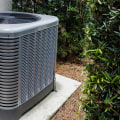
Understanding HVAC systems is essential for any homeowner looking to maintain a comfortable living environment. HVAC stands for Heating, Ventilation, and Air Conditioning, and it encompasses the technology used to regulate indoor temperature, humidity, and air quality. An efficient HVAC system not only enhances comfort but also plays a crucial role in energy conservation and cost savings. By grasping the fundamentals of HVAC systems, you can make informed decisions about maintenance, repairs, and replacements.At the core of an HVAC system are several key components that work together to provide optimal climate control. Understanding HVAC systems is essential for any homeowner looking to maintain a comfortable living environment. HVAC stands for Heating, Ventilation, and Air Conditioning, and it encompasses the technology used to regulate indoor temperature, humidity, and air quality. An efficient HVAC system not only enhances comfort but also plays a crucial role in energy conservation and cost savings. By grasping the fundamentals of HVAC systems, you can make informed decisions about maintenance, repairs, and replacements.At the core of an HVAC system are several key components that work together to provide optimal climate control.
These include the furnace or heat pump for heating, the air conditioner for cooling, ductwork for air distribution, and thermostats for temperature regulation. Additionally, ventilation systems ensure that fresh air circulates throughout your home while expelling stale air. Each component must function harmoniously to achieve maximum efficiency; otherwise, you may experience uneven temperatures or increased energy bills.The importance of maintaining an efficient HVAC system cannot be overstated. Regular maintenance not only prolongs the lifespan of your equipment but also ensures that it operates at peak performance.
An outdated or malfunctioning system can lead to higher energy consumption, resulting in inflated utility bills and a less comfortable home environment. Furthermore, poor air quality can exacerbate health issues such as allergies and respiratory problems. Therefore, understanding your HVAC system's components and their functions is vital in recognizing when it's time for an AC replacement or a complete system overhaul.
Signs It's Time to Replace Your HVAC System
Recognizing the right time to replace your HVAC system is crucial for maintaining a comfortable and energy-efficient home. Several signs can indicate that your system is nearing the end of its lifespan or is no longer functioning optimally.Here are some key indicators to watch for:
- Age of the System: Most HVAC systems have a lifespan of about 15 to 20 years. If your system is approaching this age, it’s wise to start considering a replacement, even if it seems to be working fine. Older systems often lack the energy efficiency of newer models, leading to higher utility bills.
- Frequent Repairs: If you find yourself calling for repairs more often than usual, it may be a sign that your HVAC system is failing. Frequent breakdowns not only disrupt your comfort but can also add up in repair costs.
If repair costs exceed 50% of the cost of a new system, it’s time to consider an AC replacement.
- Inconsistent Temperatures: Are some rooms in your home significantly warmer or cooler than others? This inconsistency can indicate that your HVAC system is struggling to distribute air evenly. It may be time for a replacement if you notice persistent temperature fluctuations.
- Rising Energy Bills: A sudden spike in your energy bills can signal that your HVAC system is working harder than it should be. As systems age, they become less efficient, leading to increased energy consumption. If you notice a consistent rise in your bills without any changes in usage, it might be time for an upgrade.
- Noisy Operation: Unusual noises such as grinding, squealing, or banging can indicate mechanical issues within your HVAC system.
While some sounds may be fixable, persistent noise problems could suggest that the unit is nearing the end of its life.
- Humidity Issues: An effective HVAC system should regulate humidity levels in your home. If you find that your home feels excessively humid or dry, it could mean that your system is not functioning properly and may need replacement.
Choosing the Right AC Unit for Your Home
Choosing the right air conditioning (AC) unit for your home is a crucial decision that can significantly impact your comfort, energy bills, and overall satisfaction with your HVAC system. With various options available, understanding how to select the best AC unit tailored to your specific needs is essential.Assessing Your Home's Size and Layout
The first step in selecting an AC unit is to evaluate the size of your home.The cooling capacity of an air conditioner is measured in British Thermal Units (BTUs). A unit with too low a BTU rating will struggle to cool your space, while one with too high a rating may cool too quickly without adequately dehumidifying the air.
- Small Rooms: For rooms up to 300 square feet, look for units with 5,000 to 7,000 BTUs.
- Medium Rooms: For spaces between 300 and 600 square feet, consider units with 7,000 to 14,000 BTUs.
- Large Rooms: For areas over 600 square feet, you may need units with 14,000 BTUs or more.
Types of AC Units
There are several types of AC units available on the market, each designed for different applications and preferences:- Central Air Conditioning: Ideal for cooling entire homes, central systems use ductwork to distribute cool air. They are efficient but require a significant upfront investment.
- Window Units: These are compact and designed for single rooms. They are generally less expensive but can be less efficient than central systems.
- Portable Air Conditioners: These units can be moved from room to room and do not require permanent installation.
They are convenient but may not be as energy-efficient as other options.
- Ductless Mini-Split Systems: These systems consist of an outdoor compressor and one or more indoor air handlers. They are highly efficient and allow for zoned cooling but can be pricier than window units.
Understanding Energy Efficiency Ratings
When selecting an AC unit, pay attention to its energy efficiency ratings. The Seasonal Energy Efficiency Ratio (SEER) measures the cooling output during a typical cooling season divided by the total electric energy input during the same period. A higher SEER rating indicates better energy efficiency.For optimal savings on your energy bills, look for units with a SEER rating of at least 14 or higher.Additionally, consider models that have earned the Energy Star label, which signifies that they meet strict energy efficiency guidelines set by the U. S. Environmental Protection Agency.In conclusion, choosing the right AC unit involves assessing your home's size, understanding the different types of units available, and considering energy efficiency ratings. By taking these factors into account, you can ensure that you select an air conditioning system that meets your needs while providing comfort and cost savings for years to come.
The Replacement Process: Step-by-Step Guide
Replacing your HVAC system is a significant investment, and understanding the replacement process can help you feel more confident in your decision.Here’s a detailed step-by-step guide to what you can expect during the HVAC replacement process.
- Initial Consultation : The journey begins with an initial consultation with an HVAC contractor. During this meeting, the contractor will assess your current system, discuss your comfort needs, and evaluate your home’s layout. This is also a great time to ask questions about energy efficiency, system types, and any concerns you may have.
- Load Calculation : After the consultation, the contractor will perform a load calculation. This involves measuring your home’s square footage, insulation levels, and window types to determine the appropriate size of the new AC unit.
An accurately sized system is crucial for optimal performance and energy efficiency.
- System Selection : Based on the load calculation, you will work with your contractor to select the best HVAC system for your needs. Consider factors such as energy efficiency ratings (SEER), brand reputation, and warranty options. It’s essential to choose a system that fits both your budget and comfort requirements.
- Preparation for Installation : Once you’ve selected a system, preparations for installation begin. This may involve clearing the installation area, ensuring access to necessary utilities, and making any required modifications to existing ductwork or electrical systems.
- Installation Day : On installation day, the contractors will arrive with the new equipment.
They will first disconnect and remove your old HVAC system safely. This includes draining refrigerant and disconnecting electrical components. After removal, they will install the new unit according to manufacturer specifications.
- Testing and Calibration : After installation, the contractor will test the new system to ensure it operates correctly. This includes checking refrigerant levels, airflow, and thermostat functionality.
Proper calibration is vital for maximizing efficiency and comfort.
- Final Walkthrough : Finally, the contractor will conduct a walkthrough with you to explain how to operate your new system effectively. They will also provide maintenance tips and answer any remaining questions you may have.
Cost Considerations for AC Replacements
When considering AC replacements, understanding the associated costs is crucial for effective budgeting. The total expense of replacing an HVAC system can vary significantly based on several factors, including the type of system, installation complexity, and regional pricing differences.1.Equipment Costs
- The price of the new HVAC unit itself is often the most substantial part of the overall cost.
On average, homeowners can expect to pay between $3,000 and $7,000 for a new air conditioning system, depending on the brand and efficiency rating.
- Higher efficiency models, such as those with a SEER (Seasonal Energy Efficiency Ratio) rating of 16 or above, may cost more upfront but can lead to significant savings on energy bills over time.
- Additional components, such as air handlers or ductwork, may also need to be replaced or upgraded, adding to the total cost.
2.Installation Fees
- Installation costs can range from $1,000 to $3,000 or more, depending on the complexity of the job. Factors influencing installation fees include:
- The layout of your home and accessibility of installation areas.
- The need for additional modifications to existing ductwork or electrical systems.
- Local labor rates and contractor experience.
- It’s advisable to obtain multiple quotes from licensed HVAC contractors to ensure competitive pricing and quality service.
3.Additional Considerations
- Don’t forget to factor in potential costs for permits or inspections required by local regulations.
- Consider any rebates or tax credits available for energy-efficient systems that can help offset initial costs.
- Finally, budgeting for routine maintenance after installation is essential to prolong the lifespan of your new system and maintain its efficiency.
Finding a Reliable HVAC Contractor
Choosing a reliable HVAC contractor is crucial for ensuring that your AC replacements are handled efficiently and effectively. With so many options available, it can be overwhelming to find the right professional for your needs. Here are some essential tips to help you navigate the selection process.Research and Recommendations
Start by asking friends, family, and neighbors for recommendations.Personal experiences can provide valuable insights into the quality of service offered by local contractors. Additionally, check online reviews on platforms like Google, Yelp, or Angie's List to gauge customer satisfaction.
Verify Credentials
Before hiring an HVAC contractor, ensure they are licensed and insured. A valid license indicates that the contractor has met the necessary training and regulatory requirements. Insurance protects you from liability in case of accidents or damages during the installation process.Questions to Ask
When interviewing potential contractors, consider asking the following questions:- How long have you been in business? Experience often correlates with reliability and expertise.
- Can you provide references? Speaking with past clients can give you a clearer picture of their work quality.
- What brands do you recommend? A knowledgeable contractor should be able to suggest reputable brands based on your specific needs.
- Do you offer a warranty on your work? A solid warranty can provide peace of mind regarding the longevity of your new system.
- What is your process for installation? Understanding their approach can help you assess their professionalism and thoroughness.
Red Flags to Watch Out For
While searching for a contractor, be mindful of potential red flags:- Lack of written estimates: A reputable contractor should provide a detailed written estimate outlining costs and services.
- No physical address: Ensure the contractor has a legitimate business location; this adds credibility.
- Pushing for immediate decisions: Avoid contractors who pressure you to make quick decisions without giving you time to consider your options.
Maintaining Your New HVAC System for Longevity
Once you have installed your new HVAC system, the next crucial step is to ensure its longevity through proper maintenance.Regular upkeep not only enhances the efficiency of your system but also extends its lifespan, ultimately protecting your investment.
1.Regular Filter Changes
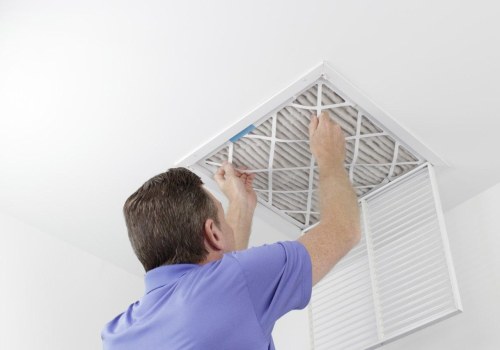
- One of the simplest yet most effective maintenance tasks is changing or cleaning the air filters. Clogged filters restrict airflow, making your system work harder and less efficiently.
- Check your filters every month, especially during peak usage seasons, and replace them at least every three months. If you have pets or allergies, consider changing them more frequently.
2.Schedule Annual Professional Inspections
- While DIY maintenance is essential, having a professional technician inspect your HVAC system annually is equally important. They can identify potential issues before they become major problems.
- During these inspections, technicians will clean the coils, check refrigerant levels, and ensure that all components are functioning correctly.
3.Keep the Outdoor Unit Clear
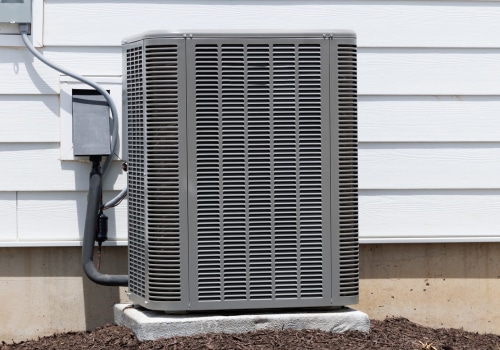
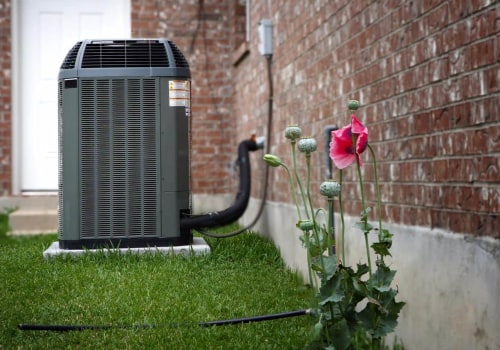
- The outdoor condenser unit should be free from debris such as leaves, dirt, and grass clippings.
Ensure there’s at least two feet of clearance around the unit to allow for proper airflow.
- Regularly check for any obstructions and clean the area around the unit to maintain optimal performance.
4.Monitor Thermostat Settings
- Using a programmable thermostat can help maintain consistent temperatures while reducing energy consumption. Set it to adjust automatically based on your schedule.
- Ensure that your thermostat is functioning correctly and is located away from heat sources or direct sunlight to avoid inaccurate readings.
5.Insulate Ductwork
- If your HVAC system uses ductwork, ensure it is properly insulated to prevent energy loss. Leaky ducts can significantly reduce efficiency and increase energy bills.
- Consider having a professional perform a duct inspection and sealing if necessary.
6.Keep an Eye on Performance
- Pay attention to any changes in your HVAC system's performance, such as unusual noises or fluctuating temperatures. These could be signs that maintenance is needed.
- If you notice any significant changes, contact a professional immediately to diagnose and resolve the issue.
Regular care not only enhances comfort but also saves you money on energy bills and costly repairs in the long run.
Frequently Asked Questions About AC Replacements
When considering AC replacements, homeowners often have numerous questions. Understanding the intricacies of HVAC systems can help you make informed decisions. Here are some frequently asked questions that can clarify your concerns:What are the signs that I need to replace my AC unit?
Several indicators suggest it might be time for an AC replacement:- Age of the Unit: If your air conditioning system is over 15 years old, it may be less efficient and more prone to breakdowns.
- Frequent Repairs: If you find yourself calling for repairs multiple times a year, it may be more cost-effective to invest in a new system.
- Increased Energy Bills: A sudden spike in your energy costs can indicate that your AC unit is working harder than it should, often due to inefficiency.
- Inconsistent Temperatures: If certain rooms in your home are warmer or cooler than others, it could signal that your AC is struggling to maintain a consistent temperature.
How long does an AC replacement take?
The duration of an AC replacement can vary based on several factors, including the complexity of the installation and the type of system being installed. Generally, you can expect the process to take anywhere from 4 to 8 hours.However, if ductwork needs to be replaced or modified, it may take longer.
What should I look for in an HVAC contractor?
Selecting the right HVAC contractor is crucial for a successful installation. Here are some key points to consider:- Licensing and Insurance: Ensure that the contractor is licensed and insured to protect yourself from liability.
- Experience: Look for contractors with a proven track record in AC replacements and positive customer reviews.
- Estimates: Obtain written estimates from multiple contractors to compare pricing and services offered.
- Warranty Information: Inquire about warranties on both the equipment and the installation work.
Can I install an AC unit myself?
While some homeowners may consider a DIY approach to installing an AC unit, it is generally not recommended. HVAC systems require specialized knowledge and tools for proper installation. Incorrect installation can lead to inefficiencies, increased energy costs, and potential safety hazards.It’s best to hire a qualified professional for this task.If you have further questions or specific concerns about your HVAC system, don’t hesitate to reach out to a local expert who can provide tailored advice based on your unique situation.
Conclusion: Making Informed Decisions About Your HVAC System
In conclusion, replacing your HVAC system is a significant investment that can greatly enhance the comfort and efficiency of your home. Throughout this guide, we have explored various aspects of AC replacements, from understanding the components involved to the importance of selecting the right contractor. Making informed decisions is crucial to ensure that you not only choose a system that meets your needs but also one that operates efficiently and effectively.One of the key takeaways is the importance of assessing your current HVAC system's performance. If your unit is over 15 years old or requires frequent repairs, it may be time to consider a replacement.Additionally, understanding the signs that indicate inefficiency—such as rising energy bills, inconsistent temperatures, or unusual noises—can help you make timely decisions.When it comes to selecting a new system, it’s essential to consider factors such as energy efficiency ratings, size, and compatibility with your existing ductwork. Investing in a high-efficiency model can lead to substantial savings on energy costs over time. Furthermore, consulting with multiple HVAC professionals can provide you with a range of options and pricing, allowing you to make a more informed choice.Moreover, don’t overlook the importance of proper installation. A poorly installed system can negate any potential savings and lead to further issues down the line.
Therefore, choosing a reputable contractor with experience in AC replacements is vital. Look for reviews, ask for references, and ensure they are licensed and insured.Finally, remember that maintaining your new HVAC system is just as important as the initial installation. Regular maintenance checks can prolong the life of your unit and keep it running at peak efficiency. By staying proactive about maintenance and being informed about your options, you can enjoy a comfortable home environment while maximizing your investment.In summary, making informed decisions about your HVAC system involves careful consideration of its current state, understanding replacement options, selecting qualified professionals for installation, and committing to ongoing maintenance.
By following these guidelines, you can ensure that your new HVAC system serves you well for years to come.