Understanding the intricacies of air conditioning systems is essential for homeowners, especially when faced with the decision of whether to replace just the outdoor unit or the entire system. An air conditioning unit is composed of two main components: the indoor unit and the outdoor unit. Each plays a crucial role in maintaining a comfortable indoor environment, and their functions are interdependent. The indoor unit , often referred to as the air handler, is responsible for circulating cool air throughout your home. It contains essential components such as the evaporator coil, which absorbs heat from the indoor air, and the blower fan, which pushes the cooled air into your living spaces.
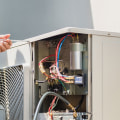
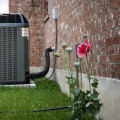
On the other hand, the outdoor unit houses the compressor and condenser coil. The compressor pumps refrigerant through the system, while the condenser coil releases heat absorbed from inside your home to the outside environment. When considering AC replacements, it’s important to recognize that both units must work in harmony for optimal performance. If one component fails or becomes outdated, it can significantly impact the efficiency and effectiveness of your entire system. For instance, an older outdoor unit may struggle to keep up with a newer indoor unit, leading to increased energy consumption and higher utility bills. Moreover, understanding how these components interact can help you make informed decisions about maintenance and replacements.
Regular upkeep of both units not only prolongs their lifespan but also ensures that your home remains comfortable year-round. As we delve deeper into the topic of AC replacements, it’s vital to keep in mind how each part of your system contributes to its overall functionality.
Signs That Indicate a Need for Replacement
Recognizing the signs that your air conditioning unit may need replacement is crucial for maintaining a comfortable living environment. Ignoring these indicators can lead to more significant issues down the line, including higher energy bills and complete system failure. Here are some common signs that suggest it might be time to consider AC replacements.- Age of the Unit: One of the most straightforward indicators is the age of your air conditioning system.
Most units have a lifespan of about 10 to 15 years. If your system is approaching or has surpassed this age, it may be more cost-effective to replace it rather than continue investing in repairs.
- Frequent Repairs: If you find yourself calling for repairs multiple times a year, it’s a clear sign that your AC unit is struggling. Frequent breakdowns not only disrupt your comfort but can also add up in costs, making a replacement a more viable option.
- Inconsistent Temperatures: Are some rooms in your home significantly warmer or cooler than others? This inconsistency can indicate that your AC unit is failing to distribute air effectively, which may be due to an aging system or one that is no longer compatible with your home’s needs.
- High Energy Bills: A sudden spike in your energy bills can be a red flag. If your air conditioning unit is working harder than it should to cool your home, it may be time for an upgrade.
Newer models are designed to be more energy-efficient, which can save you money in the long run.
- Noisy Operation: Unusual sounds such as grinding, squealing, or banging can indicate serious mechanical issues within your AC unit. While some noises can be fixed with repairs, persistent loud operation often suggests that replacement is necessary.
- Humidity Issues: An effective air conditioning system should help control humidity levels in your home. If you notice excessive humidity or dampness, it could mean that your unit is not functioning properly and may need replacement.
- Foul Odors: Strange smells emanating from your AC unit can indicate mold growth or electrical issues. If cleaning the filters and ducts doesn’t resolve the problem, it might be time to consider a new system.
Early detection and action can save you from costly repairs and ensure that you remain comfortable throughout the hot months.
Pros and Cons of Replacing Only the Outdoor Unit
When considering whether to replace the outdoor AC unit alone, it’s crucial to weigh the pros and cons carefully. This decision can significantly impact your home’s comfort, energy efficiency, and overall costs.Pros of Replacing Only the Outdoor Unit
- Cost Savings: One of the most immediate benefits of replacing just the outdoor unit is the potential for lower upfront costs. If your indoor unit is still functioning well, you can save money by not having to replace the entire system.
- Less Disruption: A partial replacement typically involves less installation time and disruption compared to a full system replacement. Homeowners can enjoy a quicker return to normalcy.
- Compatibility with New Technology: If your indoor unit is relatively new, pairing it with a modern outdoor unit can enhance performance.
Newer models often come with improved energy efficiency ratings, which can lead to lower utility bills.
- Warranty Considerations: If your indoor unit is still under warranty, replacing only the outdoor component may keep that warranty intact, provided that the new unit is compatible.
Cons of Replacing Only the Outdoor Unit
- Potential Compatibility Issues: One of the significant drawbacks is that not all outdoor units are compatible with older indoor units. Mismatched systems can lead to inefficiencies and may void warranties.
- Limited Energy Efficiency Gains: While a new outdoor unit may be more efficient, if paired with an older indoor unit, you might not see substantial energy savings. The overall system performance could still be limited by the older technology.
- Shorter Lifespan: If your indoor unit is nearing the end of its lifespan, investing in a new outdoor unit may only delay the inevitable need for a complete system replacement. This could lead to additional costs in the near future.
- Increased Maintenance Needs: A mismatched system may require more frequent repairs and maintenance, leading to higher long-term costs and inconvenience.
Consulting with a qualified HVAC technician can provide valuable insights tailored to your specific situation, ensuring you make an informed choice that best suits your home’s needs.
Factors to Consider Before Making a Decision
When contemplating whether to replace just the outdoor unit of your air conditioning system or the entire setup, several critical factors come into play. Understanding these elements can help you make an informed decision that balances cost, efficiency, and longevity.1.Age of the System
The age of your current air conditioning system is a significant factor in your decision-making process. Most air conditioning units have a lifespan of about 10 to 15 years. If your system is nearing the end of its life expectancy, it may be more prudent to invest in a complete replacement rather than just the outdoor unit.
An older indoor unit may not work efficiently with a new outdoor unit, leading to potential compatibility issues and increased energy costs.
2.Compatibility Issues
Compatibility between the indoor and outdoor units is crucial for optimal performance. If you decide to replace only the outdoor unit, ensure that it is compatible with your existing indoor unit. Mismatched components can lead to inefficiencies, reduced cooling capacity, and even damage to the system. Manufacturers often recommend replacing both units simultaneously to maintain warranty coverage and ensure peak performance.
3.Warranty Considerations
Warranties play a vital role in your decision-making process.
If your current system is still under warranty, replacing just the outdoor unit may be a viable option, as long as the new unit is compatible with the existing one. However, if your warranty has expired or if you are unsure about compatibility, it might be safer to replace the entire system. A complete replacement often comes with a new warranty, providing peace of mind and protection against future repairs.
4.Energy Efficiency
Another important consideration is energy efficiency. Newer models are designed to be more energy-efficient than older systems.
If your indoor unit is outdated, pairing it with a new outdoor unit may not yield significant energy savings. In contrast, replacing both units can lead to substantial reductions in energy bills over time.In conclusion, weighing these factors—system age, compatibility issues, warranty implications, and energy efficiency—will guide you in making an informed decision about whether to replace just the outdoor AC unit or invest in a complete system overhaul.
Energy Efficiency and Cost Savings
When considering whether to replace just the outdoor unit of your air conditioning system, one of the most critical factors to evaluate is energy efficiency. Modern air conditioning units are designed with advanced technology that significantly enhances their efficiency compared to older models. This improvement not only contributes to a more comfortable indoor environment but also leads to substantial cost savings over time.Newer AC units often come equipped with features such as variable speed compressors, which adjust their output based on the cooling demand.This means they can operate at lower speeds for longer periods, consuming less energy while maintaining a consistent temperature. In contrast, older units typically run at a single speed, leading to higher energy consumption and fluctuating temperatures.
Understanding SEER Ratings
Another important aspect of energy efficiency is the Seasonal Energy Efficiency Ratio (SEER) rating. This rating measures the cooling output of an air conditioner over a typical cooling season divided by the total electric energy input during the same period. The higher the SEER rating, the more efficient the unit is.For instance, while older models may have SEER ratings as low as 10, modern units can achieve ratings of 16 or higher. This difference can translate into significant savings on your monthly energy bills.
Long-Term Financial Benefits
Investing in a new, energy-efficient AC unit can lead to considerable long-term financial benefits. Although the initial cost may be higher than simply replacing the outdoor unit, the savings on energy bills can quickly offset this expense. Many homeowners report reductions in their cooling costs by 20% or more after upgrading to a more efficient model.Additionally, many utility companies offer rebates and incentives for homeowners who choose to install high-efficiency systems.These programs can further reduce the upfront costs associated with purchasing a new unit.
The Environmental Impact
Beyond personal savings, opting for an energy-efficient air conditioning system also has positive implications for the environment. By reducing energy consumption, you are contributing to lower greenhouse gas emissions and lessening your carbon footprint. This is an increasingly important consideration for many consumers today.In conclusion, while it may be tempting to replace only the outdoor unit of your AC system, evaluating the energy efficiency and potential cost savings of a complete replacement is essential. The benefits of modern AC technology not only enhance comfort but also provide long-term financial and environmental advantages that should not be overlooked.Consulting with Professionals: When and Why?
When faced with the decision of whether to replace just the outdoor AC unit or the entire system, consulting with HVAC professionals is crucial.Their expertise can provide invaluable insights that help you make an informed choice, ultimately saving you time and money.
Understanding the Importance of Expert Advice
HVAC systems are complex, and each component plays a vital role in overall performance. A qualified technician can assess your current system's condition, evaluate its efficiency, and determine whether a partial or full replacement is the best course of action. Here are some reasons why seeking expert advice is essential:
- Comprehensive Assessment: Professionals can conduct a thorough evaluation of both the indoor and outdoor units, identifying any underlying issues that may not be immediately apparent.
- Compatibility Checks: If you consider replacing only the outdoor unit, an expert can confirm whether it will work seamlessly with your existing indoor unit, ensuring optimal performance.
- Energy Efficiency Insights: HVAC professionals can provide information on newer models that offer better energy efficiency, which could lead to significant savings on your utility bills.
- Warranty Considerations: They can help you understand warranty implications when mixing and matching components from different manufacturers.
Choosing the Right HVAC Technician
Selecting a qualified HVAC technician is just as important as consulting one. Here are some tips to ensure you choose the right professional for your needs:
- Check Credentials: Look for technicians who are licensed and insured.
This ensures they have met industry standards and are qualified to perform the work.
- Read Reviews: Online reviews and testimonials can provide insight into a technician's reputation and reliability. Look for feedback on their expertise in AC replacements.
- Ask for Referrals: Personal recommendations from friends or family can lead you to trustworthy professionals who have successfully handled similar situations.
- Get Multiple Quotes: Don’t settle for the first estimate you receive. Comparing quotes from different technicians can help you gauge fair pricing and service quality.
Maintenance Tips for Your Air Conditioning System
Maintaining your air conditioning system is crucial for ensuring its longevity and efficiency.Regular maintenance not only helps in prolonging the lifespan of both indoor and outdoor units but also enhances their performance, leading to lower energy bills and improved comfort levels in your home. Here are some essential AC maintenance tips to keep your system running smoothly:
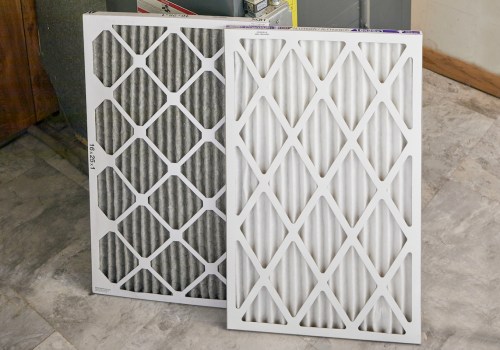
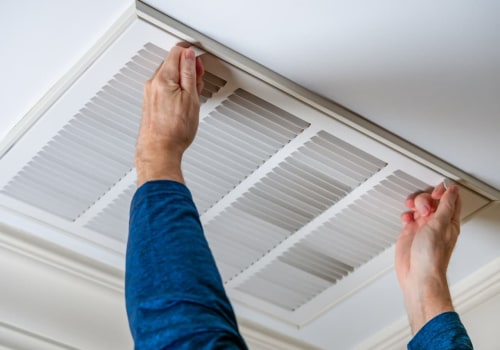
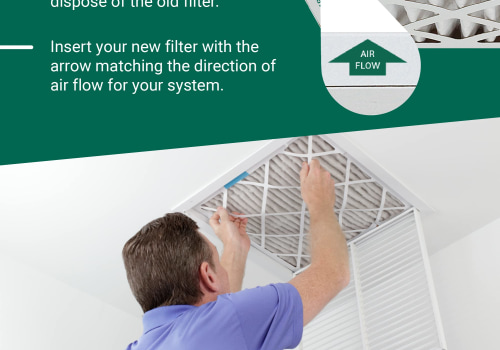
- Change or Clean Filters Regularly: One of the simplest yet most effective maintenance tasks is to check and replace or clean the air filters every 1-3 months. Clogged filters restrict airflow, making your system work harder and reducing its efficiency.
- Keep the Outdoor Unit Clear: Ensure that the area around your outdoor unit is free from debris, leaves, and vegetation. This allows for proper airflow and prevents overheating.
Trim any nearby shrubs or plants to maintain at least two feet of clearance.
- Inspect Ductwork: Leaky ducts can significantly reduce your system's efficiency. Regularly inspect ductwork for any signs of wear or damage, and seal any leaks with appropriate materials.
- Schedule Professional Maintenance: At least once a year, have a qualified technician perform a comprehensive inspection and tune-up of your AC system. This includes checking refrigerant levels, cleaning coils, and ensuring all components are functioning correctly.
- Monitor Thermostat Settings: Ensure that your thermostat is functioning properly and set to an optimal temperature. Consider upgrading to a programmable thermostat for better energy management.
- Clean the Coils: Both the evaporator and condenser coils should be cleaned regularly to remove dirt and debris that can hinder heat exchange.
This task is best performed by a professional during routine maintenance.
- Check Drain Lines: Ensure that the condensate drain line is clear of obstructions. A clogged drain can lead to water damage and increased humidity levels in your home.
Frequently Asked Questions (FAQs)
When considering whether to replace just the outdoor AC unit or the entire system, many homeowners have questions. Here are some of the most frequently asked questions regarding AC replacements and the implications of replacing only the outdoor unit.1.Can I replace just the outdoor unit?
Yes, it is possible to replace only the outdoor unit of your air conditioning system.Yes, it is possible to replace only the outdoor unit of your air conditioning system.However, compatibility with your existing indoor unit is crucial. If the two units are not compatible, you may face issues with performance and warranty coverage.
2.What happens if I mix brands or models?
If you choose to install an outdoor unit from a different brand or model than your indoor unit, you risk voiding any existing warranties. Manufacturers typically do not guarantee performance or reliability when their products are paired with those from other brands.3.How do I know if my indoor and outdoor units are compatible?
The best way to determine compatibility is to consult with a qualified HVAC technician. They can assess your current system and recommend suitable replacement options that will work together efficiently.4.Is it more cost-effective to replace just the outdoor unit?
In some cases, replacing only the outdoor unit can be more economical, especially if your indoor unit is relatively new and in good condition.However, consider the age of your entire system; if it’s nearing the end of its lifespan, a full replacement might be a better long-term investment.
5.What are the benefits of replacing the entire system?
- Improved Energy Efficiency: Newer systems are designed to be more energy-efficient, which can lead to significant savings on energy bills.
- Enhanced Performance: A complete system replacement ensures that all components work harmoniously, improving overall performance.
- Warranty Coverage: A new system typically comes with a warranty that covers parts and labor for several years.
6.How often should I consider replacing my AC unit?
If your air conditioning system is over 10-15 years old, it may be time to consider a replacement. Frequent repairs or rising energy costs can also indicate that it’s time for an upgrade.Ultimately, whether you choose to replace just the outdoor unit or the entire AC system should be based on careful consideration of your current setup and future needs. Consulting with a professional can provide clarity and help you make an informed decision.Conclusion: Making the Right Choice for Your Home
Deciding whether to replace just the outdoor unit of your air conditioning system or the entire setup is a significant choice that can impact your home’s comfort and your wallet. Throughout this article, we have explored various factors that should guide your decision-making process.First and foremost, understanding the age and condition of your current system is crucial.If your indoor unit is relatively new and in good working order, replacing only the outdoor unit may be a viable option. However, if your system is aging and showing signs of wear, a complete replacement might be more beneficial in the long run.Another important consideration is compatibility. When replacing just the outdoor unit, it’s essential to ensure that it matches well with your existing indoor unit. Mismatched components can lead to inefficiencies and may void warranties, leaving you vulnerable to unexpected repair costs.Additionally, energy efficiency plays a vital role in this decision.
Newer models often come equipped with advanced technology that can significantly reduce energy consumption. If your current system is outdated, investing in a complete replacement could lead to substantial savings on your energy bills over time.Moreover, warranty coverage should not be overlooked. If your existing system is still under warranty, replacing just the outdoor unit might be covered, providing peace of mind and financial relief. Conversely, if the warranty has expired, you may want to consider a full system replacement to avoid future repair costs.In conclusion, making an informed decision about AC replacements requires careful consideration of multiple factors including age, compatibility, energy efficiency, and warranty status.
Consulting with a trusted HVAC technician can provide valuable insights tailored to your specific situation. Remember that regular maintenance is key to prolonging the life of any air conditioning system you choose.Ultimately, whether you opt for a partial or complete replacement, ensuring that you make a well-informed choice will lead to greater comfort and efficiency in your home for years to come.