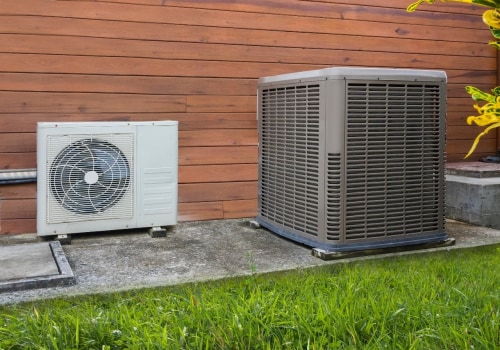
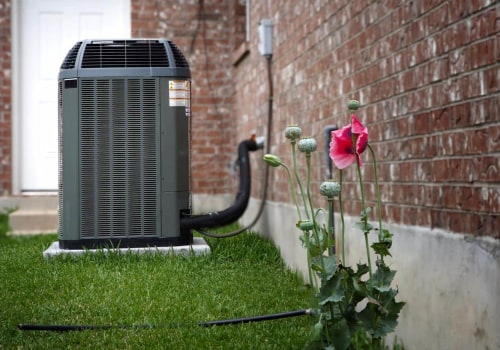
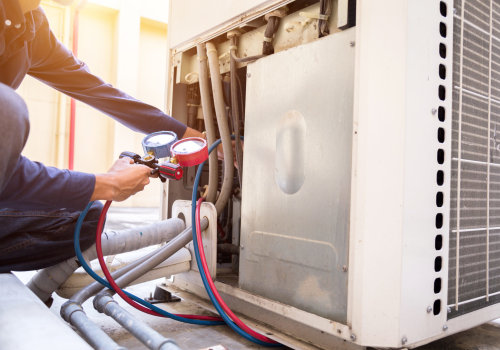
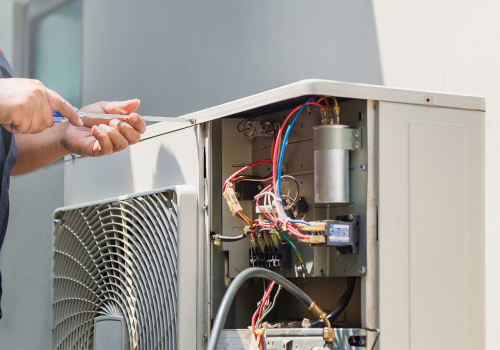
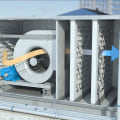
Understanding the intricacies of air conditioning systems is essential for homeowners, especially when it comes to maintenance and repairs. At their core, air conditioners are designed to regulate indoor temperatures by removing heat and humidity from the air. This process not only enhances comfort but also contributes to better air quality within your home. To appreciate the complexities involved in AC replacements and repairs, it’s crucial to delve into how these systems operate and the key components that make them function effectively.Air conditioning systems primarily work through a cycle of evaporation and condensation, utilizing a refrigerant that absorbs and releases heat.
The main components of an air conditioning unit include the compressor, condenser, evaporator coil, and expansion valve. Each part plays a vital role in ensuring that cool air circulates throughout your living space. The compressor acts as the heart of the system, pressurizing the refrigerant and facilitating its movement through the coils. Meanwhile, the condenser releases heat absorbed from inside your home, while the evaporator coil cools the incoming air.Moreover, understanding these components can help homeowners identify potential issues before they escalate into costly repairs.
For instance, if you notice that your air conditioner is not cooling effectively, it could be due to a malfunctioning compressor or a refrigerant leak. Recognizing these signs early can save you time and money in the long run. Additionally, regular maintenance of these components can extend the lifespan of your unit and improve its efficiency.In summary, a solid grasp of how air conditioning systems work and their essential components lays the groundwork for understanding the potential costs associated with repairs and replacements. By familiarizing yourself with these elements, you empower yourself to make informed decisions regarding your home’s cooling system.
Common Air Conditioner Issues and Their Costs
Air conditioners, while essential for maintaining a comfortable indoor environment, can encounter a variety of issues over time.Understanding these common problems, their symptoms, and the associated repair costs can help homeowners make informed decisions and budget accordingly.
1.Refrigerant Leaks
One of the most prevalent issues with air conditioning systems is refrigerant leaks. When refrigerant escapes, the system cannot cool effectively, leading to warm air blowing from the vents. Symptoms of a refrigerant leak include:- Increased energy bills due to inefficient cooling
- Ice buildup on the evaporator coils
- Hissing or bubbling sounds from the unit
2.Faulty Thermostat
A malfunctioning thermostat can lead to inconsistent temperatures and improper cycling of the air conditioner. Homeowners may notice:- The unit not turning on or off at the set temperature
- Inaccurate temperature readings
- Frequent short cycling (turning on and off too quickly)
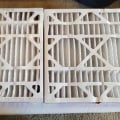
3.Clogged Filters
Dirty or clogged air filters can significantly hinder airflow, causing the system to work harder and potentially leading to overheating.Symptoms include:
- Weak airflow from vents
- Increased energy consumption
- Frequent system shutdowns due to overheating
4.Compressor Issues
The compressor is often considered the heart of an air conditioning system. If it fails, it can be one of the most expensive repairs. Signs of compressor issues include:- Loud noises coming from the unit
- The system not cooling at all
- Unusual vibrations during operation
5.Drainage Problems
A clogged condensate drain line can lead to water damage and mold growth in your home.Symptoms include:
- Water pooling around the indoor unit
- Moldy odors in the air
- Frequent system shutdowns due to overflow protection activation
The Role of the Compressor in AC Functionality
The compressor is often regarded as the heart of an air conditioning system, playing a pivotal role in its overall functionality. This component is responsible for compressing the refrigerant, which is essential for the cooling process. When the refrigerant enters the compressor as a low-pressure gas, it is transformed into a high-pressure gas, allowing it to circulate through the system and absorb heat from your home.Understanding the function of the AC compressor is crucial for homeowners. The compressor not only facilitates the movement of refrigerant but also ensures that the air conditioning system operates efficiently.If the compressor fails, the entire cooling process is disrupted, leading to inadequate cooling and increased energy consumption.
Implications of Compressor Failure
When a compressor malfunctions, it can manifest in several ways. Homeowners may notice:- Inconsistent cooling: Rooms may feel warmer than usual, indicating that the compressor is struggling to circulate refrigerant effectively.
- Unusual noises: Grinding or clanking sounds can signal internal damage within the compressor.
- Increased energy bills: A failing compressor may cause your air conditioning unit to work harder, leading to higher electricity costs.
The Cost of Compressor Replacement
The financial implications of a compressor failure can be significant. The cost of replacing an AC compressor typically ranges from $1,500 to $2,500, depending on various factors such as brand, model, and labor costs.This price tag often includes not just the part itself but also labor and any additional components that may need replacement during the process.Moreover, if your air conditioning unit is older or less common, finding a compatible replacement compressor can further increase costs due to limited availability. In some cases, homeowners may find it more economical to invest in a new air conditioning system rather than replace a failing compressor in an aging unit.In conclusion, understanding the critical role of the compressor in your air conditioning system can help you recognize potential issues early on. Regular maintenance and prompt attention to any signs of failure can save you from costly repairs or replacements down the line.
Factors Influencing Air Conditioner Repair Costs
Understanding the factors affecting AC repair costs is crucial for homeowners who want to manage their budgets effectively. Several elements can significantly influence the overall expense of air conditioner repairs, and being aware of these can help you make informed decisions when issues arise.Age of the Air Conditioning Unit
The age of your air conditioning unit plays a pivotal role in determining repair costs.Generally, older units tend to be more expensive to repair for several reasons:
- Availability of Parts: As air conditioners age, finding replacement parts can become increasingly difficult. Manufacturers may discontinue certain models or parts, leading to higher prices due to scarcity.
- Technological Advancements: Newer models often incorporate advanced technology that makes them more efficient and easier to repair. Older units may lack these features, resulting in more labor-intensive repairs.
- Wear and Tear: Over time, components naturally wear out. An older unit may require multiple repairs, which can add up quickly, making it more cost-effective in some cases to consider a replacement rather than ongoing repairs.
Brand Impact on Repair Costs
The brand of your air conditioning unit can also significantly affect repair costs.Different manufacturers have varying reputations for reliability and service:
- Reputation for Reliability: Some brands are known for their durability and lower failure rates, which can lead to fewer repairs over the lifespan of the unit. Conversely, brands with a reputation for frequent breakdowns may incur higher long-term repair costs.
- Cost of Replacement Parts: Certain brands may have more expensive parts due to their proprietary designs or limited availability. This can lead to higher repair bills when components need replacing.
- Warranty Coverage: Many reputable brands offer extensive warranties that cover specific repairs or replacements. If your unit is still under warranty, you may save significantly on repair costs.
By understanding these factors, homeowners can better prepare for potential expenses and make informed decisions about whether to repair or replace their units.
Signs Your Air Conditioner Needs Repair or Replacement
Recognizing the signs that your air conditioner may need repair or replacement is crucial for maintaining a comfortable home environment and avoiding costly repairs. Here are some key indicators to watch for:- Inconsistent Cooling: If you notice that some rooms in your home are significantly warmer than others, it could indicate a problem with your AC unit. This inconsistency may be due to issues such as blocked ducts, low refrigerant levels, or a failing compressor.
- Unusual Noises: Air conditioners should operate quietly. If you hear strange sounds like grinding, squealing, or banging, it may signal mechanical issues that require immediate attention.
Ignoring these noises can lead to more severe damage and higher repair costs.
- Frequent Cycling: If your air conditioner turns on and off more frequently than usual, it may be struggling to maintain the desired temperature. This could be due to a malfunctioning thermostat, dirty filters, or an oversized unit that is not efficiently cooling your space.
- High Energy Bills: A sudden spike in your energy bills can indicate that your air conditioner is working harder than it should. This inefficiency may stem from various issues, including dirty coils, worn-out components, or an aging system that needs replacement.
- Foul Odors: Unpleasant smells coming from your AC unit can be a sign of mold growth or burnt wiring. Both situations require immediate professional evaluation to prevent health risks and further damage to the system.
- Leaking Refrigerant: If you notice puddles of liquid around your air conditioner, it could indicate a refrigerant leak.
Not only does this affect the cooling efficiency of your unit, but it can also pose environmental hazards and lead to costly repairs if not addressed promptly.
DIY Maintenance vs.
Professional RepairsWhen it comes to maintaining your air conditioning system, homeowners often find themselves at a crossroads: should they tackle maintenance tasks themselves or call in a professional? Understanding the difference between DIY AC maintenance and professional repairs is crucial for ensuring your system runs efficiently and avoiding costly mistakes.
DIY AC Maintenance Tasks
- Changing Air Filters: One of the simplest yet most effective maintenance tasks is regularly changing your air filters. Clogged filters can restrict airflow, making your system work harder and less efficiently. Aim to replace or clean your filters every 1-3 months, depending on usage.
- Cleaning the Outdoor Unit: Keeping the outdoor condenser unit free from debris such as leaves, dirt, and grass clippings is essential. A clean unit can improve efficiency and prolong the life of your air conditioner.
- Checking Thermostat Settings: Ensure that your thermostat is functioning correctly and set to the desired temperature.
Sometimes, recalibrating or replacing batteries can resolve issues without needing professional help.
- Inspecting Ductwork: Look for visible signs of wear or damage in your ductwork. Sealing any leaks can improve efficiency and reduce energy costs.
Benefits of Professional AC Repairs
While DIY maintenance can help keep your system running smoothly, there are certain repairs that should always be left to professionals:
- Complex Electrical Issues: If you notice electrical problems such as tripped breakers or burnt wires, it’s best to call an HVAC technician. These issues can pose serious safety risks if not handled correctly.
- Refrigerant Leaks: Handling refrigerants requires specialized knowledge and equipment. A professional can safely identify and repair leaks, ensuring compliance with environmental regulations.
- Compressor Problems: The compressor is a critical component of your AC system.
If it fails, it often requires expert diagnosis and replacement, which is not a DIY task.
- System Overhauls: If your air conditioning unit is old or has multiple failing components, a professional can assess whether repairs are worth the investment or if a full replacement is more cost-effective.
When to Call an HVAC Technician
If you encounter any of the following signs, it’s time to reach out to a professional:
- Your air conditioner is blowing warm air despite being set to cool.
- You hear unusual noises such as grinding or hissing coming from the unit.
- The system frequently cycles on and off without reaching the desired temperature.
- You notice water pooling around the unit or inside your home.
The Long-Term Costs of Ignoring Repairs
Neglecting necessary repairs on your air conditioning unit can lead to a cascade of long-term financial consequences that many homeowners fail to consider. While it may seem tempting to postpone repairs, especially if the unit is still operational, the reality is that ignoring minor issues can result in significantly higher costs down the line.Immediate vs. Long-Term Costs
Initially, a small repair might only cost a few hundred dollars.
However, if left unaddressed, that same issue could escalate into a major malfunction requiring extensive repairs or even a complete AC replacement. For instance, a simple refrigerant leak can lead to compressor failure if not fixed promptly. The cost of replacing a compressor can exceed $2,000, while the initial repair might have only been a fraction of that price.
Increased Energy Bills
Another significant financial impact of neglecting AC repairs is the increase in energy bills. An air conditioning unit that is not functioning optimally will consume more energy to maintain the desired temperature.
This inefficiency can lead to monthly energy costs rising by 20% or more, depending on the severity of the issue. Over time, these increased costs can add up to thousands of dollars.
Potential for Major Breakdowns
Ignoring minor issues can also lead to major breakdowns that require immediate attention. For example, if your air conditioner is making unusual noises or not cooling effectively, these are signs that something is wrong. Delaying repairs can result in complete system failure during peak summer months when demand for cooling is highest.
This not only leads to emergency repair costs but also leaves you without cooling when you need it most.
Impact on Home Value
Furthermore, neglecting AC maintenance and repairs can affect your home’s resale value. Prospective buyers are often wary of homes with poorly maintained HVAC systems. A well-functioning air conditioning unit is a significant selling point; therefore, failing to keep your system in good condition could deter potential buyers or force you to lower your asking price.
Conclusion
In summary, the long-term costs associated with ignoring necessary air conditioner repairs can be substantial. From increased energy bills and potential major breakdowns to impacts on home value, the financial implications are clear.
Regular maintenance and timely repairs are essential not only for the longevity of your unit but also for protecting your wallet in the long run.
When Is It Time to Replace Your Air Conditioner?
Determining when to replace your air conditioner can be a daunting task for many homeowners. However, understanding the signs that indicate a need for replacement can save you both time and money in the long run. Here are some key factors to consider when evaluating whether it’s time to invest in a new AC unit.Age of the Unit
One of the most significant indicators of whether to replace your air conditioner is its age. Most air conditioning units have a lifespan of about 10 to 15 years.If your system is approaching or has surpassed this age range, it may be more cost-effective to replace it rather than continue investing in repairs. Older units tend to become less efficient, leading to higher energy bills and more frequent breakdowns.
Efficiency and Energy Costs
Another critical factor is the efficiency of your current air conditioning system. If you notice a significant increase in your energy bills, it could be a sign that your unit is no longer operating efficiently. Modern air conditioners are designed with advanced technology that allows them to use less energy while providing better cooling.If your unit has a low SEER (Seasonal Energy Efficiency Ratio) rating, it may be time to consider an upgrade.
Frequent Repairs
If you find yourself calling for repairs multiple times each season, it may be more economical to replace your air conditioner instead of continuing to patch up an aging system. Frequent repairs not only add up financially but also indicate that your unit is struggling to function properly. A good rule of thumb is the 50% rule : if the cost of repairs exceeds 50% of the price of a new unit, replacement is likely the better option.Comfort Issues
Are there hot spots in your home? Is your air conditioner unable to maintain a consistent temperature? These comfort issues can signal that your AC unit is no longer capable of meeting your cooling needs effectively. A new system can provide improved airflow and temperature control, enhancing overall comfort in your living space.Benefits of Replacing Your Old AC Unit
- Improved Energy Efficiency: Newer models are designed to consume less energy, which can lead to significant savings on utility bills.
- Enhanced Comfort: Modern systems offer better humidity control and more consistent temperatures throughout your home.
- Reduced Repair Costs: Investing in a new unit means fewer repair costs and less downtime during peak cooling seasons.
- Environmental Impact: Newer units often use eco-friendly refrigerants and have lower carbon footprints.
By considering factors such as age, efficiency, repair history, and comfort levels, you can determine whether investing in a new air conditioner is the right choice for you.
Choosing the Right Replacement Unit: What to Consider
When the time comes to replace your air conditioning unit, making an informed decision is crucial. The right choice can significantly impact your home’s comfort, energy bills, and overall efficiency. Here are some key factors to consider when selecting a new AC unit.Energy Efficiency Ratings
One of the most important aspects to evaluate is the energy efficiency of the new air conditioning unit. Look for units with a high Seasonal Energy Efficiency Ratio (SEER) rating.The SEER rating measures the cooling output during a typical cooling-season divided by the total electric energy input during the same period. A higher SEER rating indicates better energy efficiency, which can lead to lower utility bills.
- SEER Ratings: Modern units typically have SEER ratings ranging from 13 to 25. Aim for a unit with a rating of at least 16 for optimal efficiency.
- Energy Star Certification: Look for units that are Energy Star certified, as they meet strict energy efficiency guidelines set by the U. S. Environmental Protection Agency.
Size Considerations
The size of your new air conditioning unit is another critical factor.An improperly sized unit can lead to inefficiencies and discomfort:
- Too Small: A unit that is too small will struggle to cool your home, leading to increased wear and tear and higher energy costs.
- Too Large: Conversely, an oversized unit will cool your home too quickly without adequately dehumidifying the air, resulting in a clammy environment.
Brand Reliability
The brand of your new air conditioning unit can also influence its performance and longevity. Research reputable brands known for their reliability and customer service. Some well-regarded brands include:- Trane
- Lennox
- Carrier
- Rheem
By taking these factors into account, you can ensure that your new AC unit meets your needs while providing comfort and efficiency for years to come.
Conclusion: Making Informed Decisions About Air Conditioner Repairs and Replacements
In conclusion, navigating the complexities of air conditioner repairs and replacements requires a well-informed approach. As we have explored throughout this article, understanding the intricacies of your air conditioning system can significantly impact your decision-making process. From recognizing the signs that indicate a need for repair to evaluating the cost implications of various components, knowledge is your best ally.One of the most critical takeaways is the importance of timely intervention. Ignoring early warning signs such as warm air blowing from vents or unusual noises can lead to more severe issues, ultimately resulting in costly repairs or even necessitating a complete AC replacement.Regular maintenance and prompt attention to potential problems can extend the lifespan of your unit and enhance its efficiency.Moreover, understanding the financial aspects of repairs versus replacements is essential. While repairs may seem less expensive in the short term, they can accumulate over time, especially if major components like the compressor fail. In contrast, investing in a new unit may offer long-term savings through improved energy efficiency and reduced repair costs.When considering whether to repair or replace your air conditioner, it’s vital to assess factors such as:
- Age of the Unit: Older units often require more frequent repairs.
- Energy Efficiency: Newer models typically consume less energy, leading to lower utility bills.
- Repair Costs: If repair costs exceed 50% of a new unit's price, replacement may be more economical.
- Comfort Needs: Evaluate whether your current system meets your cooling requirements effectively.
By prioritizing knowledge and proactive maintenance, you can ensure that your home remains a comfortable sanctuary during those sweltering summer months.